Cheapest Cities to Live in Europe in 2026: 15 Affordable Places Ranked by Monthly Cost

We compared 15 of Europe’s cheapest cities by monthly budget, rent and visa options, so you can find an affordable place to live that fits your plans.

Europe has a reputation for being expensive, and in London, Paris or Amsterdam it is. But a one-bedroom apartment in a Balkan capital still costs €300–€500 a month, and many cities in Eastern and Southern Europe let one person live comfortably for under €1,200.

We get asked about affordable places to live in Europe more than almost any other topic, so we built this guide around real 2026 numbers. For each city, you will see a monthly budget, typical rent, the visa situation and who the city suits best.

Where Is the Cheapest Place to Live in Europe? (Quick Answer)

Skopje, North Macedonia is the cheapest city to live in Europe in 2026. One person can live comfortably there on about €600–€900 a month, with a central one-bedroom apartment at €300–€450. Tirana and Sarajevo follow at about €700–€1,000.

Inside the EU, the cheapest cities are Plovdiv and Sofia in Bulgaria (€700–€1,100 a month). In Western Europe, Porto and Braga in Portugal and Granada in Spain offer the best value.

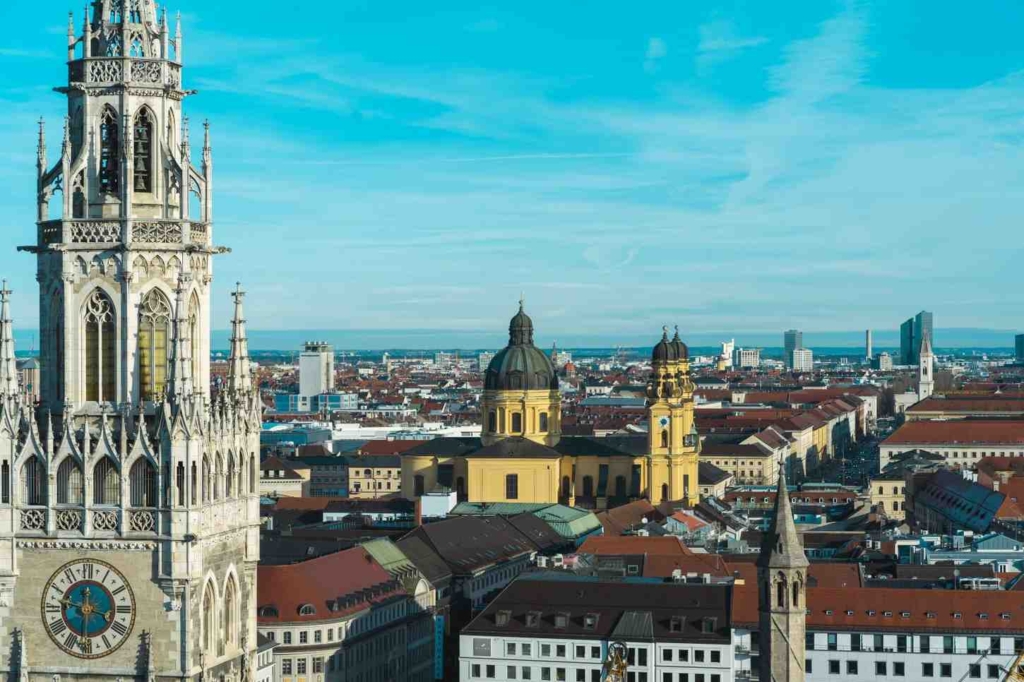
historic european city skyline for cheapest cities to live in in europe

Cheapest Cities in Europe to Live: 2026 Cost Comparison Table

The table ranks the 15 cities by monthly budget for one person. Where a country has a cheaper second city, we list both.

RankCityMonthly budget (one person)1-bed rent, city centerEU / SchengenBest for
1Skopje, North Macedonia€600–€900€300–€450No / NoLowest possible budget
2Tirana, Albania€700–€1,000€350–€500No / NoAmericans, coast lovers
3Sarajevo, Bosnia and Herzegovina€700–€1,000€350–€500No / NoCulture on a budget
4Plovdiv and Sofia, Bulgaria€700–€1,100€350–€650Yes / YesCheapest EU base
5Chișinău, Moldova€750–€1,100€335–€500No / NoRemote workers
6Novi Sad and Belgrade, Serbia€800–€1,400€400–€700No / NoCity life per euro
7Podgorica, Montenegro€850–€1,300€400–€600No / NoAdriatic coast nearby
8Cluj-Napoca and Bucharest, Romania€850–€1,400€450–€750Yes / YesFast internet, tech jobs
9Debrecen and Budapest, Hungary€900–€1,600€400–€800Yes / YesExpat community
10Granada and Valencia, Spain€1,000–€1,600€450–€1,100Yes / YesSun, Spanish lifestyle
11Vilnius, Lithuania€1,100–€1,500€600–€800Yes / YesTech workers
12Kraków, Poland€1,100–€1,700€600–€900Yes / YesStudents, nomads
13Thessaloniki and Athens, Greece€1,100–€1,700€600–€900Yes / YesMediterranean retirees
14Palermo and Bari, Italy€1,100–€1,500€500–€850Yes / YesItalian life for less
15Porto and Braga, Portugal€1,400–€2,000€750–€1,200Yes / YesEnglish speakers, retirees

Rent outside the city center is usually 20–40% lower, so you can often live below these ranges.

How We Ranked Europe’s Most Affordable Cities

We ranked each city by the total monthly cost for one person living alone in a one-bedroom apartment. That budget covers rent, groceries, utilities, local transport and some meals out. We did not rank by tourist prices, because a cheap weekend break and a cheap place to live are not the same thing.

Our figures come from 2026 cost-of-living data and local rental listings. We also looked at the things that decide whether a cheap city works in practice: visa rules, healthcare, internet speed and how easy daily life is in English.

15 Cheapest Cities to Live in Europe

1. Skopje, North Macedonia

Skopje is the cheapest capital in Europe. A central one-bedroom apartment costs about €300–€450 a month, and a sit-down meal is €3–€6. Lake Ohrid, a few hours away, is one of the prettiest small towns in the Balkans.

Monthly budget: €600–€900

Visa: Most Western passports get 90 days visa-free. There is no digital nomad visa yet.

Best for: People on the tightest budget who want a calm, slow pace.

Watch out for: The expat community is small, and you will need private health insurance.

2. Tirana, Albania

Tirana has changed fast. It now has a lively café scene, coworking spaces and a growing expat community, and a central one-bedroom still costs €350–€500. The Albanian Riviera, with towns like Sarandë and Vlorë, is only a few hours away.

Monthly budget: €700–€1,000

Visa: US citizens can stay up to one year without a visa. Most other Western passports get 90 days, and remote workers can apply for Albania’s Unique Permit.

Best for: Americans, digital nomads and anyone who wants a cheap base near the sea.

Watch out for: Coastal rents jump in July and August, and services outside Tirana are still developing.

3. Sarajevo, Bosnia and Herzegovina

Sarajevo mixes Ottoman and Austro-Hungarian history with very low living costs. Central one-bedrooms cost about €350–€500, and the food scene is excellent for the price.

Monthly budget: €700–€1,000

Visa: 90 days visa-free for most Western passports.

Best for: Writers, slow travelers and anyone who wants a cheap city with real character.

Watch out for: Paperwork can be complex, and private health insurance is essential.

4. Plovdiv and Sofia, Bulgaria

Bulgaria is the cheapest country to live in the EU. Plovdiv is the better deal, with central one-bedrooms at €350–€500, while Sofia runs €450–€650. Bulgaria joined the Schengen area in 2025 and switched to the euro on January 1, 2026.

Monthly budget: €700–€950 in Plovdiv, €800–€1,100 in Sofia

Visa: EU citizens can move freely. Non-EU citizens need a residence permit to stay past 90 days.

Best for: EU citizens and retirees who want the lowest costs inside the EU.

Watch out for: Bureaucracy is slow, and Sofia winters are cold.

Browse property for sale in Bulgaria

5. Chișinău, Moldova

Chișinău is one of Europe’s least-known bargains. A one-bedroom averages about €335 a month, with central apartments at €400–€500. The city has dozens of coworking spaces and broadband averaging around 120 Mbps.

Monthly budget: €750–€1,100

Visa: EU, US and UK citizens get 90 days visa-free in any 180-day period.

Best for: Remote workers who want very low costs and fast internet.

Watch out for: Fewer international services than in EU cities, and little English outside the center.

6. Novi Sad and Belgrade, Serbia

Belgrade gives you big-city energy, great nightlife and a strong remote-work scene at €450–€700 for a central one-bedroom. Novi Sad is more relaxed and costs about €100–€150 less a month.

Monthly budget: €800–€1,200 in Novi Sad, €900–€1,400 in Belgrade

Visa: Many Western passports get 90 days visa-free. Serbia is outside Schengen, so days here do not count toward your Schengen limit.

Best for: Young professionals and nomads who want real city life for less.

Watch out for: Residence rules vary a lot by passport, and private health insurance is needed.

7. Podgorica, Montenegro

Montenegro’s Adriatic coast rivals Croatia’s at much lower prices. Podgorica, the capital, has one-bedrooms at €400–€600. Coastal towns like Bar and Ulcinj stay affordable all year, while Kotor and Budva cost more. Montenegro uses the euro.

Monthly budget: €850–€1,300

Visa: 90 days visa-free for many Western passports.

Best for: Retirees and coast lovers who want Mediterranean living for less.

Watch out for: Coastal prices climb in summer, and internet can be patchy outside the main towns.

Browse property for sale in Montenegro

8. Cluj-Napoca and Bucharest, Romania

Romania combines low costs with some of the fastest internet in Europe, often 200 Mbps or more. Cluj-Napoca is a tech hub with one-bedrooms at €450–€650. Bucharest is livelier but pricier, at €500–€750.

Monthly budget: €850–€1,200 in Cluj, €900–€1,400 in Bucharest

Visa: EU citizens move freely. Romania’s digital nomad visa needs an income of about €3,300 a month.

Best for: Remote workers and tech professionals.

Watch out for: Heating bills rise sharply in winter.

9. Debrecen and Budapest, Hungary

Budapest has a large English-speaking expat community, thermal baths and great transport links, with central one-bedrooms at €500–€800. Debrecen, Hungary’s second city, drops rent to €400–€600.

Monthly budget: €900–€1,300 in Debrecen, €1,000–€1,600 in Budapest

Visa: EU citizens move freely. Non-EU remote workers can apply for Hungary’s digital nomad permit, the White Card.

Best for: Expats and retirees who want an EU capital with culture.

Watch out for: Rents in central Budapest have been rising quickly.

10. Granada and Valencia, Spain

Granada is one of the cheapest cities in Western Europe, with one-bedrooms from about €350–€600 and the Alhambra on your doorstep. Valencia costs more, at €800–€1,100 for a one-bedroom, but gives you beaches and big-city life for much less than Madrid or Barcelona.

Monthly budget: €1,000–€1,400 in Granada, €1,400 or more in Valencia

Visa: EU citizens move freely. Spain’s digital nomad visa needs about €2,850 a month in income in 2026.

Best for: People who want sun and Spanish culture on a modest budget.

Watch out for: Agency fees and deposits can add one to three months’ rent at the start.

Browse property for sale in Spain

11. Vilnius, Lithuania

Vilnius is the best-value capital in Northern Europe. A one-bedroom averages about €600 a month, and central flats cost €650–€800. Internet speeds average around 200 Mbps, and English is widely spoken in the tech scene.

Monthly budget: €1,100–€1,500

Visa: EU citizens move freely. Non-EU citizens need a national visa or residence permit for longer stays.

Best for: Tech workers and young professionals.

Watch out for: Long, dark winters.

12. Kraków, Poland

Kraków is walkable, historic and well connected, with central one-bedrooms at €600–€900. It is no longer ‘cheap Eastern Europe,’ but it still costs far less than Western Europe and has better infrastructure than most Balkan cities.

Monthly budget: €1,100–€1,700

Visa: EU citizens move freely. Non-EU citizens use standard residence routes.

Best for: Students, digital nomads and professionals who need strong infrastructure.

Watch out for: Prime districts are no longer budget-friendly, and winters are harsh.

13. Thessaloniki and Athens, Greece

Thessaloniki gives you Mediterranean life and EU healthcare for about €1,100–€1,600 a month, often for less than Athens. In Athens, central one-bedrooms cost €600–€900.

Monthly budget: €1,100–€1,600 in Thessaloniki, €1,100–€1,700 in Athens

Visa: EU citizens move freely. Greece’s digital nomad visa needs about €3,500 a month in income.

Best for: Retirees and anyone who wants sun, sea and EU membership.

Watch out for: Islands and central Athens are much more expensive.

Browse property for sale in Greece

14. Palermo and Bari, Italy

Southern Italy is the cheapest way to live in Italy. One-bedrooms in Palermo cost about €500–€700, and one person needs roughly €1,025 a month in total. Bari is a little pricier, with central one-bedrooms averaging about €830.

Monthly budget: €1,100–€1,500

Visa: EU citizens move freely. Non-EU citizens can use Italy’s elective residence or digital nomad visas.

Best for: People who want Italian food, culture and coastline for less than Rome or Milan.

Watch out for: Fewer jobs, slower bureaucracy and more limited English.

15. Porto and Braga, Portugal

Lisbon is no longer cheap, but Porto still offers Western European living at a fair price, with one-bedrooms at €750–€1,200. Braga and Coimbra are cheaper again.

Monthly budget: €1,400–€2,000 in Porto, less in Braga

Visa: EU citizens move freely. Portugal’s digital nomad visa needs about €3,480 a month in income.

Best for: English speakers and retirees who want an easy move.

Watch out for: The rental market is competitive, and Lisbon and the Algarve are much pricier.

Browse property for sale in Portugal

Cheapest Places to Live in Europe by Region

Cheapest Cities in Eastern Europe and the Balkans

The Balkans are the cheapest part of Europe. Skopje, Tirana, Sarajevo, Novi Sad and Podgorica all let one person live well on about €1,000 a month or less. Chișinău in Moldova belongs in the same group. None of these cities are in the EU, so you trade some convenience for much lower costs.

Cheapest Cities in the EU

If you want EU membership, Bulgaria and Romania are the cheapest options. Plovdiv, Sofia and Cluj-Napoca all come in around €700–€1,200 a month. Hungary’s Debrecen and Lithuania’s Vilnius are next, followed by Kraków in Poland.

Affordable Places to Live in Western and Southern Europe

Western Europe is never truly cheap, but some cities are affordable by its standards. Granada, Porto, Braga, Thessaloniki, Palermo and Bari all let one person live for about €1,000–€2,000 a month, which is far below Lisbon, Madrid, Rome or Paris. Smaller towns in these countries cost less again.

Cheapest Countries to Live in Europe

If you are choosing a country rather than a city, here is how they rank by typical monthly budget for one person:

  1. North Macedonia: €600–€1,000
  2. Albania: €700–€1,200
  3. Bosnia and Herzegovina: €700–€1,100
  4. Moldova: €750–€1,100
  5. Bulgaria: €800–€1,100 (cheapest in the EU)
  6. Montenegro: €850–€1,300
  7. Serbia: €900–€1,400
  8. Romania: €900–€1,400
  9. Hungary: €1,000–€1,600
  10. Poland and Greece: €1,100–€1,700

Portugal, Spain and southern Italy are the most affordable countries in Western Europe, but expect to spend at least €1,000–€1,400 a month even outside their capitals.

Thinking about buying rather than renting? See our guide to the cheapest country to buy a house.

Best Cheap Places in Europe For…

Retirees

For retirees, we usually suggest Porto or Braga for an easy, English-friendly life with good healthcare, Plovdiv or Sofia for the lowest costs inside the EU, and Thessaloniki for sun and sea at a fair price. Montenegro’s coast is a cheaper option outside the EU.

Digital Nomads and Remote Workers

Cluj-Napoca and Bucharest offer some of the fastest internet in Europe, and Chișinău combines fast broadband with very low rent. Belgrade and Tirana are popular because they sit outside Schengen, so time there does not use up your 90 Schengen days.

Students

Kraków, Sofia and Granada are classic student cities, with large universities, cheap shared flats and plenty to do. A room in a shared flat in Granada costs about €300–€400 a month.

Families

Families usually want space, safety and good schools. Debrecen, Plovdiv, Novi Sad and Braga are calmer and cheaper than their capitals, with family-size apartments well below Western European prices.

How Much Do You Need to Live in Europe Each Month?

Here is what one person can expect at three budget levels, including rent:

  • Under €1,000 a month: Comfortable in Skopje, Sarajevo, Tirana, Plovdiv and Chișinău. Tight but possible in Sofia and Novi Sad.
  • €1,000–€1,500 a month: Comfortable in Belgrade, Bucharest, Cluj-Napoca, Podgorica, Debrecen and Granada. Possible in Budapest, Vilnius, Palermo and Thessaloniki if you live outside the center.
  • €1,500–€2,000 a month: Comfortable almost anywhere on this list, including Kraków, Athens, Valencia and Porto.

In Western capitals like Lisbon, Madrid or Rome, €2,000 a month is a realistic minimum for one person living alone.

Also budget for one-off moving costs. Deposits, agency fees, furniture and a few weeks of short-term housing can easily add €1,000–€2,500 before you are settled.

Visas: How to Live in Europe’s Cheapest Cities Legally

If you hold an EU passport, you can live in any EU country without a visa. For everyone else, visas decide where you can actually stay long term.

The Schengen 90/180 Rule

Most non-EU visitors can spend 90 days in any 180-day period across the whole Schengen area combined, not 90 days per country. Bulgaria and Romania became full Schengen members in 2025, so time spent there now counts toward that limit.

The Balkan cities on this list are outside Schengen. Days in Albania, North Macedonia, Bosnia, Serbia, Montenegro and Moldova do not count toward your Schengen 90, which is why many long-stay visitors split their year between the two.

Digital Nomad and Long-Stay Options

CountryMain long-stay optionIncome needed (approx.)
SpainDigital nomad visa€2,850 a month
RomaniaDigital nomad visa€3,300 a month
PortugalDigital nomad visa€3,480 a month
GreeceDigital nomad visa€3,500 a month
AlbaniaUnique Permit for remote workersAbout €9,800 a year
HungaryWhite Card for remote workersCheck current rules

US citizens have a special advantage in Albania: they can stay up to one year without a visa.

Retirees with a steady pension can also look at retirement or passive-income visas, such as Portugal’s D7 and Spain’s non-lucrative visa. Rules and income limits change often, so always confirm them with the embassy before you plan your move. You can read more in our guide to visas and residency abroad.

Renting vs Buying in Europe’s Cheapest Cities

We always suggest renting for at least six months before you buy. It lets you test the neighborhood, the winters and the daily routine before you commit.

Buying makes sense when you plan to stay for years, or want a home you can rent out when you are away. In many of the cities above, prices are still low enough that rent you would have paid over a few years can cover a large part of a purchase.

Rules for foreign buyers differ by country. Most EU countries treat foreign buyers like locals, while some non-EU countries limit land ownership. Our guide to the cheapest country to buy a house compares prices and ownership rules side by side, and our property buying tips cover the steps.

Pros and Cons of Living in Europe’s Cheapest Cities

Pros

  • Your money goes roughly twice as far as in Western Europe.
  • Rich history, good food and a slower pace of life.
  • Internet in many Eastern European cities is faster than in the West.
  • Easy, cheap travel to the rest of Europe.

Cons

  • Local salaries are low, so these cities work best if you earn remotely or have a pension.
  • Outside the EU, you will need private health insurance, often about €50–€100 a month.
  • Bureaucracy can be slow, and paperwork is often only in the local language.
  • Winters in inland cities are cold, and heating can add €80–€200 a month.

Tips to Live Cheaply in Europe

  • Live just outside the center. Rent drops by 20–40% a few tram stops out.
  • Sign a long lease. Monthly rent on a 12-month lease is far cheaper than short-term rentals.
  • Shop at local markets. Fresh produce at markets usually costs less than supermarkets.
  • Use public transport. Monthly passes in most of these cities cost €20–€55.
  • Watch the 183-day rule. Staying more than about six months a year in one country can make you a tax resident there.

Frequently Asked Questions

Where is the cheapest place to live in Europe?

North Macedonia is the cheapest country to live in Europe, and its capital, Skopje, is the cheapest city. One person can live comfortably there on about €600–€900 a month, including rent.

What is the cheapest city in Europe to live in?

Skopje is the cheapest city in Europe to live in for 2026, followed closely by Tirana and Sarajevo. All three have central one-bedroom apartments for around €300–€500 a month.

What is the cheapest EU country to live in?

Bulgaria is the cheapest EU country to live in. Plovdiv and Sofia let one person live on about €700–€1,100 a month, and Bulgaria now uses the euro and is part of Schengen.

Can I live in Europe on $1,000 a month?

Yes. On about $1,000 a month you can live in Skopje, Sarajevo, Tirana, Chișinău or Plovdiv, as long as you rent outside the most expensive areas. It is not realistic in Western Europe.

What is the cheapest place to live in Western Europe?

Portugal and Spain are the cheapest Western European countries. Granada, Porto and Braga are among the most affordable cities, at roughly €1,000–€2,000 a month for one person.

Which cheap European cities are best for English speakers?

Porto, Budapest, Bucharest, Kraków and Belgrade all have large English-speaking communities. English is also common among younger people in Tirana and Skopje.

Find Your Affordable Home in Europe

The cheapest city in Europe is the one that fits your budget, your visa options and the way you want to live. Start with the cost table above, shortlist two or three cities, and spend a few months there before you decide.

When you are ready to look at homes, browse our international property listings or contact our team, and we will help you find the right place.

About International Property Alerts


International Property Alerts is a premier global platform connecting real estate investors with handpicked opportunities in emerging and lifestyle-driven markets. Through curated listings, expert guidance, and market insights, we help buyers make confident property decisions worldwide.

Media Contact:

rentals in the Philippines

Phone: +4477 1923 8132
📱 WhatsApp: +63927 073 9530
Email:
office@internationalpropertyalerts.com

Related Post

Discover Prime Global Opportunities

Elle Resort & Beach Club – Your Prime Beachfront Investment

Elle Resort & Beach Club offers a rare chance to own property in one of the most desirable coastal locations. With limited units, strong capital growth potential, and unmatched resort facilities, this is your opportunity to secure a beachfront lifestyle with long-term value.

Smarter Property Investments Start Here

Thinking about buying property abroad? Don’t make the move without the right knowledge. Our Free Buyers Guide gives you essential insights on legal steps, taxes, financing, and the best markets worldwide. Trusted by international buyers and investors.

Your Perfect Home Awaits at Sudara Residences

Wake up to bright, spacious living with stunning views and modern comforts. Whether for family living, retirement, or a stylish retreat, Sudara Residences makes your dream home a reality

Own a Piece of Cambodia’s Thriving Property Market

Discover curated property listings with IPS—residential, commercial, villas, land—and get expert guidance through every step.
BONUS: FREE Cambodia Buyer’s Guide

Grow Your Business - Advertise in a Prime Spot

High visibility. Targeted audience. Maximum exposure. Rent this space and let your brand shine.

Got Properties to Sell?

Get your properties in front of high-intent investors. Showcase your listings to buyers worldwide.

Exchange Without Borders

From pounds to pesos, yen to dollars. ⚡ Quick. Easy. Secure.

Share Article To:

Facebook
WhatsApp

Compare listings

Compare