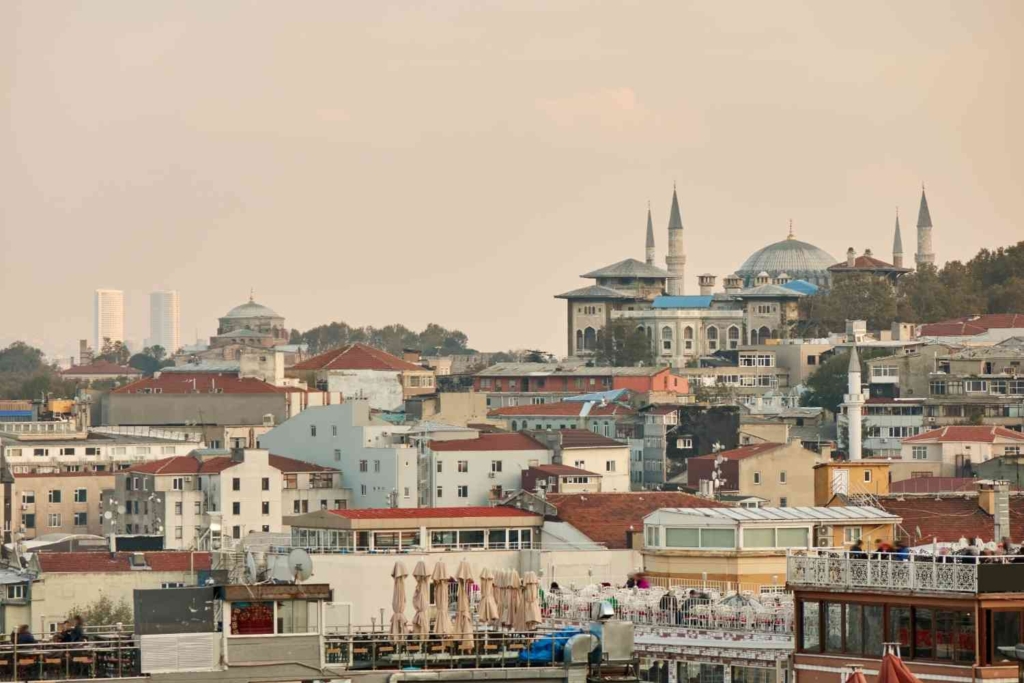
Discover the best destinations, property tips, and lifestyle insights from around the world.
GET YOUR FREE MAGAZINE HERE!


When people search for the cheapest country to buy a house, they want to find where homes cost the least money. In simple terms, cheapest means the lowest price per square meter. However, prices are not the same everywhere. For example, big cities usually cost more, while small towns and rural areas cost less. Because of this, you can still find houses under $100,000 in some parts of the world.
So, this guide compares countries in a clear and simple way. First, it shows where foreigners can legally buy homes. Then, it explains how much they may need to pay. In addition, we look at real prices from international real estate listings. As a result, you can easily see which country gives you the best value.
Many people want a simple list before buying property abroad. So here are five low-cost countries with good homes and strong value.
Turkey is often named as the cheapest country to buy a house in 2026. In many cities, small apartments cost under $100,000. In smaller towns, prices can be even lower. Antalya has beach homes at lower prices than many parts of Europe. Istanbul costs more, but it also has high demand and strong rent income.
Many owners earn money from short stays and long-term renters. In some cases, large property buyers may qualify for citizenship. So Turkey is good for investors and expats who want warm weather and modern life. For many people, it feels like one of the best countries to live in while also growing savings.
Bulgaria is also an option for the cheapest country to buy a house in Europe. It is part of the European Union, which makes it more secure for many buyers. Homes near ski resorts and along the Black Sea coast can still be very cheap. In some areas, the price per square meter is among the lowest in Europe.
The legal steps are also clear and simple. Because of this, many foreign buyers feel safe buying here. If you want a European home at a lower price, Bulgaria is a strong option.
Mexico is popular with buyers from the United States. In rural areas, houses can start at $40,000 or more. Places like Oaxaca and Michoacán offer lower prices outside big tourist zones. Near the coast, foreigners often buy through a bank trust called a fideicomiso.
This system helps protect the buyer’s rights. Flights from the US are short, and the culture feels familiar. So Mexico makes buying property abroad feel easier for many people.
Colombia offers strong values and modern living. Medellín is famous for its nice weather and city life. The US dollar often goes far here, so buyers get more space for their money. Rental demand is also strong because tourists and remote workers need homes.
Daily costs are low, and the lifestyle is relaxed. Because of this, Colombia is growing fast and is seen as one of the best countries to live in for people who want good value.
Ecuador is small, but it is very affordable. Coastal towns have beach homes at low prices. Loja is known for calm living and cheap property. The cost of food, transport, and services is also low.
Many retirees choose Ecuador to save money and enjoy a quiet life. If you are searching for the cheapest country to buy a house with low daily costs, Ecuador is worth a close look.
Many people think the lowest price means the best deal. However, the cheapest country to buy a house depends on more than just one number. You need to look at many small details. So here are the main things that matter.
First, look at the price per square meter. This tells you how much space you get for your money. In big cities, the price is often high. In small towns, it is usually lower. So even in the same country, prices can change a lot.
If you are searching for the cheapest country to buy a house, always compare the cost per square meter, not just the total home price.
Next, check the exchange rate. If your money is strong in another country, you can buy more with less. For example, if the US dollar is strong, American buyers may get bigger homes for the same budget.
Because of this, the exchange rate can make one country cheaper than another. This is an important part of understanding the real estate market in different regions.
Then, learn about the rules for foreign buyers. Some countries allow foreigners to buy homes easily. Others have limits or special steps. Clear laws make the process safer and simpler.
If the rules are easy to follow, the country may feel like the right choice for the cheapest country to buy a house, because you avoid extra costs and problems.
Property taxes also matter. Some countries have very low yearly taxes. Others charge more each year. Even if the home price is low, high taxes can add up over time.
So always check how much you must pay each year after you buy.
The cost of living is also important. Food, transport, and services may be cheap in one country and expensive in another. A low home price is helpful, but daily life costs matter too.
When you compare both property price and living cost, you get a clearer picture of real value.
Finally, think about rental income. In some places, tourists and workers often rent homes. This means you can earn money from your property. High rental demand can make a country a smart choice.
So when choosing the cheapest country to buy a house, look at both low prices and income potential. That way, you make a smart and safe decision.
Many buyers want a cheap home in Europe. So let us compare a few low-cost options side by side.
Bulgaria is often seen as the cheapest country to buy a house in the European Union. Home prices in small towns and rural areas can be very low. In some places, you can still find houses under $70,000. Even in coastal or ski areas, prices are lower than in many Western European countries.
Bulgaria is part of the EU, which gives buyers more confidence. The legal process is simple, and property taxes are usually low. Because of this, many experts in the real estate industry say Bulgaria offers strong value for buyers who want Europe at a lower price.
Turkey is partly in Europe and partly in Asia, so it has a Eurasian advantage. It is not in the European Union, but it is still close to Europe. Many buyers see it as the cheapest country to buy a house near Europe, with warm weather and beach cities.
In places like Antalya, you can find modern apartments under $100,000. Istanbul costs more, but it has strong rental demand. Turkey also offers a citizenship-by-investment program for higher-level buyers. So for investors who want both price and income potential, Turkey can be very attractive.
Spain and Portugal are more expensive than Bulgaria or Turkey. However, rural areas in both countries can still offer lower prices. In small villages, homes may cost much less than in big cities like Madrid or Lisbon.
These countries have strong tourism and stable markets. The real estate industry there is well developed, which gives buyers more security. While they may not always be the cheapest countries to buy a house in Europe, rural Spain or Portugal can still offer fair prices with strong lifestyle benefits.
When comparing these countries, think about your goal. If you want the lowest price inside the EU, Bulgaria stands out. If you want beach living and strong rental demand, Turkey is a good choice. However, if you prefer a stable Western European market, rural Spain or Portugal may suit you better.
Many people dream of owning a home in another country. However, price alone does not decide if it is a good deal. Before you choose the cheapest country to buy a house, you must look at a few important things.
First, think about rental income. If many tourists or workers visit the area, you may earn money by renting your home. This can help pay for taxes, repairs, and other costs.
For example, a beach apartment in a popular city may bring steady monthly rent. So, when choosing the cheapest country to buy a house, check if people actually want to rent there.
Next, think about growth. Capital appreciation means the home may increase in value over time. If the area is growing, adding roads, shops, and jobs, property prices may rise.
This is one of the key things to consider when moving abroad. A cheap house is good, but a home that grows in value is even better.
Then, look at political stability. A stable country usually has clear laws and fewer sudden changes. This helps protect your property rights.
If a country has frequent problems or rule changes, property values may fall. So safety and stability matter just as much as low prices.
Currency risk is also important. If your money is strong, you can buy more. But if the local currency changes a lot, your property value in your home currency may go up or down.
Because of this, even the cheapest country to buy a house can carry risk if the exchange rate moves sharply.
Finally, think about your exit plan. Ask yourself how easy it will be to sell later. Is there demand from other buyers? Are sales simple and legal?
A smart investor always plans ahead. So before you buy, decide how and when you might sell. That way, you make a safer and smarter choice.
Low prices can look exciting at first. However, cheap does not always mean safe or simple. Before choosing the cheapest country to buy a house, you must understand the possible risks.
Some countries have rules that are hard to understand. The buying steps may include many papers, permits, or approvals. If you do not follow each step correctly, you could face delays or even lose money.
Because of this, it is smart to get proper legal advice for buying a property. A local lawyer can explain the rules in simple terms and help protect you.
In some countries, foreigners cannot own land directly. Instead, they must use a trust or company structure. This means the property is held in a special legal setup.
For example, near certain coastlines, buyers may need a bank trust. If you are looking at the cheapest country to buy a house deal, always check if a trust system is required and how it works.
Some governments limit where or what foreigners can buy. There may be size limits, location rules, or approval processes. These restrictions can slow down your purchase.
So before you decide, ask if foreigners have full rights to own, sell, or rent the property.
Title problems are serious. A title shows who truly owns the property. In some cheaper markets, records may not be clear or updated.
If the title is not clean, you may face disputes later. This is why checking ownership history is one of the most important steps when reviewing the cheapest country to buy a house.
Currency changes can also affect your investment. If the local currency drops, your property value may change when converted back to your home currency.
While this can sometimes help you buy cheaper, it can also reduce your profit later. So always think about exchange rate risk before you buy.
In the end, low prices can offer great opportunities. Still, smart buyers look at the risks first. When you understand the legal system, ownership rules, and currency risks, you can make a safer and wiser decision.
Choosing a cheap country is not only about price. You must match the country with your personal goals and future plans.
If you want to stop working and relax, look for safe places with low living costs and good healthcare. Warm weather, friendly people, and simple visa rules also matter.
Many retirees search for the cheapest country to buy a house so their savings last longer. However, you should also think about how to start a new life in a new country. Daily comfort is just as important as price.
If your goal is to earn money, choose a country with strong tourism or many workers who rent homes. Busy cities and beach areas often have higher rental demand.
When comparing the cheapest country to buy a house, check how easy it is to rent out your property. A low price is good, but a steady income makes it even better.
Some countries offer citizenship or residency if you invest enough money. This can give you a second passport or long-term visa rights.
In this case, the cheapest country to buy a house may not always be the best. You should compare the minimum investment amount, the waiting time, and the long-term benefits.
If you only plan to visit a few times a year, choose a place with easy flights and simple ownership rules. You may also want a property management service to care for the home while you are away.
A vacation home should be fun and stress-free. So pick a country where travel and maintenance are easy.
If your goal is long-term profit, look for countries with growing cities, new roads, and strong job markets. Property values often rise in places that are developing fast.
Research local trends and talk to experts before you buy. Growth takes time, but the right choice can reward you in the future.
In the end, the right country depends on your goal. First, decide what you want. Then choose the country that fits your dream and your budget.
Buying a home in another country can be exciting, but you must look at more than just the price. The cheapest country to buy a house should match your goal. Some people want retirement. Others want rental income or long-term growth. So first, decide what you want. Then compare prices, rules, safety, and living costs before you choose.
Also, remember that planning is very important. Learn the laws, check the title, and study the market. If you feel unsure, contact us for simple guidance and clear next steps. The right support can help you choose wisely and avoid mistakes.
The cheapest country to buy a house depends on location and property type. Countries like Turkey, Bulgaria, and parts of Latin America often offer very low prices.
Yes, many countries allow foreigners to buy property. However, some places have rules, limits, or trust systems you must follow.
It can be a good investment if the area has rental demand and growth potential. You should also check political stability and local laws first.
Yes, in some rural areas and smaller cities, homes under $100,000 are still available. Prices depend on the country and region.
You should review ownership laws, title records, taxes, and currency risks. It is also smart to seek legal advice before making a final decision.
About International Property Alerts
International Property Alerts is a premier global platform connecting real estate investors with handpicked opportunities in emerging and lifestyle-driven markets. Through curated listings, expert guidance, and market insights, we help buyers make confident property decisions worldwide.
Media Contact:

Phone: +4477 1923 8132
📱 WhatsApp: +63927 073 9530
Email: office@internationalpropertyalerts.com

Elle Resort & Beach Club offers a rare chance to own property in one of the most desirable coastal locations. With limited units, strong capital growth potential, and unmatched resort facilities, this is your opportunity to secure a beachfront lifestyle with long-term value.
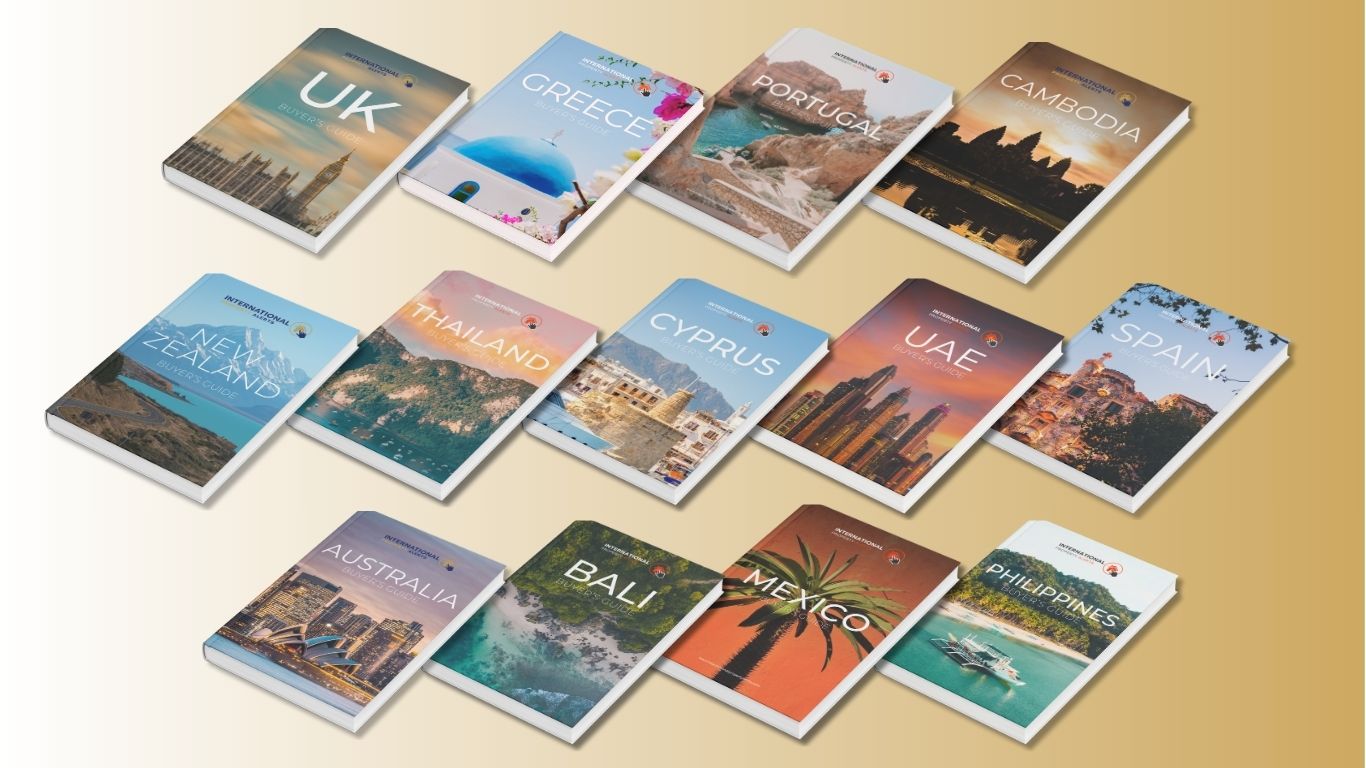
Thinking about buying property abroad? Don’t make the move without the right knowledge. Our Free Buyers Guide gives you essential insights on legal steps, taxes, financing, and the best markets worldwide. Trusted by international buyers and investors.

Wake up to bright, spacious living with stunning views and modern comforts. Whether for family living, retirement, or a stylish retreat, Sudara Residences makes your dream home a reality
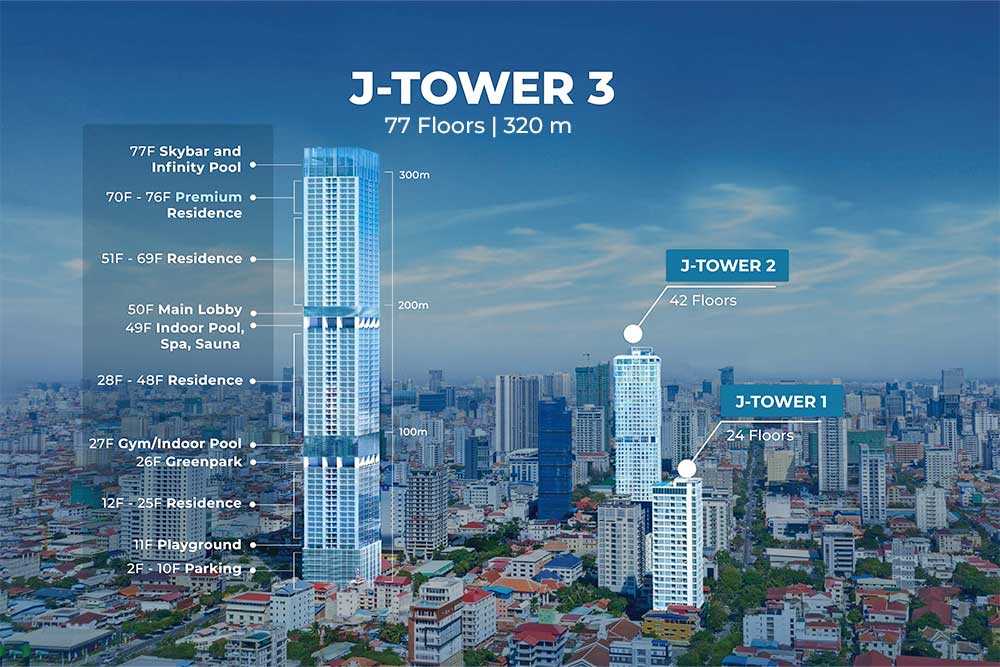
Discover curated property listings with IPS—residential, commercial, villas, land—and get expert guidance through every step.
BONUS: FREE Cambodia Buyer’s Guide

High visibility. Targeted audience. Maximum exposure. Rent this space and let your brand shine.

Get your properties in front of high-intent investors. Showcase your listings to buyers worldwide.

From pounds to pesos, yen to dollars. ⚡ Quick. Easy. Secure.
Compare listings
ComparePlease enter your username or email address. You will receive a link to create a new password via email.