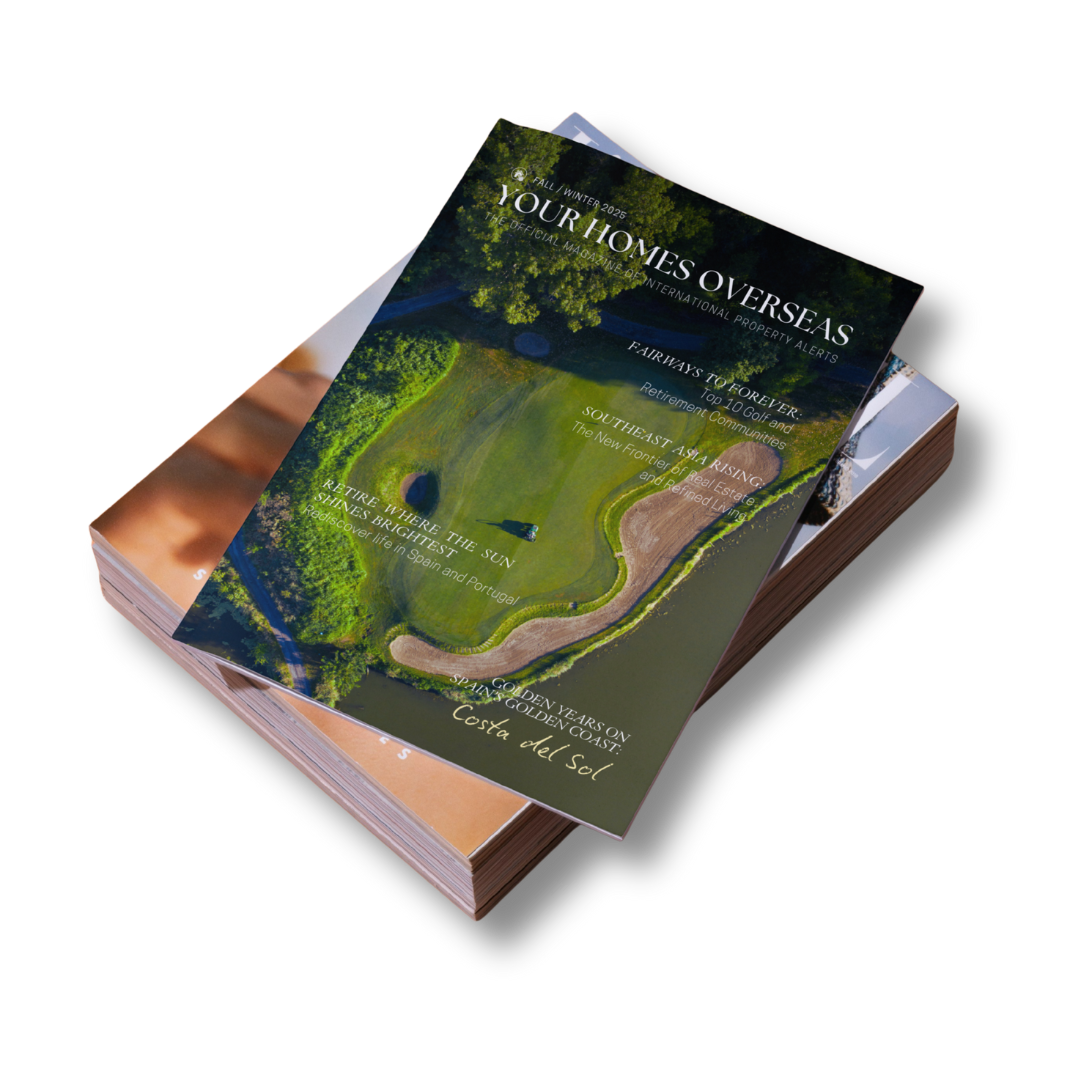
Discover the best destinations, property tips, and lifestyle insights from around the world.
GET YOUR FREE MAGAZINE HERE!

Learning about selling property in Spain helps make the process easy. You need the right papers, like your title deeds and tax receipts. You also need an estate agent and a solicitor to guide you. After preparing your home, you can accept an offer and sign the contract. Lastly, the final step happens at the notary where the sale is completed.
People interested in real estate in Spain should know the steps are clear. Keep your documents ready. Understand the taxes and costs. Additionally, ask professionals for help. When you stay organised and follow each step, selling your home becomes simple and smooth.
Before you start, it helps to know the simple things you must prepare so the sale goes smoothly and without stress. Here is what matters most.
When you begin selling property in Spain, you need to prepare certain papers. These documents prove you own the home and that everything is up to date. You will need your title deeds, IBI tax receipts, utility bills, and an Energy Performance Certificate or EPC. You also need an NIE number, an updated land registry extract, and a mortgage cancellation certificate if you still have a loan. These papers help buyers feel safe and confident.
To make selling property in Spain easier, you need a few experts to guide you. An estate agent helps you find buyers. A solicitor or conveyancer checks contracts and protects you from mistakes. A notary completes the final deed and makes the sale official. These professionals make sure every step is clear and correct, so nothing is confusing.
Before you list your property for sale in Spain, you must get it ready. This also supports selling property in Spain, since buyers like clean and tidy homes. Start with simple cleaning. Fix small repairs like broken handles or lights. You can also stage the rooms to make them look warm and inviting, and add small refurbishments if needed. Doing this helps your home stand out and attract more buyers.
Selling a home becomes much easier when you follow clear steps. Each part helps you stay organized, avoid mistakes, and understand exactly what happens during the whole process.
When you start selling property in Spain, you can choose to work with an estate agent or sell on your own. An agent can find buyers faster and handle paperwork, but they charge a fee, usually around 3 to 6 percent. Selling privately saves money, but you must do all the work by yourself. Choose the option that feels safest and easiest for you.
To continue selling property in Spain, you must choose a fair price. Check the market to see what other homes cost. Look at taxes that affect your final amount and study buyer demand in your area. This is helpful for people learning about housing in Spain, because prices can change based on location, size, and condition. A smart price helps your home sell faster.
Good marketing makes selling property in Spain much easier. You can post your home on online property portals, share it on social media, and list it on real estate websites. Email campaigns also help reach more people. This matters for anyone interested in international property, because buyers often come from different countries and search online first.
When a buyer likes your home, they will make an offer. If you say yes, both of you sign a deposit contract. The buyer usually pays a 10 percent deposit. This protects both sides and makes sure the sale is serious. If the buyer cancels without a valid reason, they might lose the deposit.
The last step is finishing the sale at the notary’s office. You will sign the final deed, hand over the keys, and receive the remaining payment. The buyer and seller each have responsibilities, and the notary checks that everything is correct and fair. After this meeting, the home officially belongs to the new owner.
Before you start, it is important to understand the money you must pay during the sale. These taxes and fees help the government and professionals complete the process correctly.
When selling property in Spain, you pay Capital Gains Tax if you earn profit from the sale. Residents usually pay lower rates because they live in the country. Non-residents pay a flat rate, which is higher. This tax is based on the difference between the price you bought the home for and the price you sell it for. Knowing this helps you plan your budget.
Another cost when selling property in Spain is the Plusvalía tax. This is charged by the local town hall. It is calculated based on how much the land value has increased over time. The longer you own the home, the higher this tax may be. Many people learning about the cost of living in Spain find this helpful because it gives them an idea of long-term property expenses.
If you are not a resident, there is a special rule. When selling property in Spain, the buyer keeps 3 percent of the sale price and sends it to the Tax Office. This is called the withholding tax. It helps the government make sure non-residents pay what they owe. You can apply for a refund if your taxes are lower than the amount withheld.
There are also extra costs that come with selling a home. Estate agent fees cover marketing and finding buyers. Notary fees pay for the official signing of the deed. Legal fees go to your solicitor for checking documents. If you still have a loan, you may also pay mortgage cancellation fees. These costs make the process smoother and safer for both you and the buyer.
Before you begin the selling process, you need to gather important papers that prove ownership and show your home is ready for a safe and legal sale. These documents help everything move smoothly, so buyers feel confident and protected.
If you live in another country and want to sell your home in Spain, there are a few extra rules you must follow. These steps keep the sale safe, clear, and fully legal from start to finish.
Selling a home follows a simple timeline that helps you understand what happens next. These steps make the whole process clearer and easier to follow from start to finish.
When you sell a home, small mistakes can easily slow everything down. However, learning about these issues early helps you stay organised and keeps the whole process smooth and stress free.
After all the hard work of selling your home, a few final steps make everything official. These steps help you finish the process safely and understand what happens once the buyer takes over.
When you start selling property in Spain, the last big step happens at the notary. Here, you and the buyer sign the final deed, which is the official paper that hands the home over to the new owner. After the deed is signed, the buyer gives you the remaining payment. This meeting is very important because it makes the sale legal and complete. Many people who read a country guide in Spain find this helpful because it explains how property transfers work.
After selling property in Spain, you may want to close your Spanish bank account, especially if you do not live in the country anymore. First, you need to make sure all your bills are paid. Next, transfer any remaining money to your home-country bank. Then, ask the bank to close the account officially. This final step helps you stay organised and avoids future charges, especially if your sale is finished and you no longer need local banking.
Selling a home becomes much easier when you remember the most important points. When selling property in Spain, you should prepare your documents early, choose a fair price, and understand the taxes you must pay. These simple steps help you stay organised and avoid surprises, which makes selling property in Spain feel much less stressful.
When you follow the process carefully, selling property in Spain becomes smooth and clear for everyone involved. If you ever feel unsure or need extra help, you can always contact us for support. Staying prepared and working with trusted professionals keeps the whole experience simple and safe.
Yes. You need papers like your title deeds, IBI tax receipts, utility bills, and an Energy Performance Certificate. These help prove the home is ready to sell.
Most homes sell in about four to twelve weeks. Busy areas move faster, while quieter places may take more time.
Yes. Non-residents must pay special taxes, have an NIE number, and sometimes need a fiscal representative to help with paperwork.
You may pay Capital Gains Tax and the Plusvalía Municipal Tax. Non-residents also have a 3 percent withholding tax taken by the buyer.
No, but many people use one. An agent helps find buyers, handles marketing, and guides you through the paperwork.
About International Property Alerts
International Property Alerts is a premier global platform connecting real estate investors with handpicked opportunities in emerging and lifestyle-driven markets. Through curated listings, expert guidance, and market insights, we help buyers make confident property decisions worldwide.
Media Contact:

Phone: +4477 1923 8132
📱 WhatsApp: +63927 073 9530
Email: office@internationalpropertyalerts.com

Elle Resort & Beach Club offers a rare chance to own property in one of the most desirable coastal locations. With limited units, strong capital growth potential, and unmatched resort facilities, this is your opportunity to secure a beachfront lifestyle with long-term value.

Thinking about buying property abroad? Don’t make the move without the right knowledge. Our Free Buyers Guide gives you essential insights on legal steps, taxes, financing, and the best markets worldwide. Trusted by international buyers and investors.

Wake up to bright, spacious living with stunning views and modern comforts. Whether for family living, retirement, or a stylish retreat, Sudara Residences makes your dream home a reality
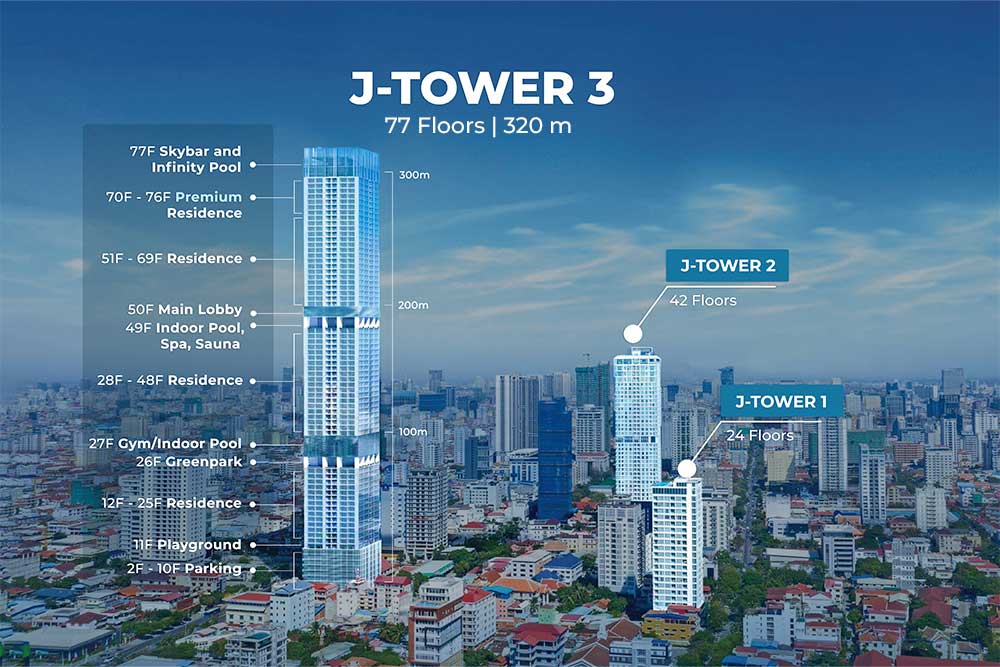
Discover curated property listings with IPS—residential, commercial, villas, land—and get expert guidance through every step.
BONUS: FREE Cambodia Buyer’s Guide

High visibility. Targeted audience. Maximum exposure. Rent this space and let your brand shine.

Get your properties in front of high-intent investors. Showcase your listings to buyers worldwide.

From pounds to pesos, yen to dollars. ⚡ Quick. Easy. Secure.
Compare listings
ComparePlease enter your username or email address. You will receive a link to create a new password via email.