


When you start selling overseas property in Spain, you must follow clear rules so the sale goes smoothly. These rules help the government check your documents, confirm ownership, and make sure all taxes are paid correctly. Moreover, non-residents have extra steps to follow, like preparing the right papers and working closely with a lawyer who understands Spanish property laws.
You can even sell without flying to Spain by giving someone power of attorney. This helps them sign papers, handle tax payments, and work with the notary for you. These steps make the process easier, especially if you have property for sale in Spain.
Selling overseas property in Spain takes several simple steps that help you stay organized and follow the law. These steps guide you from choosing the right helpers to finishing your sale at the notary. Follow each one carefully so the whole process feels easy and predictable.
When you start selling overseas property in Spain, working with an English-speaking Spanish solicitor makes everything clearer. They explain the rules in simple words and help you understand each step. Real estate agents also help with marketing, and their commission usually costs around 4 to 6 percent plus VAT. Your solicitor will handle contracts, check for problems, and give tax guidance so nothing goes wrong. This support matters a lot, especially for non-residents who may not know where Spain is on a map or how the local system works.
Another important step when selling overseas property in Spain is giving someone a power of attorney. This lets your lawyer or trusted representative sign papers, pay taxes, and handle the sale even if you stay in your home country. It must be notarized and apostilled when done abroad. This simple tool helps non-residents who are busy, traveling, or learning about visa and residency in Spain, and it keeps the sale moving smoothly.
Before selling overseas property in Spain, you need to collect several important documents. These help prove who you are, what you own, and that everything is legal. Here are the main documents:
These papers make the process simple for the buyer, the solicitor, and the notary.
Good marketing helps a lot when selling overseas property in Spain. You list your home on popular local and international platforms so more buyers can see it. Adding clear photos and choosing a smart price makes your property stand out. When a buyer is ready, you both sign a preliminary contract called the Contrato de Arras, and the buyer usually gives a 10 percent deposit.
The final step in selling overseas property in Spain is signing the new title deed, called the Escritura de Compraventa. This happens at the notary’s office. The notary checks the rules, makes sure everything is correct, and registers the sale with the Land Registry. Once this is done, the sale is complete, and both parties can move forward without worries.
Understanding taxes is a big part of selling overseas property in Spain. These rules help the government keep track of profits, land values, and payments from foreign sellers. Even if the steps look complicated at first, they become easier when you know what each tax means and why it matters.
When you earn money from selling overseas property in Spain, you must pay Capital Gains Tax. This tax is based on the profit you make from the sale. If you are from an EU or EEA country, the tax rate is 19 percent. If you are from a non-EU country, like the US or the UK after Brexit, the rate is 24 percent. Understanding these numbers helps you plan your money better, just like checking the cost of living in Spain before moving or investing.
Another rule in selling overseas property in Spain is the 3 percent buyer withholding tax. The buyer pays this amount directly to the Spanish Tax Agency, called Agencia Tributaria. This payment works like an advance on your final Capital Gains Tax. If you owe less, you can ask for a refund. If you owe more, you simply pay the difference. This rule helps Spain collect taxes correctly from non-residents.
The Plusvalía tax is another part of selling overseas property in Spain. It is a local tax that measures how much the land value has increased since you bought the property. The more the land value grew, the higher the tax. You pay this to the local town hall. It is important because it helps towns maintain services like streets and parks.
Even after selling overseas property in Spain, you still need to tell your home country about the profit you made. Many countries require you to report this income. The good news is that double taxation agreements can help you avoid paying tax twice on the same earnings. These agreements work like a safety net for foreign sellers, making the process smoother and more fair.
When you begin selling overseas property in Spain, you should understand the costs and timing. This helps you plan better. It also makes the process easier, especially when handling an international property from far away.
First, selling overseas property in Spain includes several basic fees. Agent fees cover the work of finding buyers. Next, legal fees pay your solicitor for document checks and guidance. Then, notary fees apply when you sign the final deed. You may also pay mortgage cancellation costs if you still have a loan. Finally, registry fees update the official records. These costs keep the sale safe and legal.
The timeline for selling overseas property in Spain is simple to follow. First, marketing usually takes one to three months. After that, legal checks and contracts take around one month. With power of attorney, the process can move faster. This helps a lot when you live abroad and manage an international property from a distance.
When you begin selling overseas property in Spain, you can make the process easier by following simple tips. These steps help you stay organized and avoid problems, especially when you handle everything from abroad.
When you follow the right steps, selling overseas property in Spain becomes much easier. First, you gather the correct documents. Next, you understand the taxes you must pay. Then, you stay organized so the process stays smooth. Using a power of attorney also helps a lot because someone in Spain can sign papers and handle important tasks for you. With these steps in place, everything feels simpler and less stressful.
For even better results, you should work with trusted legal and tax specialists who can guide you through every stage. They explain things clearly and help you avoid mistakes. If you need more help or have questions, you can always contact us for support.
Yes, you can. In fact, using a power of attorney makes it much easier. Someone you trust can sign papers and handle important steps for you.
To begin, you need your NIE number and your title deeds. You also need a Nota Simple, the EPC certificate, the occupancy certificate, utility bills, and any mortgage cancellation papers. These documents keep the sale legal and simple.
Non-residents follow special rules, so taxes work differently. For example, EU and EEA sellers pay 19 percent, while non-EU sellers pay 24 percent. This helps Spain apply the correct tax rates for everyone.
Most sales take two to four months. First, you market the property. Then, legal checks follow. Finally, you sign at the notary. Each step keeps the process moving forward.
Yes, you should hire one. A solicitor explains each step, checks documents, and guides you through taxes. As a result, your sale becomes safer and easier.
About International Property Alerts
International Property Alerts is a premier global platform connecting real estate investors with handpicked opportunities in emerging and lifestyle-driven markets. Through curated listings, expert guidance, and market insights, we help buyers make confident property decisions worldwide.
Media Contact:

Phone: +4477 1923 8132
📱 WhatsApp: +63927 073 9530
Email: office@internationalpropertyalerts.com

Elle Resort & Beach Club offers a rare chance to own property in one of the most desirable coastal locations. With limited units, strong capital growth potential, and unmatched resort facilities, this is your opportunity to secure a beachfront lifestyle with long-term value.
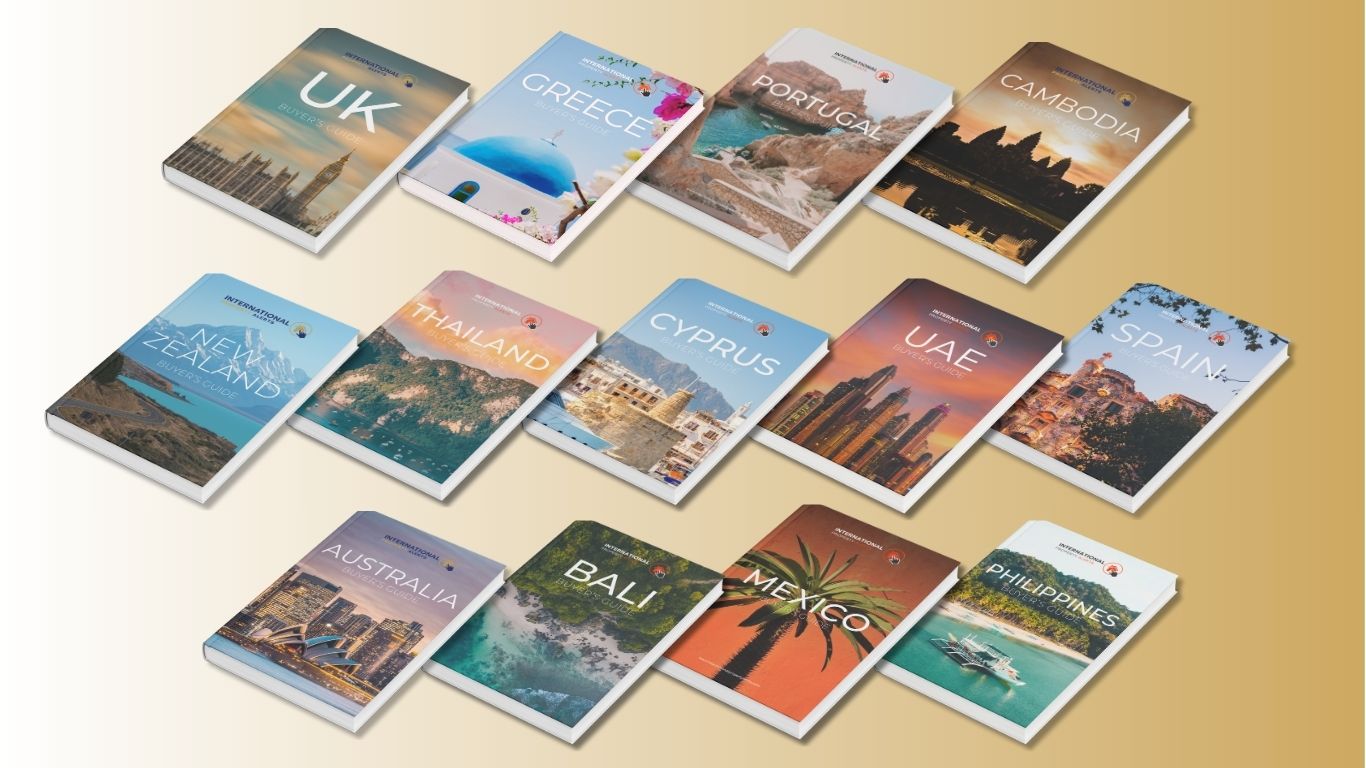
Thinking about buying property abroad? Don’t make the move without the right knowledge. Our Free Buyers Guide gives you essential insights on legal steps, taxes, financing, and the best markets worldwide. Trusted by international buyers and investors.

Wake up to bright, spacious living with stunning views and modern comforts. Whether for family living, retirement, or a stylish retreat, Sudara Residences makes your dream home a reality

Discover curated property listings with IPS—residential, commercial, villas, land—and get expert guidance through every step.
BONUS: FREE Cambodia Buyer’s Guide

High visibility. Targeted audience. Maximum exposure. Rent this space and let your brand shine.

Get your properties in front of high-intent investors. Showcase your listings to buyers worldwide.

From pounds to pesos, yen to dollars. ⚡ Quick. Easy. Secure.
Compare listings
ComparePlease enter your username or email address. You will receive a link to create a new password via email.