Discover the best destinations, property tips, and lifestyle insights from around the world.
GET YOUR FREE MAGAZINE HERE!

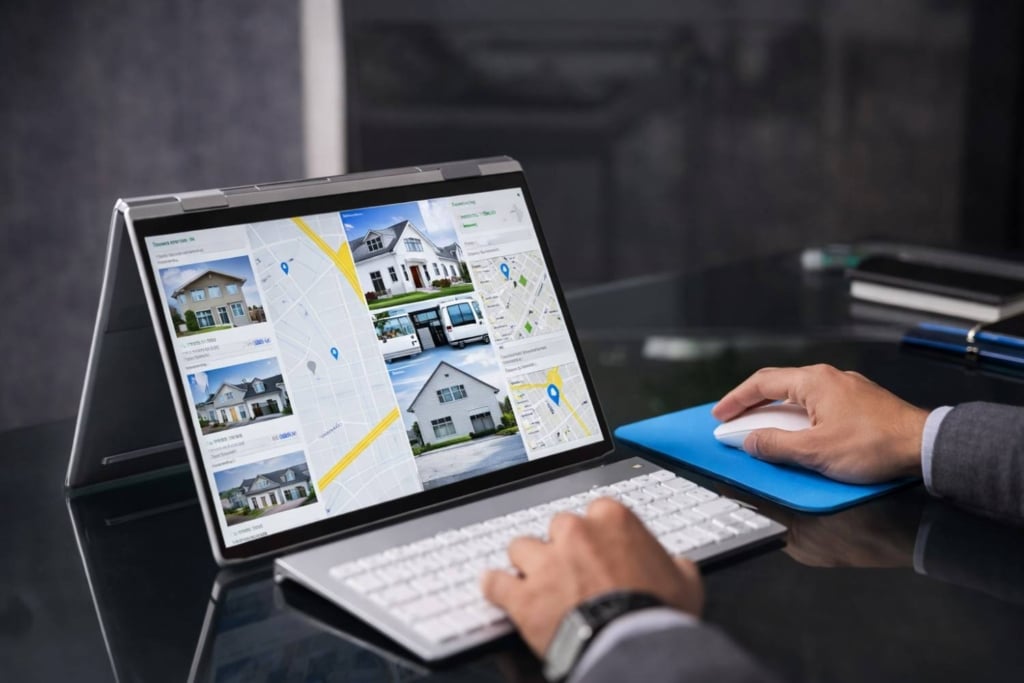
Many people who sell homes share helpful things online so others can learn about houses. They make simple blogs, short videos, and easy guides. Also, they share tips about buying or selling a home. This way of sharing helpful information is called real estate content marketing. It helps people understand homes before they talk to an agent. When someone finds clear and useful tips, they start to trust the person who shared them.
In the real estate industry, marketing is changing. In the past, agents used flyers, signs, and cold calls. Today, many agents help people by sharing useful content online. Thus, this makes it easier for buyers and sellers to learn at their own pace. With real estate content marketing, agents teach people about homes first. In this guide, we will talk about the types of content agents can make, where they can share it, and simple ways it helps them get more leads.
Real estate agents today share helpful information online so people can learn about homes. This makes it easier for buyers and sellers to understand the market.
Real estate content marketing means sharing helpful information about homes, buying, selling, and neighborhoods. Instead of only showing house listings, agents create blogs, videos, and simple guides that answer questions people often ask.
Think of it like a teacher helping students learn something new. When agents explain things clearly, people feel more comfortable and confident about buying or selling a home.
This method also helps people learn how to sell property online. For example, an agent might share tips about preparing a house for photos, writing a good listing, or promoting a home on social media.
Because of this, real estate content marketing is important. It helps people find useful answers online and connect with agents who understand the process.
When agents share helpful tips and guides, people begin to see them as experts. Over time, readers trust the advice they give. Real estate content marketing helps agents show their knowledge while helping others at the same time.
Many people do not fully understand the home-buying or selling process. Helpful content explains things step by step, like how mortgages work or how to sell property online. This makes the journey easier for everyone.
People who read helpful guides are often already interested in buying or selling a home. Because they learned from the content first, they are more likely to contact the agent who helped them. This is why real estate content marketing can bring better and more serious leads.
Helpful online content can make learning about homes easy and fun. When agents share useful information, people understand the market better and begin to trust them.
A neighborhood guide talks about what it is like to live in a certain area. It explains things like nearby schools, parks, restaurants, and stores. People also learn about the lifestyle, such as quiet family areas or busy city streets.
These guides can also share small community details, like local events, playgrounds, or weekend markets. This helps buyers imagine living there. Real estate content marketing often uses neighborhood guides because they answer questions buyers ask before moving to a new place.
Agents may also do real estate competitor analysis to see what other agents write about local areas. This helps them create better and more helpful guides.
Market updates explain what is happening with home prices and sales in an area. People want to know if prices are going up, going down, or staying the same.
These updates may also show market trends, like how fast homes are selling. They can also talk about inventory, which means how many homes are available to buy.
Through real estate content marketing, agents share these updates so buyers and sellers understand the market. This helps them decide the right time to buy or sell a home.
Interactive tools let people explore information in a fun way. One example is a mortgage calculator. It helps buyers see how much money they might pay each month.
Another tool is a rent-versus-buy quiz. It helps people decide if renting or buying a home is better for them. Virtual home tours are also popular because buyers can look at houses online without visiting in person.
Many agents include these tools in real estate content marketing because they help people learn while they explore homes online.
Some content is made to teach people step by step. For example, a first-time homebuyer guide explains the whole process in simple steps.
Agents may also share seller checklists. These lists help homeowners prepare their house before selling. Another helpful topic is home staging tips, which show how to make a house look nice for photos and showings.
Good real estate content marketing focuses on teaching people clearly so they feel ready to buy or sell.
Stories about past clients show how an agent helped someone buy or sell a home. These stories are often called case studies.
Agents may also share video testimonials where happy clients talk about their experience. Some stories even show before-and-after examples, like how a home looked before it was listed and how quickly it sold.
These real stories are powerful in real estate content marketing because they show proof that the agent can help others succeed.
Making helpful content is only the first step. Real estate agents also need to share that content in places where people can easily see it online.
A blog is a page on a website where agents write simple articles about homes. These articles answer questions people search for on Google.
For example, someone might search for “how to buy a house” or “best neighborhood for families.” Agents write generative AI real estate posts that answer these questions so people can learn step by step.
When people find these helpful articles online, they start to trust the agent who shared them. This is why real estate content marketing often includes writing blog posts.
Agents also study other agents’ websites through property marketing strategies to see what topics they write about. This helps them learn what kind of content people want to read.
Social media is a place where people share photos and videos online. Real estate agents use social media to show homes and share helpful tips.
Instagram and TikTok are great for short videos. Agents often post quick clips that show the best parts of a home.
Some videos are property reels that highlight kitchens, bedrooms, or backyards. Others are walkthrough videos where the agent shows the whole house while explaining the features.
These videos are fun and easy to watch, which makes them a great part of real estate content marketing.
Facebook helps agents talk with people in their local community.
Agents can share neighborhood news, home tips, or events happening nearby. They also post house listings so people can see homes that are for sale.
This helps agents stay connected with buyers and sellers while using simple property marketing strategies.
Email is another way agents share helpful information.
Many agents send newsletters with home tips, market updates, and new property listings. These emails help people learn about homes without searching for the information themselves.
Some agents send a “Home of the Week” email that shows one special property. Others send updates about neighborhood news or local events.
Email is an important part of real estate content marketing because it keeps people informed and interested over time.
Video websites also help agents show homes and explain things clearly.
YouTube is a popular place where agents post property tours. In these videos, they walk through the house and show each room.
Agents also make simple videos that teach people about buying or selling homes. These lessons help viewers understand the process step by step.
Videos like these are helpful because people can see and learn at the same time. That is why video is a big part of real estate content marketing and many property marketing strategies used today.
Good content helps people learn about homes and the buying process. When agents follow simple rules, their content becomes clearer, more helpful, and easier to find online.
One simple rule in real estate content marketing is called the 80/20 rule.
This means that about 80% of the content should teach people something helpful. For example, agents can explain home-buying steps, share tips for preparing a house for sale, or talk about local neighborhoods.
The other 20% can promote homes or services. This might include showing new listings, open houses, or recently sold homes.
When agents focus more on helping than selling, people feel more comfortable and trust them more. Over time, real estate content marketing helps build strong relationships with buyers and sellers.
Sometimes one piece of content can be used in many ways. This is called repurposing content.
For example, an agent may write a blog post about buying a home. That same blog can be turned into short social media posts that highlight the main tips.
The blog can also become an infographic that shows the steps in a simple picture. It can even be turned into an email that agents send to people who want to learn more.
Repurposing helps agents share helpful ideas in different places. It also makes real estate content marketing easier because one idea can be used many times.
Homes are easier to understand when people can see them clearly. That is why good pictures and videos are very important.
Professional photography helps homes look bright and clean in listings. Clear photos show rooms, layouts, and details that buyers want to see.
Some agents also use drone videos. These videos show the house from above and help viewers see the neighborhood around it.
Another helpful tool is a 3D property tour. This lets people explore a home online as if they are walking inside it.
Using great visuals is one of the important skills that you can learn in the real estate market, and it helps make real estate content marketing more exciting and useful.
A lead magnet is something helpful that people can download in exchange for their email address.
For example, agents may offer a seller checklist that explains how to prepare a home before selling. Another example is a relocation guide that teaches people about moving to a new city.
Agents may also share market reports that show home prices and trends in a local area.
These helpful resources give people valuable information while helping agents connect with new buyers and sellers. Lead magnets are a smart part of real estate content marketing because they turn interested readers into real leads.
A plan helps agents share helpful information in the right way. When agents follow a simple strategy, their content becomes clearer, more organized, and easier for people to find.
The first step in real estate content marketing is knowing who the content is for. Different people need different kinds of information.
Some content is made for first-time buyers who are learning how to buy a home for the first time. They may need simple guides and step-by-step tips. Other content may focus on luxury buyers who are looking for larger homes or special features. These buyers often want to see high-quality photos, videos, and neighborhood highlights.
Agents may also create content for investors who buy homes to rent or sell later. These readers want to learn about prices, trends, and smart investment ideas.
Some agents also use AI content, systems and training to help plan topics and understand what buyers and sellers want to learn. This can make real estate content marketing more organized and helpful.
A content calendar is a simple schedule that shows when to post content.
For example, agents might write one blog post each week that answers common questions about buying or selling homes. They may also share monthly market reports that explain what is happening with home prices in the area. On social media, agents can post daily updates such as home tips, short videos, or new listings.
Having a schedule helps agents stay consistent. When people see helpful content regularly, they start to recognize and trust the agent. This is why planning is an important part of real estate content marketing.
After posting content, agents need to see how well it is working.
One thing to track is website traffic. This shows how many people visit the website to read blogs or view listings. Another important metric is engagement. This means likes, comments, shares, or messages from people who saw the content.
Agents also watch lead conversions. This shows how many visitors become real buyers or sellers who contact the agent.
By tracking these results, agents learn what content people enjoy the most. This helps them improve their real estate content marketing and create better posts in the future.
Examples help people understand how agents share helpful information online. These examples show simple ways agents teach buyers and sellers while building trust.
A market report blog explains what is happening with home prices in a certain area. Agents may talk about how many homes are selling, how fast they sell, and if prices are going up or down.
These reports help buyers decide when to buy a home. They also help sellers know the best time to list their house.
Many agents use this type of content in real estate content marketing because people often search online to understand the housing market. Some reports may even compare local homes with international property markets so readers can see how prices differ around the world.
Neighborhood spotlight videos show what it is like to live in a certain place. Agents may walk around the area and show parks, schools, shops, and restaurants.
These videos help buyers imagine living there before they even visit the neighborhood. Families especially like seeing what the community looks like.
Videos like these are a popular part of real estate content marketing because they make learning about an area simple and fun.
Some agents create a series of videos that teach people about buying a home. Each video focuses on one simple topic.
For example, one video might explain how mortgages work, while another explains how to choose the right neighborhood.
Over time, these videos build a helpful learning library for buyers. This kind of teaching content is a strong example of real estate content marketing because it helps people understand the home-buying process step by step.
Some agents even talk about buying international property for people who want homes in other countries.
Case studies tell the story of how an agent helped someone buy or sell a home.
For example, the story might explain how a family found their dream house or how a homeowner sold their property quickly. The story can show the steps the agent took to help the client succeed.
These stories make real estate content marketing more powerful because they show real results. When people see how others succeeded, they feel more confident working with the same agent.
Sometimes agents make simple mistakes when sharing content online. Learning these mistakes helps agents improve their real estate content marketing and connect with more buyers and sellers.
One common mistake is posting only homes for sale. While listings are important, people also want helpful information.
Buyers may want tips about choosing a neighborhood. Sellers may want advice about preparing a home before listing it. When agents share helpful guides, tips, and videos, people learn to trust them. This makes real estate content marketing more useful and interesting.
Local SEO helps people find agents in their city when they search online.
For example, someone might search for homes in a specific neighborhood. If agents include local places, schools, or city names in their content, it becomes easier for people to find them. Learning how to use local search terms is one of the helpful business development skills agents can practice. It also helps improve real estate content marketing by reaching the right audience.
Another mistake is posting content only once in a while.
If an agent writes a blog today and then waits months before posting again, people may forget about them. Posting regularly helps people remember the agent and keeps the website active. Consistent posting is very important for strong real estate content marketing because it shows that the agent is active and helpful.
Sometimes agents create good content but only use it once.
For example, a blog post could also become a short social media tip, a video, or an email newsletter. Using the same idea in different ways helps more people see it. Repurposing content saves time and helps agents share helpful information in many places. This simple habit can make real estate content marketing stronger and easier to manage.
Sharing helpful information online can help real estate businesses grow. This is why real estate content marketing is so valuable. When agents create blogs, videos, guides, and simple tips, people can learn about buying or selling homes step by step. Helpful content makes the process easier to understand and builds trust with readers. Over time, this trust shows people that the agent understands the market and can guide them in the right direction.
Posting content regularly and sharing it on blogs, social media, email, and video platforms helps more people discover useful information. With real estate content marketing, strangers who read helpful tips can slowly become future clients. When they are ready to buy or sell a home, they often return to the agent who helped them learn. If readers want more information or guidance, they can simply visit the website and use the contact us page to get in touch.
Real estate content marketing is when agents share helpful information online to teach people about buying, selling, or investing in homes. Instead of only advertising listings, they create blogs, videos, and guides that answer common questions and help people understand the real estate process.
Real estate content marketing helps agents build trust with buyers and sellers. When people find useful tips and clear explanations online, they start to see the agent as someone who understands the market and can help them make good decisions.
Agents often create blog posts, neighborhood guides, home-buying tips, market reports, videos, and social media posts. These types of content help people learn about homes and the local market before contacting an agent.
Content can be shared on many platforms, such as websites, blogs, social media pages, email newsletters, and video platforms like YouTube. Sharing content in different places helps more people discover helpful information.
When people read helpful articles or watch informative videos, they begin to trust the agent who shared the information. Later, when they are ready to buy or sell a home, they often contact that same agent for help.
About International Property Alerts
International Property Alerts is a premier global platform connecting real estate investors with handpicked opportunities in emerging and lifestyle-driven markets. Through curated listings, expert guidance, and market insights, we help buyers make confident property decisions worldwide.
Media Contact:

Phone: +4477 1923 8132
📱 WhatsApp: +63927 073 9530
Email: office@internationalpropertyalerts.com

Elle Resort & Beach Club offers a rare chance to own property in one of the most desirable coastal locations. With limited units, strong capital growth potential, and unmatched resort facilities, this is your opportunity to secure a beachfront lifestyle with long-term value.

Thinking about buying property abroad? Don’t make the move without the right knowledge. Our Free Buyers Guide gives you essential insights on legal steps, taxes, financing, and the best markets worldwide. Trusted by international buyers and investors.

Wake up to bright, spacious living with stunning views and modern comforts. Whether for family living, retirement, or a stylish retreat, Sudara Residences makes your dream home a reality

Discover curated property listings with IPS—residential, commercial, villas, land—and get expert guidance through every step.
BONUS: FREE Cambodia Buyer’s Guide

High visibility. Targeted audience. Maximum exposure. Rent this space and let your brand shine.

Get your properties in front of high-intent investors. Showcase your listings to buyers worldwide.

From pounds to pesos, yen to dollars. ⚡ Quick. Easy. Secure.
Compare listings
ComparePlease enter your username or email address. You will receive a link to create a new password via email.