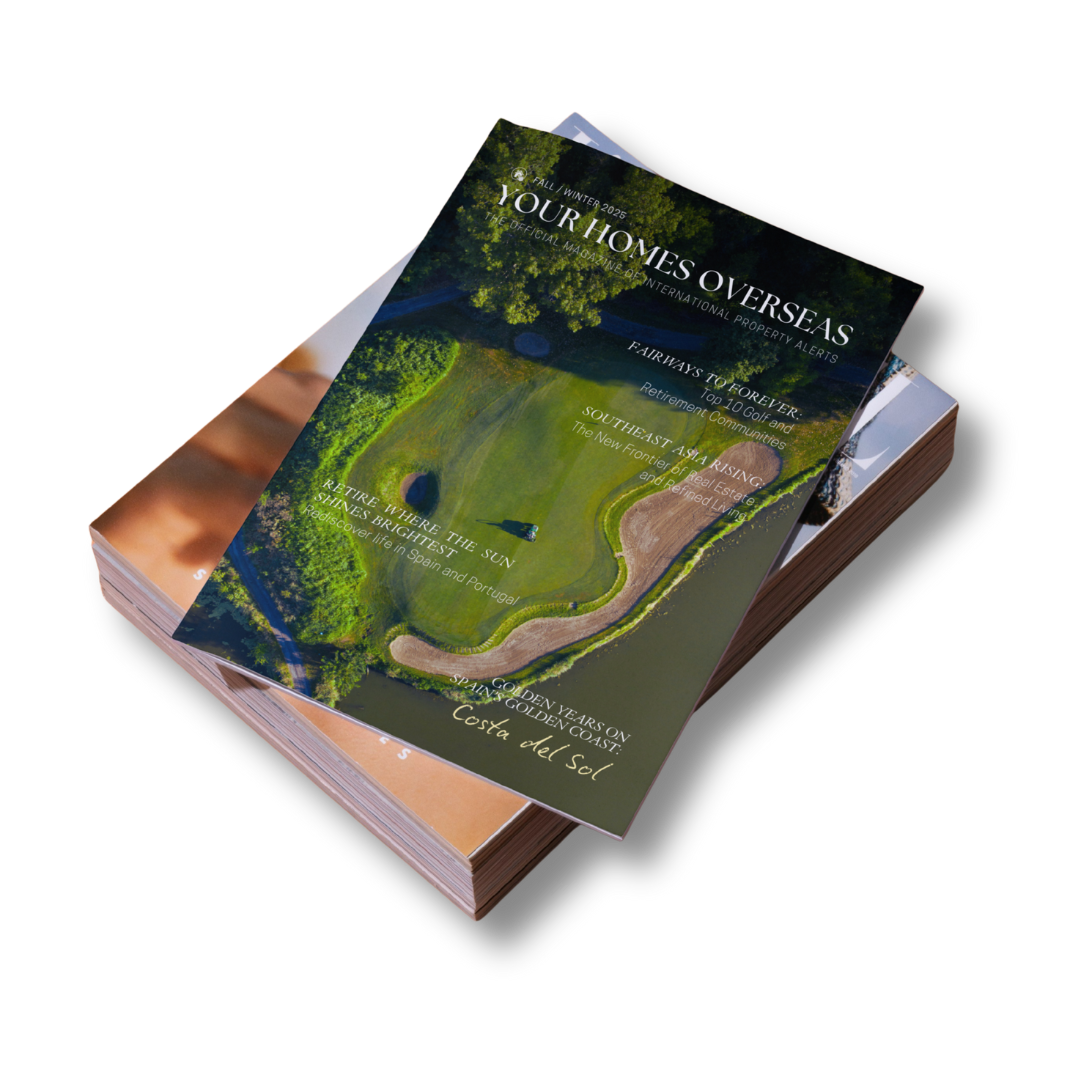
Discover the best destinations, property tips, and lifestyle insights from around the world.
GET YOUR FREE MAGAZINE HERE!

When people begin exploring overseas property investment, the focus usually falls on location, rental yields, and long-term capital growth.
But one cost is often overlooked until the moment contracts are signed.
Property transaction taxes, often referred to as stamp duty, can significantly increase the true cost of buying property abroad.
In some countries the tax is relatively modest. In others it can add tens or even hundreds of thousands to the purchase price.
For international investors comparing markets across Europe, the Middle East, and Asia, understanding these costs is essential.
At International Property Alerts, we regularly see buyers surprised by how much these taxes vary between countries. Two properties priced at the same value can require very different levels of capital once acquisition costs are factored in.
Understanding stamp duty and transfer taxes is therefore one of the most important steps in evaluating global property opportunities.
Stamp duty is a government tax paid when property ownership transfers from a seller to a buyer.
The exact name varies depending on the country. It may be called:
Regardless of the terminology, the purpose is the same.
It is typically paid during the purchase process and is calculated as a percentage of the property price or assessed value.
Unlike rental income tax or capital gains tax, which occur later, stamp duty affects the initial capital required to acquire a property.
For overseas investors this can have a direct impact on how quickly an investment becomes profitable.
Many buyers evaluate properties based purely on purchase price and potential rental income.
However, the true cost of buying real estate internationally includes several additional components, including:
These costs can vary widely depending on the jurisdiction.
For example:
A €500,000 property may require:
That difference can influence:
Professional investors therefore compare transaction costs between countries, not just property prices.
Around the world, property acquisition taxes vary dramatically.
Some countries impose high taxes, often to limit foreign speculation or manage housing demand. Others keep costs low to attract international capital.
Below is a simplified overview of typical transaction costs in key global property markets.
Some established global cities and mature property markets impose relatively high purchase taxes, particularly for foreign buyers.
In England and Northern Ireland, Stamp Duty Land Tax (SDLT) applies to property purchases.
For overseas buyers purchasing additional property, taxes can reach up to around 17 percent on the highest value portions of a property, once surcharges are included.
However, the effective rate varies depending on property price and ownership structure.
Singapore has some of the highest property taxes for foreign buyers globally.
The government currently applies an Additional Buyer’s Stamp Duty (ABSD) of 60 percent for foreign purchasers, in addition to standard stamp duty rates.
These policies are designed to prioritise domestic home ownership.
Stamp duty varies by state, but foreign buyers often face:
This means acquisition costs for international investors can reach 10 to 13 percent or more in some regions.
Many of the world’s most popular international property destinations fall into the middle range for transaction costs.
Property transfer tax (ITP) typically ranges between 6 and 10 percent, depending on the region.
New-build properties instead attract 10 percent VAT plus a smaller stamp duty charge of around 1 to 2 percent.
Despite these costs, Spain remains one of Europe’s most popular markets for international buyers due to lifestyle appeal and strong tourism demand.
Portugal applies IMT (Property Transfer Tax), which is calculated on a progressive scale.
Typical effective rates range between 2 and around 8 percent, depending on the property value and whether it is a primary residence or investment property.
Dubai has one of the more transparent property tax structures globally.
The Dubai Land Department charges a 4 percent transfer fee, usually split between buyer and seller but often paid by the buyer in practice.
Total acquisition costs are typically around 6 to 7 percent once agency and registration fees are included.
Dubai’s investor-friendly environment and tax-free rental income continue to attract international buyers.
Japan’s property acquisition costs typically total around 3 to 5 percent.
These include:
Compared to many Western markets, Japan remains relatively competitive in terms of entry costs.
Some countries keep transaction costs extremely low in order to attract international investment.
Georgia has become popular with international buyers partly due to its simple tax structure.
Property transfer tax is effectively 0 percent, with only minimal administrative registration fees.
Transaction taxes vary by canton.
Some areas, including parts of Zurich, have very low or no property transfer tax, although foreign ownership rules can apply in certain regions.
New Zealand does not charge traditional stamp duty on property purchases.
However, foreign ownership of residential property is heavily restricted under the Overseas Investment Act, meaning most overseas buyers cannot purchase existing residential homes.
Croatia applies a 3 percent property transfer tax, which is relatively low compared to many other European Union markets.
To understand the practical effect of transaction taxes, consider a property priced at $1 million.
If the purchase tax is 10 percent, that means:
$100,000 must be paid immediately at the time of purchase.
That same capital could otherwise be used for:
For investors building international portfolios, the difference between a 3 percent and a 10 percent purchase tax can significantly affect long-term growth.
Experienced investors understand that real estate decisions are not just about individual properties.
They are also about jurisdictions.
This means evaluating factors such as:
A market with slightly lower rental yields but lower acquisition costs can sometimes deliver stronger long-term returns.
This is why many international investors diversify across several countries rather than concentrating in a single market.
Navigating international property markets can be complex.
Every country has its own legal framework, tax structure, and buying process.
At International Property Alerts, we work with buyers exploring opportunities across Europe, the Middle East, and Asia.
Through our global network of developers, agents, and legal professionals, we help investors understand:
Because we operate across multiple jurisdictions, we are also able to identify below-market value opportunities, new developments, and investment zones where demand is growing.
For investors considering destinations such as Dubai, Bali, Cyprus, Spain, or Southeast Asia, understanding these market dynamics is essential before making a decision.
International property investment is becoming increasingly global.
Remote ownership, digital platforms, and global mobility are making it easier than ever for investors to buy property abroad.
But as buyers expand their search across multiple countries, understanding tax structures and acquisition costs becomes even more important.
Stamp duty may not be the most exciting part of property research.
However, it remains one of the most important factors influencing investment returns.
The headline price of a property rarely tells the full story.
Transaction taxes, legal costs, and ownership regulations can significantly influence the real cost of buying overseas property.
By comparing jurisdictions carefully and working with experienced international property networks, investors can make better decisions and allocate capital more efficiently.
For those exploring global real estate opportunities, understanding these hidden costs is a crucial step toward building a successful international property portfolio.
Stamp duty is a tax paid to the government when property ownership transfers from a seller to a buyer. It is usually calculated as a percentage of the property value and paid during the purchase process.
In some countries, yes. Markets such as Singapore, Australia, and the United Kingdom apply additional surcharges for foreign buyers.
These policies are often designed to protect domestic housing supply.
Countries such as Georgia and certain regions of Switzerland have very low or zero property transfer taxes. Some markets also keep transaction costs low to attract international investment.
Yes. Because stamp duty increases the initial cost of purchasing property, it can reduce the overall return on investment if not considered in financial calculations.
Beyond stamp duty, buyers should factor in:
International Property Alerts connects buyers with reputable developers and agents worldwide and helps investors understand different property markets, transaction costs, and investment opportunities.
Our goal is to help buyers identify locations where both lifestyle appeal and financial fundamentals align.
Elly Herriman – Director of Marketing & Innovation
📧 elly@internationalpropertyalerts.com
🌐 www.internationalpropertyalerts.com
📱 WhatsApp: +44 7796 174253
📷 Instagram: @elly_international_property
About International Property Alerts
International Property Alerts is a premier global platform connecting real estate investors with handpicked opportunities in emerging and lifestyle-driven markets. Through curated listings, expert guidance, and market insights, we help buyers make confident property decisions worldwide.
Media Contact:

Phone: +4477 1923 8132
📱 WhatsApp: +63927 073 9530
Email: office@internationalpropertyalerts.com

Elle Resort & Beach Club offers a rare chance to own property in one of the most desirable coastal locations. With limited units, strong capital growth potential, and unmatched resort facilities, this is your opportunity to secure a beachfront lifestyle with long-term value.
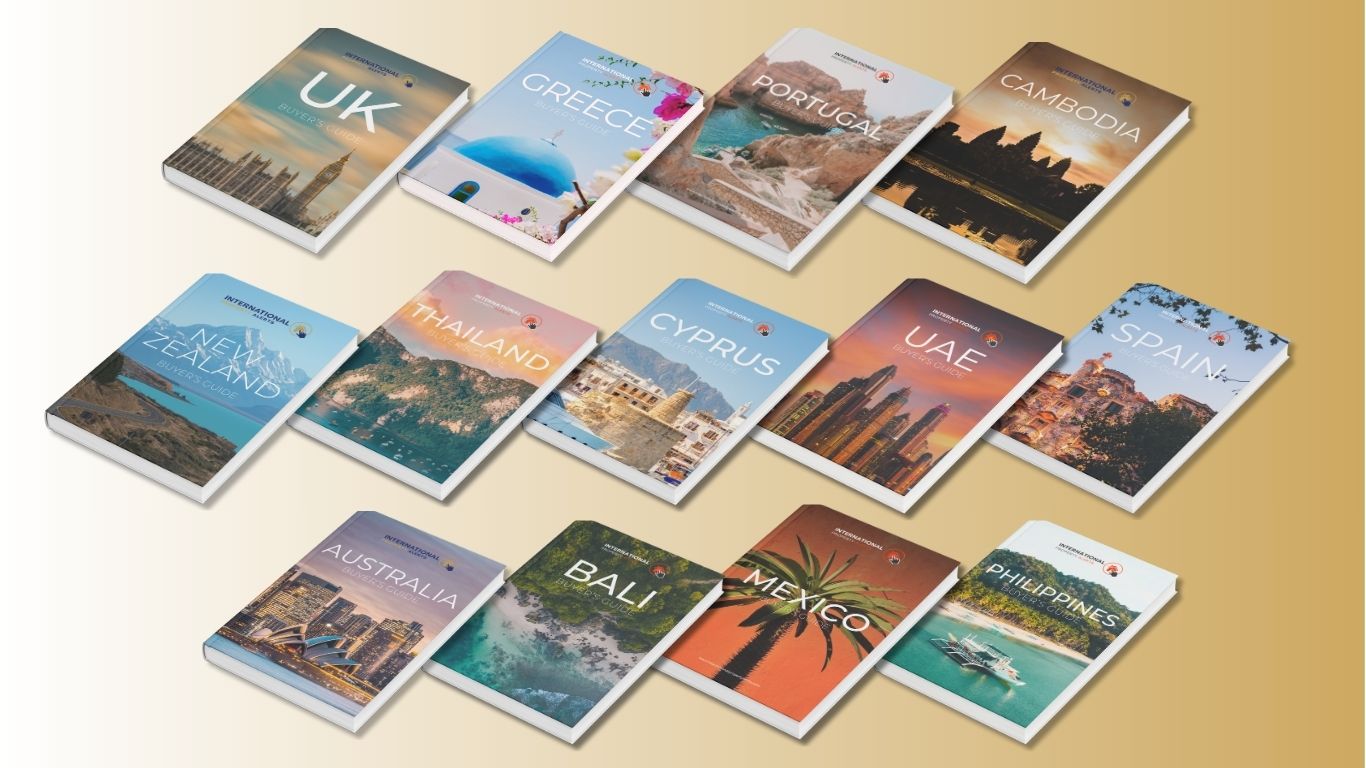
Thinking about buying property abroad? Don’t make the move without the right knowledge. Our Free Buyers Guide gives you essential insights on legal steps, taxes, financing, and the best markets worldwide. Trusted by international buyers and investors.

Wake up to bright, spacious living with stunning views and modern comforts. Whether for family living, retirement, or a stylish retreat, Sudara Residences makes your dream home a reality
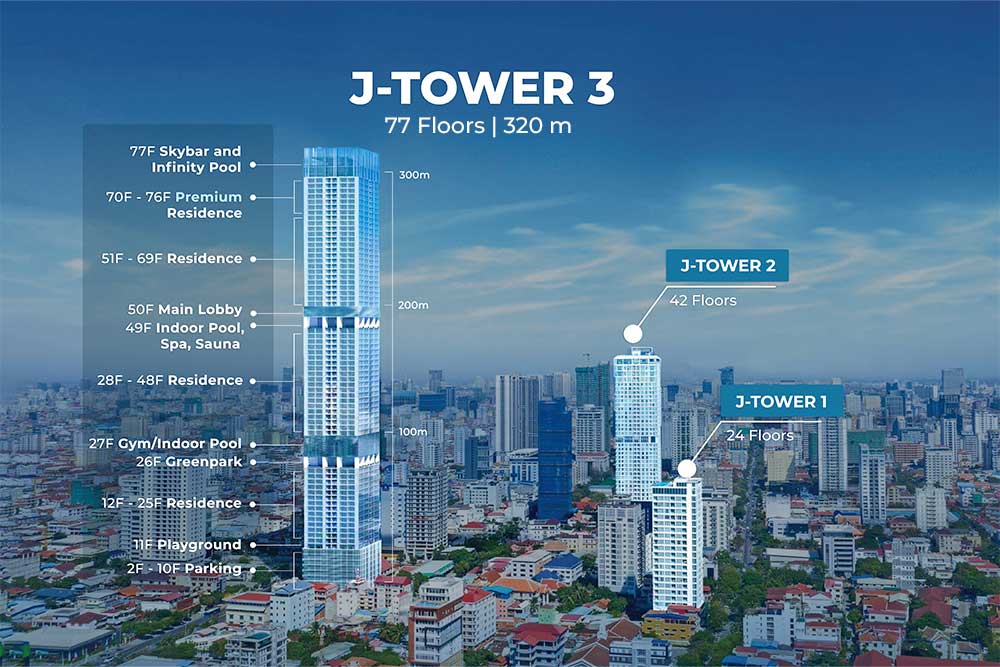
Discover curated property listings with IPS—residential, commercial, villas, land—and get expert guidance through every step.
BONUS: FREE Cambodia Buyer’s Guide

High visibility. Targeted audience. Maximum exposure. Rent this space and let your brand shine.

Get your properties in front of high-intent investors. Showcase your listings to buyers worldwide.

From pounds to pesos, yen to dollars. ⚡ Quick. Easy. Secure.
Compare listings
ComparePlease enter your username or email address. You will receive a link to create a new password via email.