Get Your Free 1st Issue
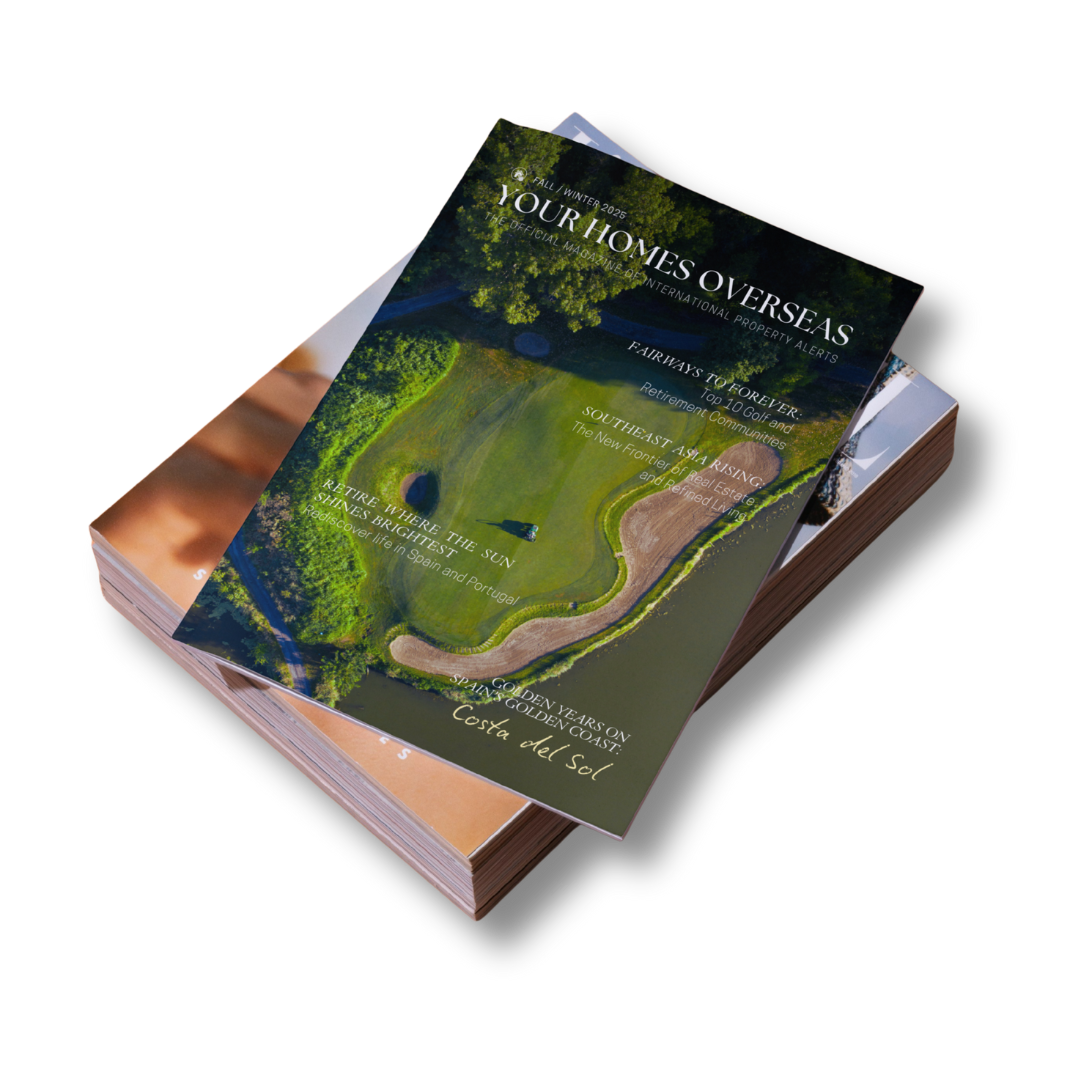
Your Homes Overseas Magazine!

Discover the best destinations, property tips, and lifestyle insights from around the world.

GET YOUR FREE MAGAZINE HERE!

Magazine
Open Magazine

Why We Enjoy Living in Sri Lanka for Half the Year

Discover life in Sri Lanka with low costs, friendly locals, golden beaches, and vibrant culture. See why this tropical island is an ideal choice for expats and a perfect place to retire.

Forty years ago, at 19, I fell in love with Sri Lanka through tales of its golden beaches, ancient ruins, and vibrant culture. My first five-month adventure confirmed its magic, and I’ve returned nearly every year since. Now, my wife and I are embracing retirement by spending six months annually in this Pearl of the Indian Ocean. Sri Lanka’s year-round sunshine, affordable living, and welcoming locals make it a dream destination. From bohemian Arugam Bay to historic Galle, we chase the sun, immersing ourselves in a lifestyle of adventure, community, and tranquility. To explore more insights on expat life and the best international real estate, here’s why we chose Sri Lanka, our favorite spots, and a FAQ for those considering a similar escape.

Why Sri Lanka Captivates Us

why sri lanka captivates us

Sri Lanka, a teardrop-shaped island of 25,000 square miles, blends tropical beauty with rich history. Its eight UNESCO World Heritage Sites, more per square mile than most countries, include ancient cities like Sigiriya and colonial forts in Galle. Beaches range from secluded coves in Tangalle to vibrant bays in Unawatuna. National parks teem with elephants, leopards, and vivid birdlife, delighting nature lovers. The cuisine, from spicy kottu roti to tropical fruits like mangosteen, is fresh and affordable (€2-€5/meal at local eateries).

The people are Sri Lanka’s heart. English is widely spoken, easing communication, and locals are warm, often inviting us for tea or sharing festival sweets. Safety is high, petty theft is rare, and violent crime is low (safer than many Western cities).Flexible visa policies allow stays up to nine months, perfect for our part-time retirement. With living costs 50-70% lower than the U.S., Sri Lanka offers a luxurious yet affordable lifestyle, blending adventure with serenity. Many expats also look into buying property abroad as part of their long-term retirement planning.

Navigating the Monsoon Seasons

sri lanka monsoon seasons

Sri Lanka’s tropical climate (25-32°C year-round) features two monsoons, ensuring one coast is always sunny. The southwest monsoon (May-July) brings rain to the south and west, while the northeast monsoon (December-March) affects the north and east. We plan our six-month stay, March to August to enjoy dry weather, spending three months in Arugam Bay (east) and three in Galle (southwest). This sun-chasing strategy maximizes beach days and outdoor adventures, with mild humidity (60-80%) making even rainy seasons manageable.

Our Favorite Destinations

life in sri lanka

Arugam Bay: Bohemian Beach Bliss

From March to May, we settle in Arugam Bay, a laid-back east coast surf town (pop. 2,000). Its golden beach, lined with palm-thatched cafés, buzzes with a bohemian vibe. Nearby Kumana National Park offers safaris where elephants roam freely, sometimes crossing highways! The retiree community is growing, as our friend Mr. Halim, owner of Arnie’s Place, notes: “Long-term expat rentals have doubled in two years, driven by digital nomads and retirees seeking affordable, authentic living.” We rent a beachfront villa for $700/month, enjoying yoga ($5/class) and fresh seafood dinners ($3-$5). Arugam Bay’s relaxed charm suits those craving simplicity and nature.

Galle: Colonial Charm and Expat Hub

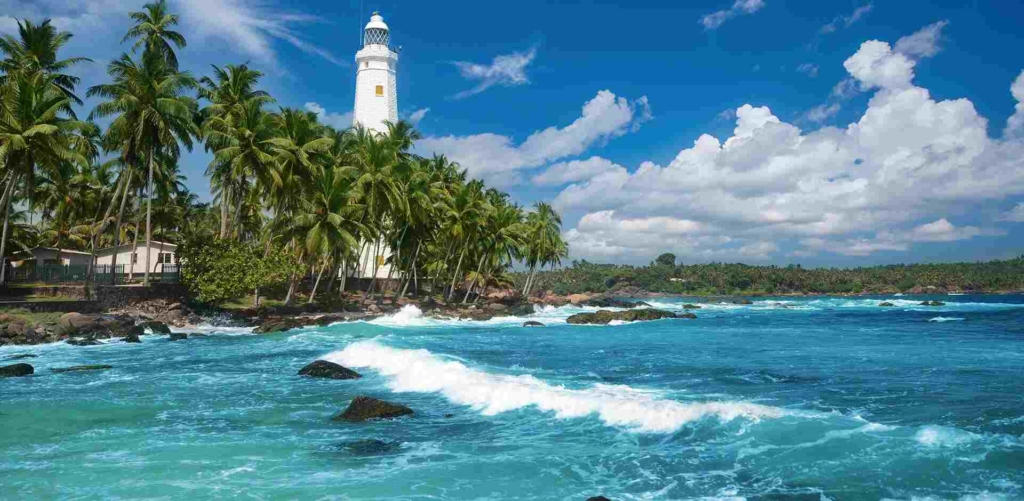
From June to August, we move to Galle, a UNESCO-listed fort city (pop. 100,000) on the southwest coast. Its Portuguese, Dutch, and British heritage shines in 400-year-old ramparts and colorful colonial buildings housing trendy cafés and boutiques. Wandering the fort’s lanes at dusk, we watch young cricketers play, a nod to Sri Lanka’s British legacy. Galle’s expat community, the largest in Sri Lanka, supports international schools, sports clubs, and festivals like the Galle Literary Festival. We rent a fort apartment for $850/month, savoring hoppers (pancakes) at local stalls ($1-$2) and sunset cocktails at heritage hotels ($5-$8).

Beyond the Big Two: Exploring Sri Lanka

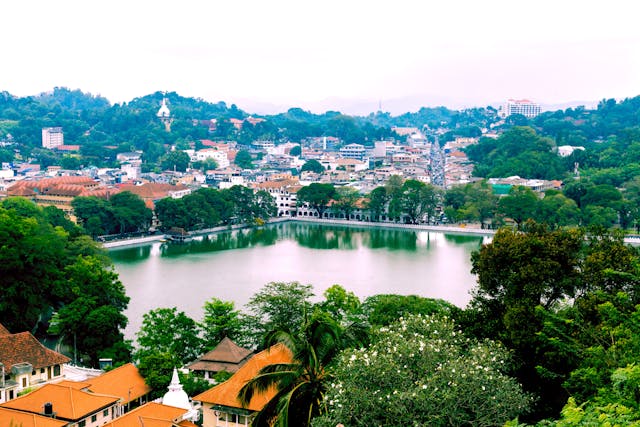
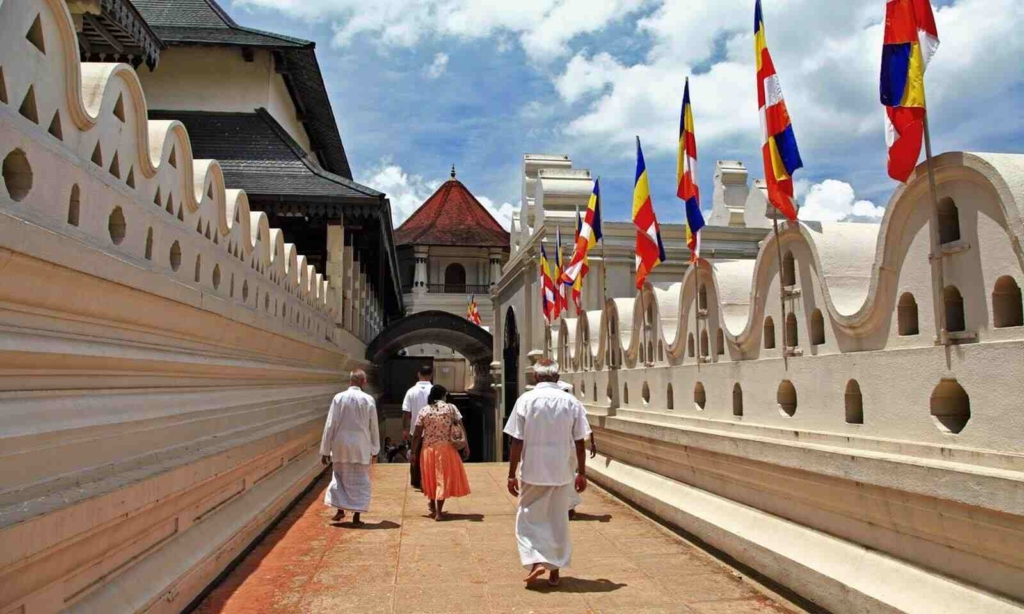
After Galle, we roam. Hikkaduwa’s vibrant beaches, a 30-minute drive, offer surfing and nightlife ($390/month for a near-beach rental). Colombo, the capital, blends chaotic markets with colonial gems like the Galle Face Hotel (opened 1864), where high tea costs $10. The six-hour train to Kandy’s hill country ($4 first class) winds through tea plantations, revealing misty valleys. In Nuwara Eliya, the Hill Club’s colonial charm (jacket required post-7 p.m.) includes hot water bottles for chilly 10-15°C nights. Sigiriya’s 5th-century rock fortress, a near-vertical climb, stuns with ancient ruins and panoramic views, rivaling any world wonder. These adventures, affordable and diverse, keep Sri Lanka endlessly captivating.

Daily Life: Healthy, Affordable, and Vibrant

sri lanka daily life

Sri Lanka’s lifestyle promotes wellness. We surf, scuba dive ($30/dive), or hike in Yala National Park, spotting peacocks and sloth bears. In Galle, tennis clubs and yoga studios ($5-$10/session) thrive, while Colombo’s golf courses beckon. Dining is a joy, Colombo’s Ministry of Crab serves Michelin-worthy crab ($20-$30) with bibs, while the Kingsbury Hotel’s Sunday brunch ($40) offers champagne, lobster, and oysters. Local sodas serve kottu roti for $2, and markets yield mangoes for €0.50/kg. Colonial hotels like Mount Lavinia (1877) offer affordable luxury, $80/night feels like a time warp.

Cricket matches, especially against India or England, electrify crowds; even novices get swept up in the fervor ($5 tickets). We avoid self-driving due to chaotic buses but hire drivers for $70/day, navigating safely. Home help, like maids or gardeners, costs $10/day, easing daily chores. Our total budget ($1,800-$2,700/month) covers rentals, food, and activities, leaving room for indulgences like spa days ($20). 

Visas: Easy and Flexible

visas easy and flexible

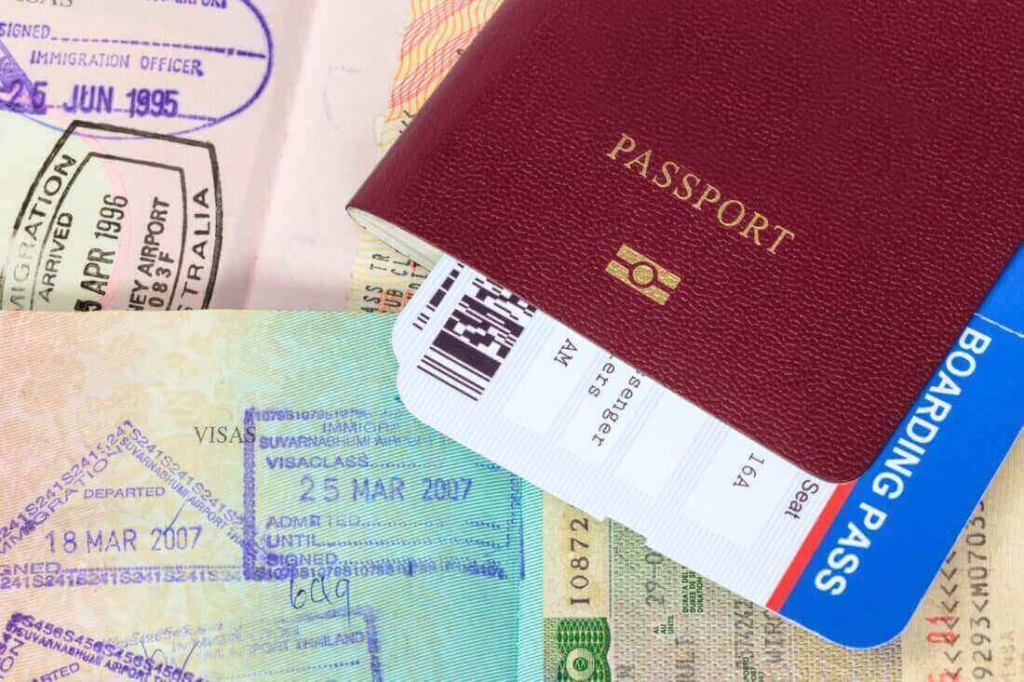
Sri Lanka’s visa policies are expat-friendly. The My Dream Home retirement visa (age 55+) requires a $15,000 bank deposit and $1,500/month income ($750 for a spouse), granting two-year stays. We opt for the Electronic Travel Authorization (ETA, $50), valid for 30 days and extendable online: 60 days ($100), then 90 days (free for U.S. citizens, $150 others), and another 90 days ($200), totaling nine months. Required documents include a passport, return ticket, and accommodation details. This suits our itinerant lifestyle, splitting time with Bali and Thailand, and aligns with 30% of retirees who prefer flexibility.

Infrastructure and Healthcare: Growing Stronger

Sri Lanka’s infrastructure is improving. The new Bandaranaike International Airport terminal, set for late 2025, will handle A380s, easing travel. Expressways connect Colombo to Galle (1.5 hours, $5 bus), and 4G internet (20-50 Mbps, $10-$20/month) supports remote work. Private hospitals like Durdans (Colombo) and Asiri (Galle) offer U.S.-standard care at half the cost, $50 for a specialist visit, $200 for minor surgeries. Public hospitals charge expats nominal fees ($10-$20). Pharmacies stock generics at low prices, and expat-friendly clinics ensure retirees feel secure. 

Challenges and Rewards

Challenges exist: monsoons bring heavy rain, requiring planning, and bureaucracy can be slow (carry patience for visa extensions). Power outages occur in rural areas, though solar backups ($100-$300) help. Learning Sinhala or Tamil enhances local bonds but isn’t essential, as English suffices in tourist hubs. The rewards, affordable living, natural beauty, and warm communities, far outweigh these hurdles. Locals share sambol at festivals, and expats connect at Arugam Bay’s surf classes or Galle’s book clubs, creating a global village.

Final Thoughts

Sri Lanka, as Arthur C. Clarke knew when he retired here in 1956, is a rare gem. Its beaches, UNESCO sites, and low costs ($1,000-$2,700/month) offer retirees freedom and adventure. Whether surfing in Arugam Bay, wandering Galle’s fort, or marveling at Sigiriya, every day feels vibrant. The diaspora’s return and infrastructure growth signal a bright future, yet Sri Lanka retains its soul, kind locals, wild elephants, and powdery sands. For us, it’s not just a retirement destination; it’s a joyful, purposeful home. Visit for 30 days, extend to nine months, and let Sri Lanka weave its magic. To learn more or start your journey, feel free to contact us.

FAQ: Living in Sri Lanka as an Expat

1. How much does it cost to live in Sri Lanka?

A couple can live comfortably on $1,800-$2,700/month, including rent ($390-$850 for a one-bedroom), groceries ($150-$250), and dining out ($2-$40/meal). Singles need $1,000-$1,500. Local markets and eateries keep costs low.

2. Is Sri Lanka safe for expats?

Yes, it’s very safe, with low violent crime and minimal petty theft in tourist areas. Police are approachable, and communities like Galle and Arugam Bay feel secure day or night.

3. Do I need to speak Sinhala or Tamil?

English is widely spoken in tourist hubs and among younger locals. Learning basic Sinhala (e.g., ayubowan for hello) via apps or classes ($5-$10/hour) deepens connections, especially upcountry.

4. What’s the visa process for long-term stays?

The My Dream Home visa (55+, $15,000 deposit, $1,500/month income) grants two-year stays. Alternatively, an ETA ($50, 30 days) extends to 270 days ($100-$200). Apply online at www.eta.gov.lk with a passport, ticket, and accommodation details.

5. How’s the healthcare system in Sri Lanka?

Private hospitals like Durdans (Colombo) and Asiri (Galle) offer high-quality care ($50-$200 for visits or procedures). Public hospitals charge expats $10-$20. Private insurance costs $30-$50/month.

6. Can foreigners rent or buy property?

Yes, renting is easy ($250-$850/month). Foreigners can buy condos or lease land long-term; a beachfront villa costs $100,000-$300,000. Taxes are low ($100-$500/year). Use a local lawyer for purchases.

7. How’s the infrastructure for expats?

The Internet (20-50 Mbps, $10-$20/month) supports remote work. New expressways and a 2025 airport upgrade ease travel. Hired drivers ($70/day) are safer than self-driving due to chaotic traffic.

8. How do I connect with expats and locals?

Join Galle’s literary festivals, Arugam Bay’s surf classes, or Colombo’s expat meetups via Facebook groups like “Expats in Sri Lanka.” Local markets, cricket matches, and sodas foster friendships with welcoming Ticos.

About International Property Alerts


International Property Alerts is a premier global platform connecting real estate investors with handpicked opportunities in emerging and lifestyle-driven markets. Through curated listings, expert guidance, and market insights, we help buyers make confident property decisions worldwide.

Media Contact:

 rentals in the Philippines

Phone: +4477 1923 8132
📱 WhatsApp: +63927 073 9530
Email:
office@internationalpropertyalerts.com
Related Post

Discover Prime Global Opportunities

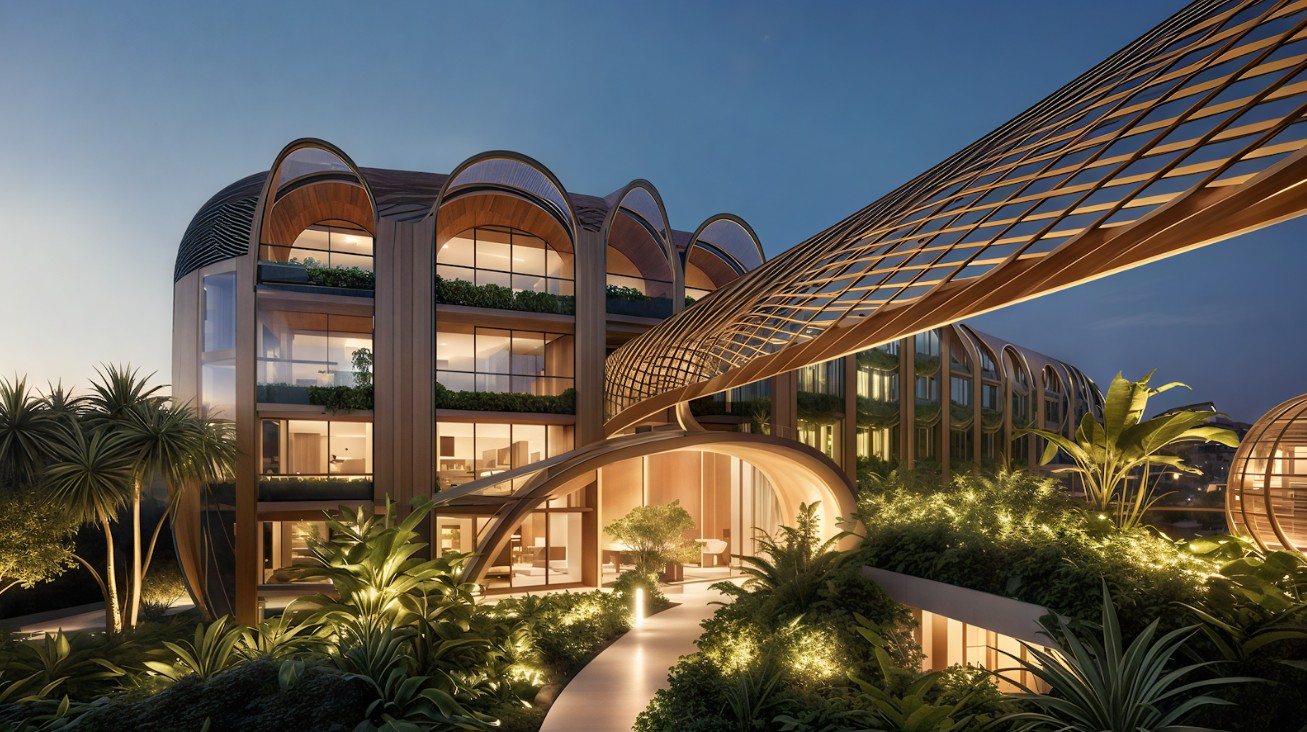
Elle Resort & Beach Club – Your Prime Beachfront Investment

Elle Resort & Beach Club offers a rare chance to own property in one of the most desirable coastal locations. With limited units, strong capital growth potential, and unmatched resort facilities, this is your opportunity to secure a beachfront lifestyle with long-term value.
Smarter Property Investments Start Here

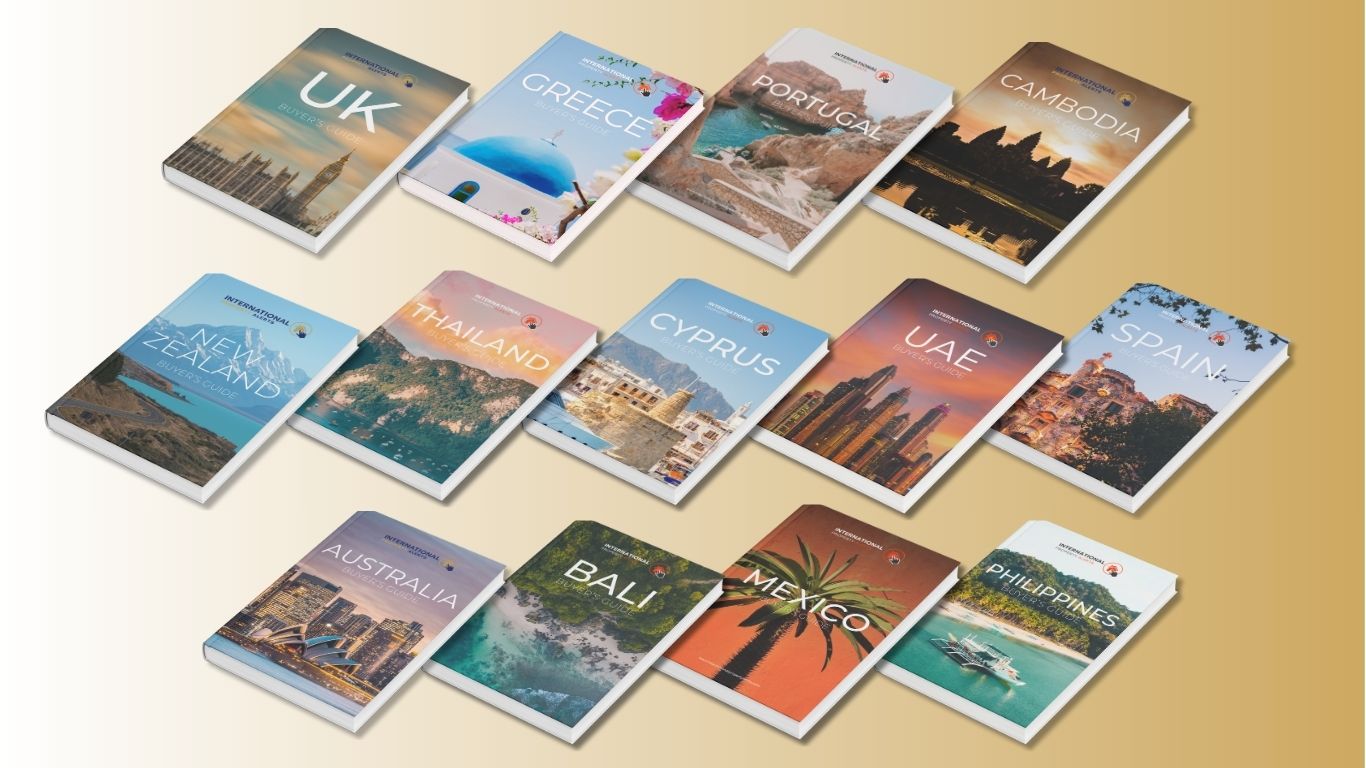
Thinking about buying property abroad? Don’t make the move without the right knowledge. Our Free Buyers Guide gives you essential insights on legal steps, taxes, financing, and the best markets worldwide. Trusted by international buyers and investors.

Your Perfect Home Awaits at Sudara Residences

Wake up to bright, spacious living with stunning views and modern comforts. Whether for family living, retirement, or a stylish retreat, Sudara Residences makes your dream home a reality
Own a Piece of Cambodia’s Thriving Property Market

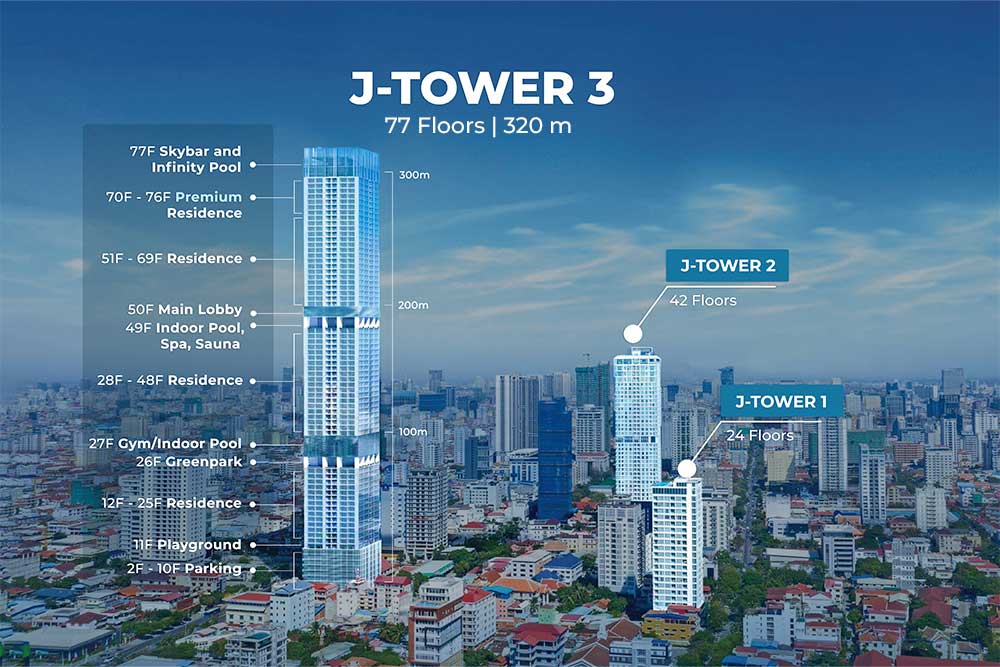
Discover curated property listings with IPS—residential, commercial, villas, land—and get expert guidance through every step.
BONUS: FREE Cambodia Buyer’s Guide

Grow Your Business - Advertise in a Prime Spot

High visibility. Targeted audience. Maximum exposure. Rent this space and let your brand shine.

Got Properties to Sell?

Get your properties in front of high-intent investors. Showcase your listings to buyers worldwide.

Exchange Without Borders

From pounds to pesos, yen to dollars. ⚡ Quick. Easy. Secure.

Share Article To:

Facebook
WhatsApp

Compare listings

Compare