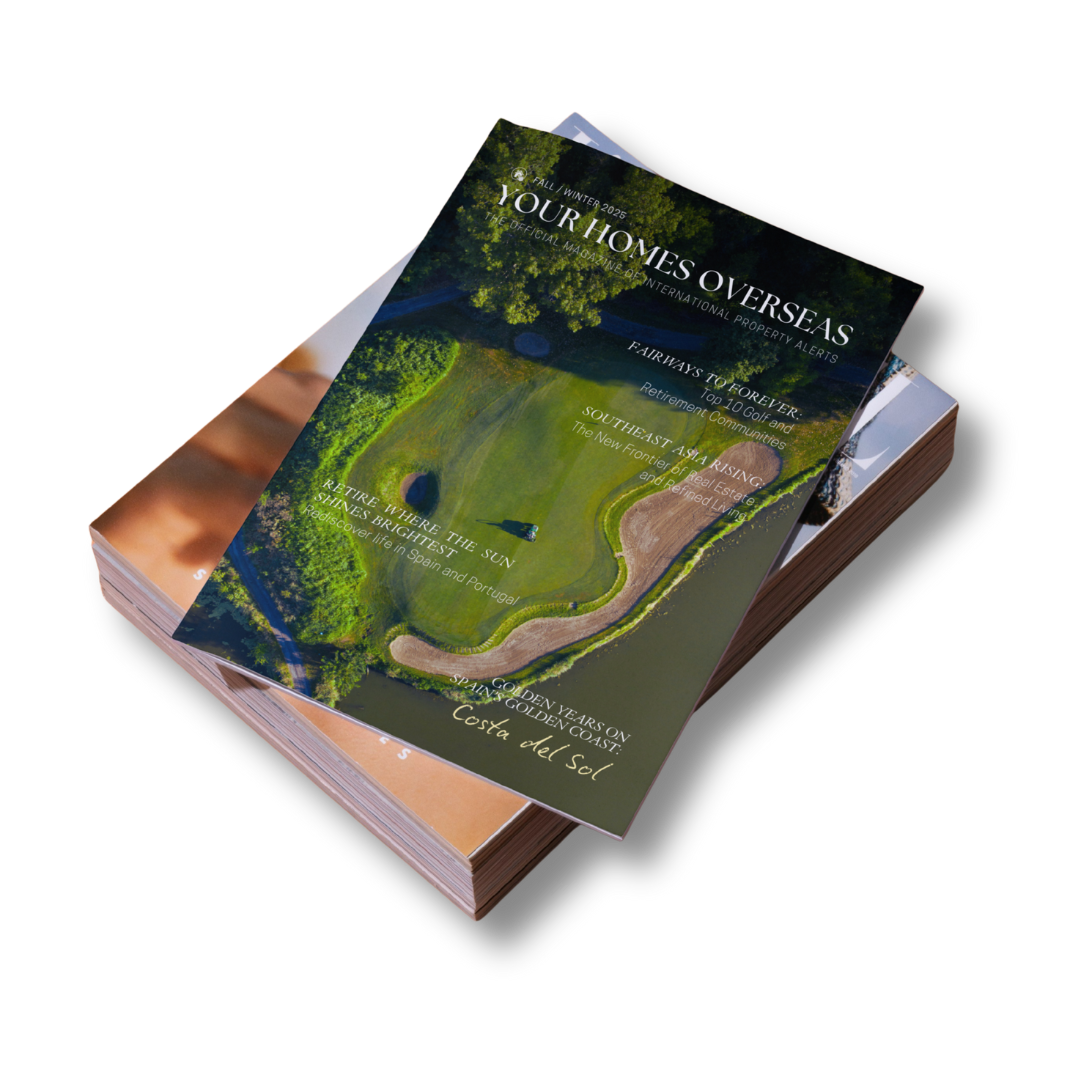
Discover the best destinations, property tips, and lifestyle insights from around the world.
GET YOUR FREE MAGAZINE HERE!
Phnom Penh, Cambodia’s vibrant capital, is a city where ancient temples coexist with gleaming skyscrapers, and traditional markets hum alongside modern apps. Arriving on a Sunday night via a sleek, electric tuk-tuk, booked effortlessly on my smartphone, I was struck by the city’s transformation since my last visit over two decades ago. Gone are the smoky, clattering tuk-tuks of the past, replaced by eco-friendly rides navigating a bustling metropolis of three million. Yet, the soul of Phnom Penh remains unchanged: a blend of history, warmth, and relentless energy. From the glowing Royal Palace to the lively Mekong riverside, this city captivates with its contrasts. Here’s an in-depth exploration of Phnom Penh’s allure, challenges, and practicalities for expats, complete with a FAQ for those considering a move. If you’re also browsing property options, check out best international property listing websites for possible homes abroad.
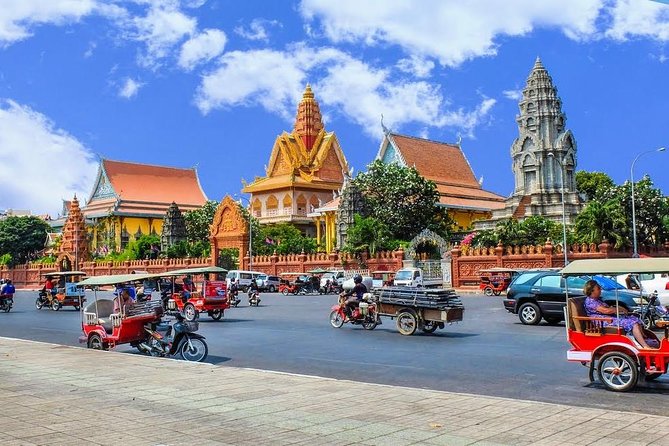
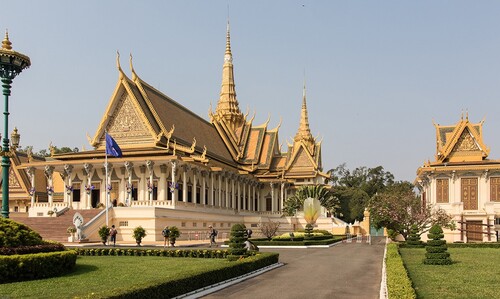
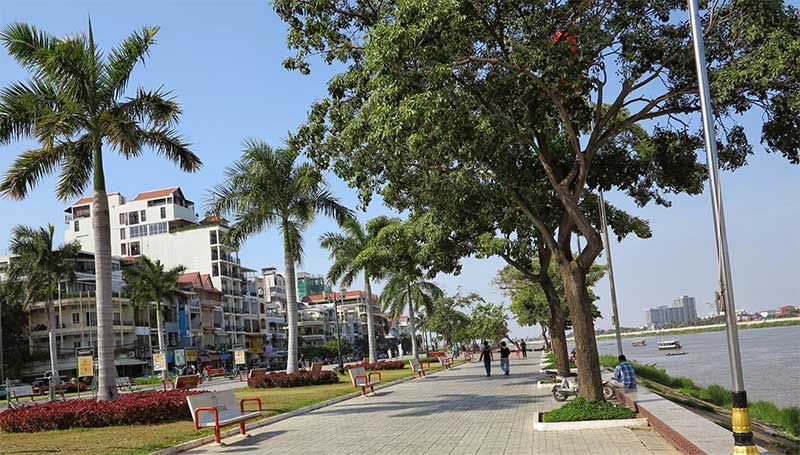
Stepping off the tuk-tuk, I marveled at the skyline. Skyscrapers reflect the golden glow of the Royal Palace, a majestic symbol of Cambodia’s heritage, while French colonial mansions bask in the light of the Independence Monument, marking the end of colonial rule. The streets pulse with life, cyclos (pedal-powered rickshaws), motorbikes, and luxury SUVs weave through traffic, heading to markets, temples, or rooftop bars. On weekends, the Mekong riverside transforms into a vibrant walking street, where families, teens, and lovers share ice cream, dance, and feast under the stars. Sipping a Hanuman draught beer at a chic rooftop bar, munching kaffir lime-roasted peanuts, I felt an instant connection to this eclectic, welcoming city.
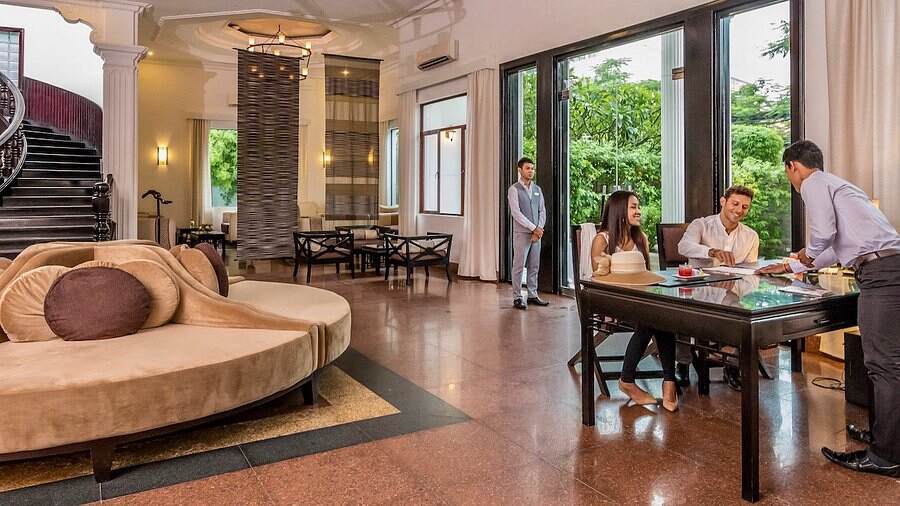
My home base, the White Mansion boutique hotel, is a nod to Phnom Penh’s colonial past. Once the U.S. Embassy, this 2012-converted property boasts ornate crown molding, red marble floors, and grand staircases. During the low season, the manager upgraded me to a suite with a sprawling balcony shaded by frangipani trees, overlooking the trendy Street 240. I pictured diplomats sipping gin and tonics here, debating global affairs in the tropical heat. The staff’s warm hospitality, though initially overwhelming, made me feel like royalty. Breakfast at Le Café was a highlight: as a former French colony, Cambodia excels at fresh croissants and baguettes, but I opted for the Khmer sour noodle soup with shrimp, a tangy, authentic start to the day.
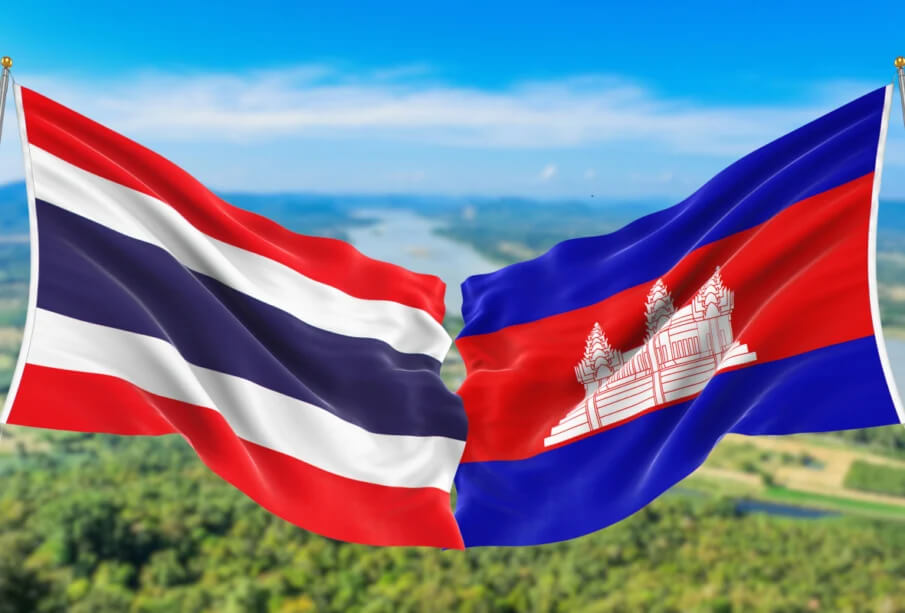
As a 25-year resident of Thailand, I expected similarities, but Cambodia stands apart. Unlike Thailand’s left-side driving, Cambodia follows the U.S. model with right-side roads, left-side steering wheels. Traffic is chaotic yet oddly calm, with no rush to speed. Vehicles range from pedal rickshaws to “remorques” (motorcycle-drawn carriages), tuk-tuks, and luxury Bentleys. Remarkably, I saw no accidents in a week, unlike Thailand’s daily fender-benders. Main roads and sidewalks are in better condition, though walkability is limited. Sidewalks double as parking lots or food stalls, requiring nimble navigation.
Public transport is limited, but ride-hailing apps like Grab and Pass make getting around easy, with tuk-tuk rides costing about $1 and air-conditioned cars around $3. Payments mix U.S. dollars and Cambodian Riel (4,000 Riel = $1), with dollars used most often and Riel saved for small change since there are no coins. Khmer, with its 74-letter alphabet, is very different from Thai, though English is widely spoken among younger Cambodians. For a regional perspective, you might also enjoy these fun facts about Thailand.
My first days were a whirlwind of sightseeing: the ornate Royal Palace, the artifact-rich National Museum, the sobering Tuol Sleng Genocide Museum, and quirky markets. But the monsoon rains and intense heat took a toll. After feeling feverish, I assumed it was exhaustion and retreated to my hotel. By morning, I felt battered. Contacting my trusted Bumrungrad Hospital in Bangkok, they recommended Intercare Medical Center in Phnom Penh’s upscale BKK1 neighborhood.
At Intercare, I was impressed by the modern facility and Dr. Heng Leakhena, a young Cambodian doctor fluent in English. She accessed my Bangkok medical records instantly, conducted a thorough exam, and diagnosed dengue fever, a mosquito-borne virus common in the rainy season. After blood tests and a two-night hospital stay for observation, I left with a bill under $400, seamlessly covered by my insurance. The efficiency and affordability were a stark contrast to Western healthcare, reinforcing Cambodia’s appeal for expats.
Post-hospital, I explored BKK1, a hub for expats with its cafes, grocery stores, and modern condos. I met Tom O’Sullivan, Director of Realestate.com.kh, an Australian expat with deep knowledge of Cambodia’s property market. “27-year-old Tom explained that Phnom Penh attracts working expats (corporate and NGO professionals), digital nomads, and a small retirement community (13% North American, the rest European, Australian, and Asian). Many retirees prefer quieter cities like Siem Reap or Kampot, but Phnom Penh’s affordability compared to Bangkok or Ho Chi Minh City draws younger professionals.
Cambodia’s property laws are more foreigner-friendly than Thailand’s. Foreigners can own up to 70% of a condo building (above ground floor), compared to Thailand’s 49%. Land ownership is possible via 50-year renewable leaseholds, Cambodian land-holding companies (49% foreign-owned), or trust companies registered with the Ministry of Economy and Finance, offering secure land ownership. Condo prices average $1,800/m² ($171/ft²): $70,000 for a studio, $120,000 for a one-bedroom, $160,000 for a two-bedroom, and $290,000 for a three-bedroom.
With agents Rith and Khim, I toured rental options. BKK1 is the expat favorite, with modern apartments near Western-style shops and restaurants. One-bedroom rentals start at $750/month, two-bedrooms at $1,400, and larger units exceed $2,500. For budget-conscious expats, Toul Tom Poung (TTP) near the Russian Market offers a “bohemian” vibe, with one-bedrooms at $400, two-bedrooms at $800, and larger units at $1,200+. I also viewed a dated riverside loft in Daun Penh for $350/month, but its need for renovation and tourist-heavy traffic deterred me. My top pick was a pristine one-bedroom at Richardson’s Serviced Apartments in BKK1 for $650/month, with marble floors, a rooftop pool, and a gym. Phnom Penh’s compact size makes affordable neighborhoods like TTP, BKK2, or Tonle Bassac accessible to upscale areas via cheap rides.
Housing is the biggest expense, but food is reasonable. Grocery stores like Lucky Supermarket (Hong Kong-owned), Aeon (Japanese hypermarket), and Super Duper (Canadian, 24-hour) offer Western products. Local markets have hygiene challenges, so I’d stick to supermarkets. A single person cooking at home spends about $300/month, couples around $450. Alcohol is a bargain, local beers cost $0.60, and imported wines are half U.S. prices.
Dining out ranges from $1.50 for fried chicken feet and a beer at a Khmer eatery to $57 for a gourmet meal at Malis, a serene Khmer restaurant with scallops and Amok Fish. Phnom Penh’s culinary scene is diverse, with Greek, Italian, Indian, and Cuban options, thanks to easy business permits. Electricity costs $0.25/kWh, comparable to U.S. cities, but air conditioning can inflate bills in the tropical heat. Transportation is cheap. $100/month covers frequent rides. A single person can live well for $2,000/month, a couple for $2,500.
Phnom Penh’s urban energy suits those who thrive in bustling cities. It’s smaller than other Southeast Asian capitals, blending modern condos with historic gems like the White Mansion or the Foreign Correspondents’ Club, preserved for all to enjoy. The warm, English-speaking locals make it welcoming, especially for digital nomads, entrepreneurs, and adventurous retirees. While not as polished as Bangkok, its compact size, affordability, and cultural depth make it a city that grows on you. For tailored guidance on moving or investing here, feel free to contact us for expert support.
A single person can live comfortably for $2,000/month, including rent ($400-$750), food ($300), and transport ($100). Couples need around $2,500. Upscale areas like BKK1 are pricier; budget-friendly TTP is cheaper.
No, many Cambodians, especially younger ones, speak English. However, learning basic Khmer helps with daily interactions and integration. Thai language skills don’t transfer, as Khmer is distinct.
Yes, it’s generally safe, with less aggressive traffic and fewer accidents than other regional cities. Petty crime exists, so stay cautious in crowded areas like markets or the riverside.
Rentals are plentiful in BKK1 and TTP, with options from $400-$2,500/month. Use agencies like Realestate.com.kh and expect one month’s deposit. Foreigners can own condos or secure land via trusts or leaseholds.
Private hospitals like Intercare offer modern care, with costs like a $400 hospital stay. Public healthcare is limited, so expats rely on private facilities and insurance. Proximity to Bangkok’s hospitals is a backup.
Yes, business visas and work permits are affordable and straightforward. Phnom Penh attracts digital nomads, NGO workers, and entrepreneurs, with a diverse expat community (13% North American).
No public transport exists, but Grab and Pass apps offer tuk-tuks ($1) and sedans ($3). Traffic is busy but manageable, and sidewalks are often obstructed, making ride-hailing the best option.
Phnom Penh hosts working expats (corporate, NGO), digital nomads, and some retirees. BKK1 is the expat hub, while retirees often prefer quieter cities like Siem Reap or Kampot.
About International Property Alerts
International Property Alerts is a premier global platform connecting real estate investors with handpicked opportunities in emerging and lifestyle-driven markets. Through curated listings, expert guidance, and market insights, we help buyers make confident property decisions worldwide.
Media Contact:

Phone: +4477 1923 8132
📱 WhatsApp: +63927 073 9530
Email: office@internationalpropertyalerts.com
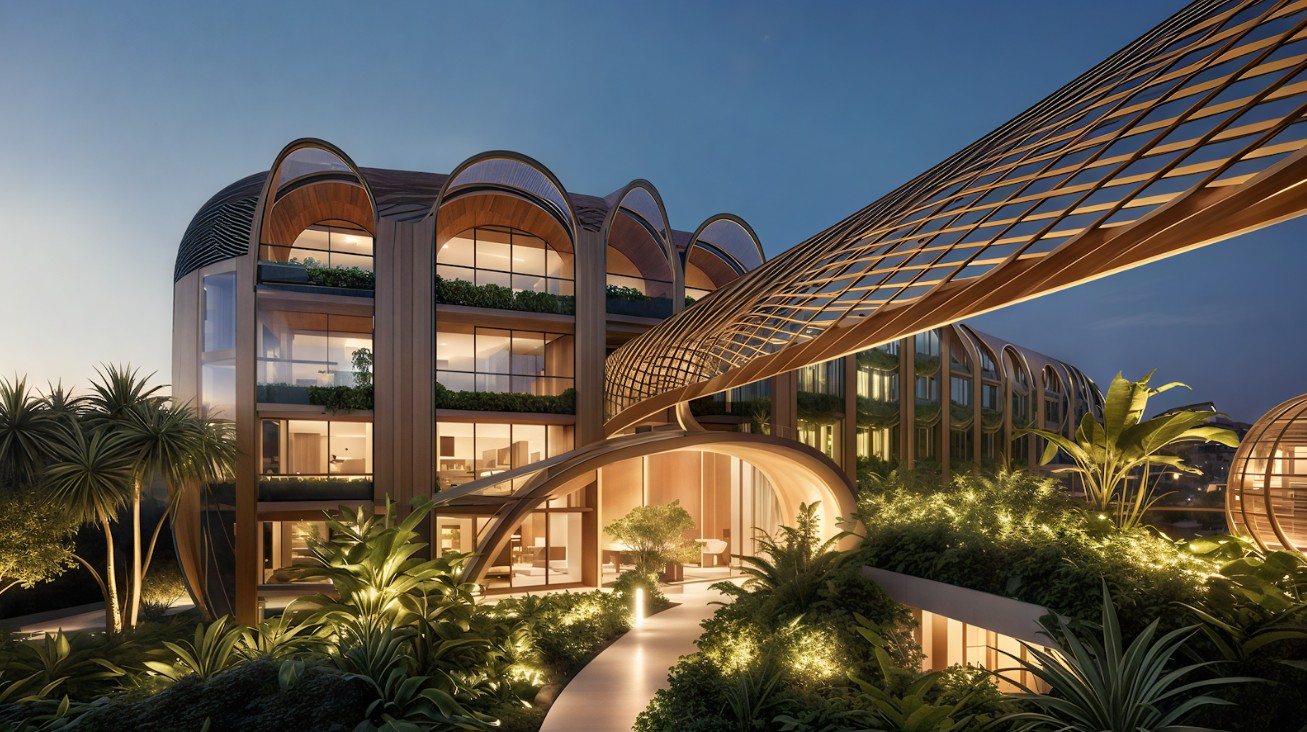
Elle Resort & Beach Club offers a rare chance to own property in one of the most desirable coastal locations. With limited units, strong capital growth potential, and unmatched resort facilities, this is your opportunity to secure a beachfront lifestyle with long-term value.
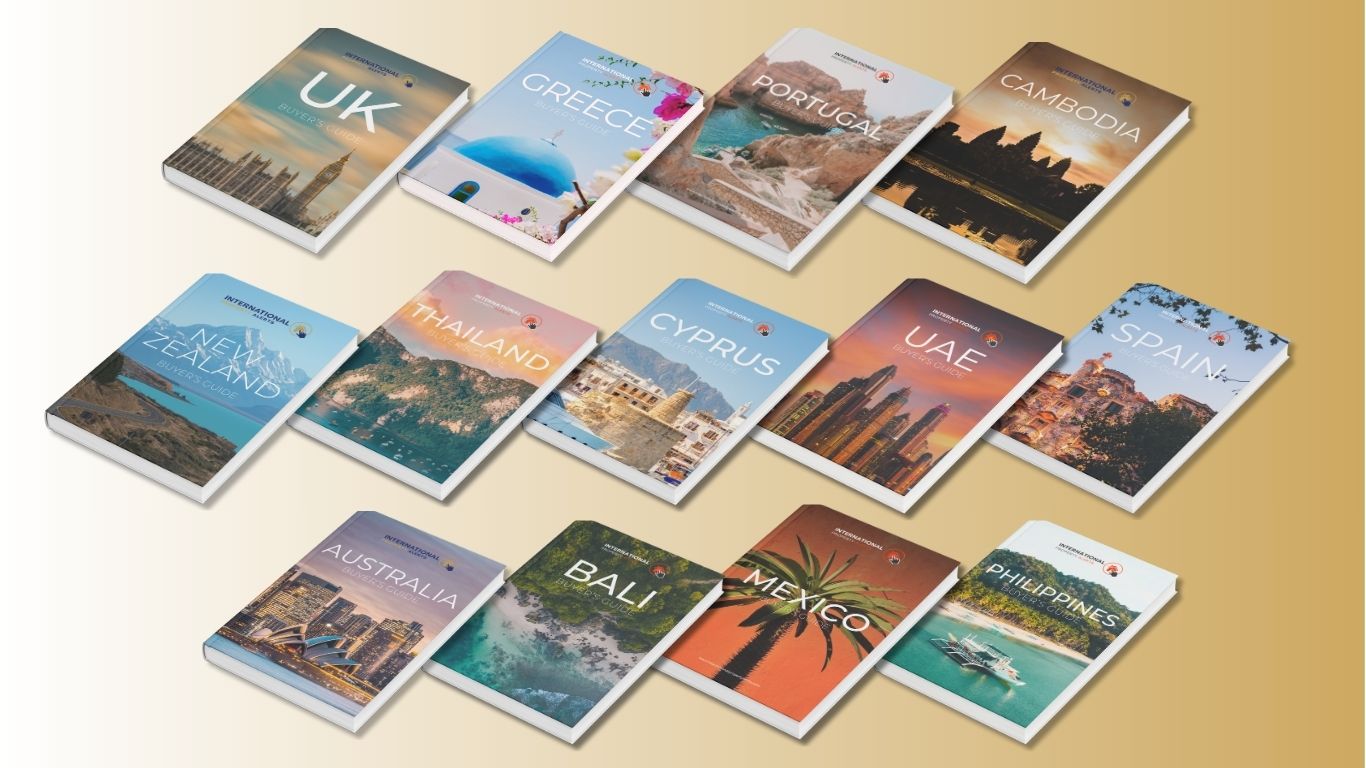
Thinking about buying property abroad? Don’t make the move without the right knowledge. Our Free Buyers Guide gives you essential insights on legal steps, taxes, financing, and the best markets worldwide. Trusted by international buyers and investors.
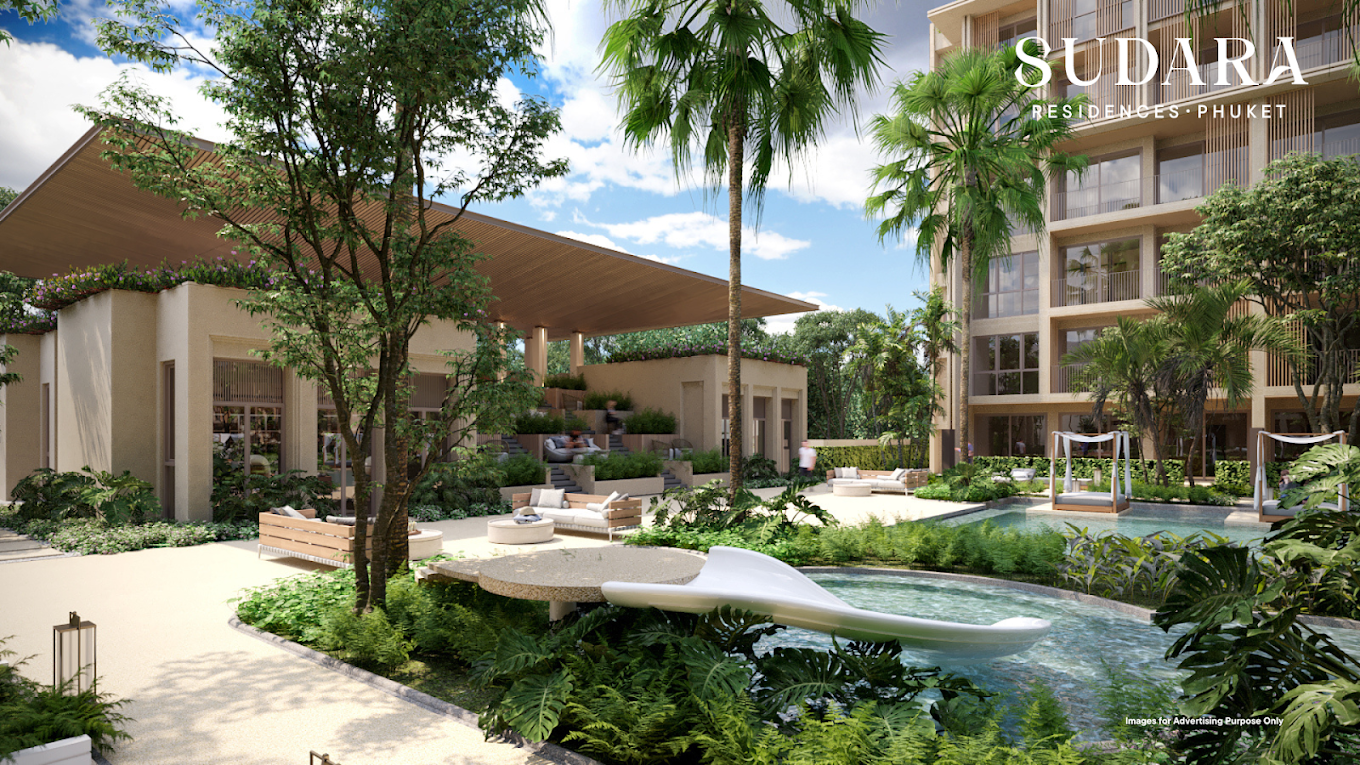
Wake up to bright, spacious living with stunning views and modern comforts. Whether for family living, retirement, or a stylish retreat, Sudara Residences makes your dream home a reality
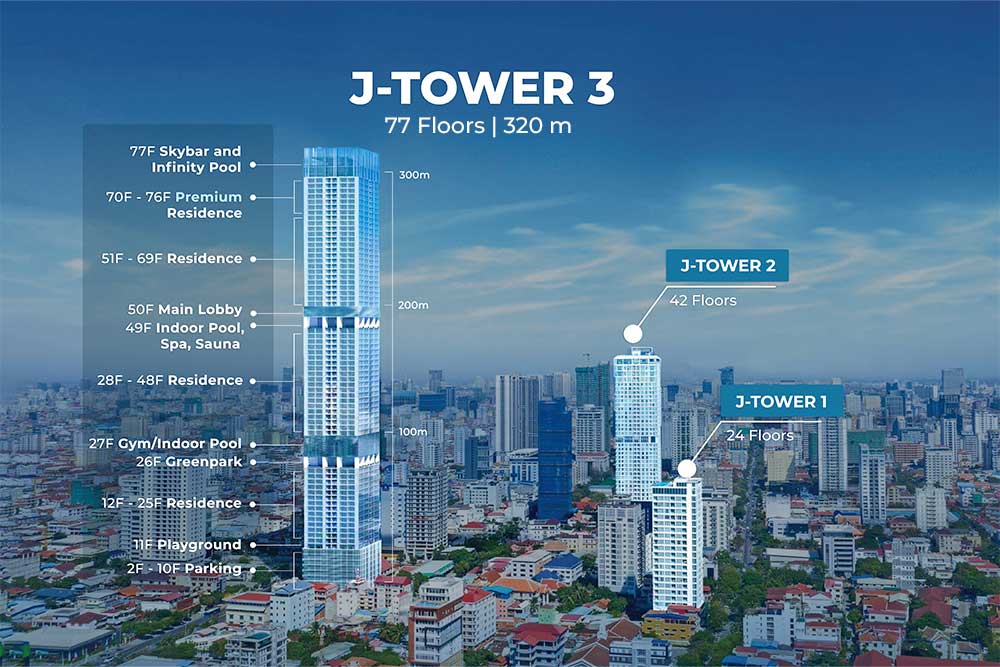
Discover curated property listings with IPS—residential, commercial, villas, land—and get expert guidance through every step.
BONUS: FREE Cambodia Buyer’s Guide

High visibility. Targeted audience. Maximum exposure. Rent this space and let your brand shine.

Get your properties in front of high-intent investors. Showcase your listings to buyers worldwide.
From pounds to pesos, yen to dollars. ⚡ Quick. Easy. Secure.
Compare listings
ComparePlease enter your username or email address. You will receive a link to create a new password via email.