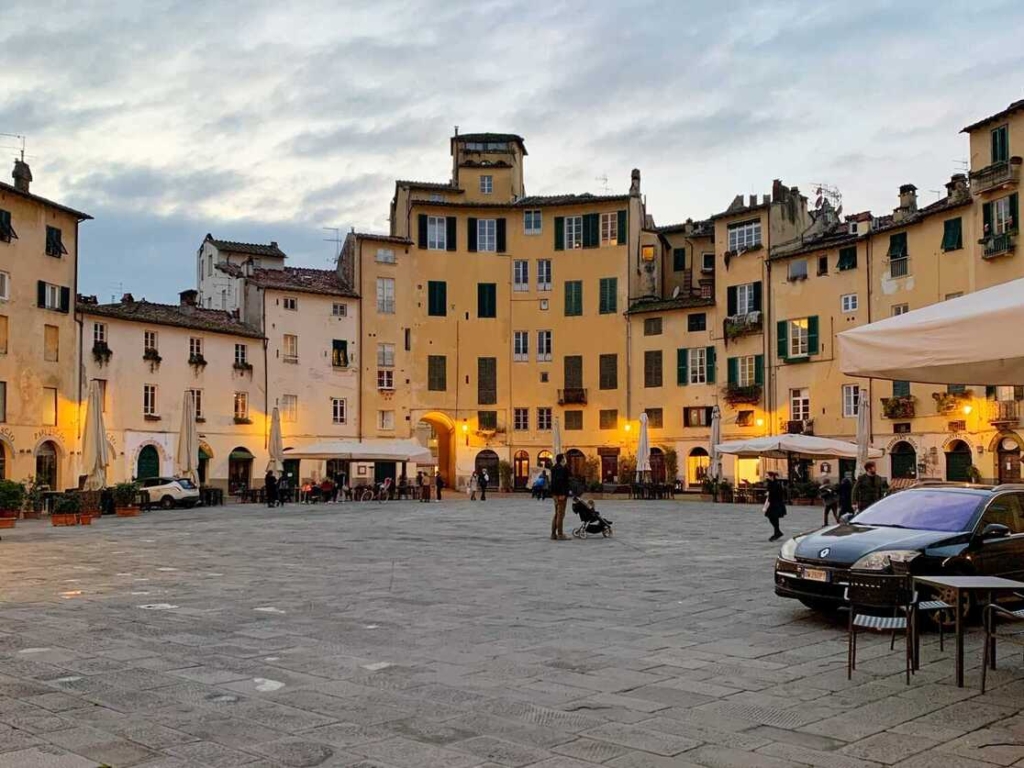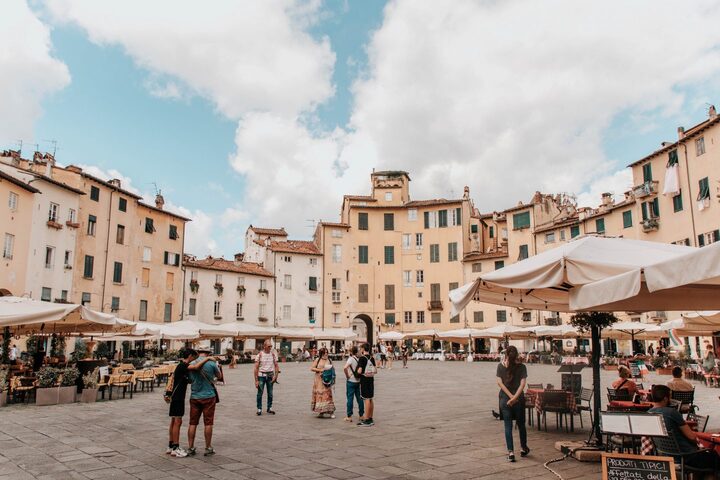
Lucia’s love for Italy began in 2008, when a friend’s wedding brought her to Lucca, a walled Tuscan gem. Growing up in San Francisco, she’d heard Californians rave about Italy’s charm, but she doubted it could live up to the hype. Yet, strolling Lucca’s cobblestone streets, tears of awe welled up, she was smitten. Now, after moving to Italy in 2014, Lucia has called this ancient city home, weaving music, community, and a slower life into her vibrant expat story. From Rome’s bustle to Liguria’s seaside villages, her journey reflects Italy’s magic and challenges. For those dreaming of an Italian escape, exploring an international real estate listing can be the first step toward finding your place. Here’s why Lucca became her haven, how she thrives on Italian wages, and a FAQ for those considering life abroad.
Lucia’s first visit to Lucca in 2008 was transformative. The city’s medieval walls, Renaissance palaces, and lively piazzas felt like a fairytale. After returning to San Francisco, where she managed a dance and fitness company and worked in software, Italy lingered in her dreams. Fate intervened when she fell in love with an Italian man. In 2014, she moved to Italy to join him, marrying soon after. Though their marriage ended after five years, derailing her citizenship bid, Lucia secured a work visa, then long-term residency, and stayed.
She explored Italy’s diversity: Rome’s chaotic culture, Liguria’s serene coastal villages, and Milan’s urban buzz. In 2025, she’s back in Lucca, “Tuscany’s gem” (pop. 90,000), where history and modern life blend. Its 4th-century walls encircle a car-free centro storico, alive with cafés, gelaterias, and 11th-century churches like San Michele. Lucia cherishes Lucca’s balance: quiet enough for reflection, vibrant enough for music festivals and markets. Compared to San Francisco’s hustle or Nashville, where she now spends half the year making music, Lucca offers a slower, soulful rhythm. For those inspired by her journey, here’s a guide on how to start a new life in a new country.
In the U.S., Lucia’s value was tied to productivity, building her business, meeting deadlines. “You’re always chasing something,” she says. Italy flipped that mindset. “Here, my worth is who I am, how I connect, how I live.” It took time to shed her American drive, but embracing la dolce vita, savoring long lunches or strolls, was liberating. “My entire being relaxes here,” she notes, contrasting Italy’s focus on relationships with the U.S.’s work-centric culture.
Lucia’s days revolve around community and creativity. As a singer and fiddle player, she performs at Lucca’s summer music festival, records albums, and was thrilled to ace an Italian-language RAI TV interview. Hosting friends for artisanal beers ($2) or Tuscan wines ($5/glass) at her apartment fosters joy. “Italians prioritize sharing, food, laughter, time,” she says. Weekly markets yield fresh ingredients, eggplant, tomatoes, figs, for $17, fueling her love for cooking. A cappuccino at Piazza Anfiteatro costs $2, and pappardelle al cinghiale with wine is $25, making indulgence affordable.
Unlike many expats funded by U.S. dollars, Lucia earns Italian wages, which are lower than American salaries. A bank manager nets €1,500/month ($1,700) after taxes; a doctor earns €4,000 ($4,500). Yet, Italy’s cost of living is manageable. Lucia shares a two-bedroom apartment in Lucca’s centro for $1,000/month (total $2,000, up from $1,150 a few years ago due to tourism). Outside the city, rentals range from $570-$1,150. Buying a two-bedroom centro apartment costs $285,000; rural homes start at $170,000, often needing renovations.
Groceries are a steal: a week’s produce costs $15-$20, and dining out is reasonable, a pizza is $8-$12. Public transport, like buses to Florence ($7, 1.5 hours), is cheap, and biking Lucca’s walls is free. Healthcare is a standout. As a resident, Lucia pays €200/year ($220) for public healthcare, covering hospital stays like her Achilles tendon repair (zero out-of-pocket). Private insurance ($50/month) allows specialist visits ($85-$170). A single person can live comfortably on $1,500-$2,000/month, including rent, far below San Francisco’s $3,500+.
Adapting to Italy’s slower pace was tough for Lucia, accustomed to American efficiency. “If you want to change something, good luck,” she laughs, citing bureaucracy like visa renewals (6-12 months). Learning Italian was essential; her fluency, honed through classes ($10-$15/hour) and market chats, opened doors. Summer tourism (July-August) crowds Lucca, raising prices, but shoulder seasons (April-June, September-October) are tranquil. Rural areas have spotty internet (10-20 Mbps, $30/month), but Lucca’s 50-100 Mbps supports her music uploads.
Despite challenges, Italy’s rewards are immense. The Schengen Area allows 90-day trips to France or Spain, and Lucca’s train station connects to Pisa ($4, 30 minutes) or Rome ($30, 3 hours). The community, expats and locals, embraces newcomers who respect traditions, like Sunday family lunches. Lucia’s Italian friends invite her to festas, sharing homemade tiramisù, while expat meetups at cafés foster connections.
Lucca fuels Lucia’s music. She performs at venues like Teatro del Giglio, blending folk and Italian styles, and collaborates with local artists. Her RAI interview was a milestone, proving her integration. Socially, she hosts gatherings, savoring prosciutto and Chianti under Lucca’s medieval towers. Volunteering at cultural festivals, like Lucca Comics & Games, connects her to locals. “Italians value presence over productivity,” she says, a shift that’s deepened her relationships and self-worth.
Lucia’s journey from San Francisco to Lucca reflects Italy’s enduring allure. The city’s history, affordability, and community have reshaped her life, proving that stepping out of one’s comfort zone can redefine identity. Whether savoring gelato ($2) on Lucca’s walls or fiddling at a piazza concert, she’s found her rhythm. For retirees, nomads, or dreamers, Italy offers a chance to grow, connect, and live richly on less. Visit Lucca for 90 days on a tourist visa, wander its streets, and let Italy’s magic inspire your own story. To plan your own move or get guidance, feel free to contact us.
A single person can live on $1,500-$2,000/month, including rent ($570-$1,150 for a one-bedroom), groceries ($150-$200), and dining out ($8-$25/meal). Couples need $2,500-$3,500. Centro rentals are pricier ($1,800-$2,300 for two bedrooms).
Yes, Lucca is very safe, with low crime rates. The centro is walkable, and petty theft is rare, even during tourist seasons. Police are approachable, and neighborhoods feel secure.
Basic Italian is essential for daily life and bureaucracy, though many locals speak English. Classes ($10-$15/hour) or apps like Duolingo help. Fluency deepens local friendships.
A 90-day Schengen tourist visa requires a passport. Work visas ($1,500-$2,000/month income) or elective residency ($3,000/month) lead to long-term residency (1-2 years). Facilitators ($1,000) ease applications.
Residents pay €200/year ($220) for public healthcare, covering hospital stays and basic care. Private insurance ($50/month) allows specialist visits ($85-$170). Lucca’s hospital is reliable; Florence’s clinics are 1.5 hours away.
Yes, with no restrictions. Rentals range from $570-$2,300/month; a centro apartment costs $285,000, rural homes $170,000+. Taxes are $500-$1,000/year. Hire a lawyer for purchases.
Lucca’s internet (50-100 Mbps, $30/month) supports remote work. Trains to Florence ($7, 1.5 hours) or Pisa ($4, 30 minutes) are efficient. Biking or walking is common; cars cost $150/month to maintain.
Join Lucca’s expat groups on Facebook (“Americans in Tuscany”), attend festivals like Lucca Summer Festival, or volunteer at cultural events. Cafés and markets foster friendships with locals who value shared meals and conversation.
About International Property Alerts
International Property Alerts is a premier global platform connecting real estate investors with handpicked opportunities in emerging and lifestyle-driven markets. Through curated listings, expert guidance, and market insights, we help buyers make confident property decisions worldwide.
Media Contact:

Phone: +4477 1923 8132
📱 WhatsApp: +63927 073 9530
Email: office@internationalpropertyalerts.com

Elle Resort & Beach Club offers a rare chance to own property in one of the most desirable coastal locations. With limited units, strong capital growth potential, and unmatched resort facilities, this is your opportunity to secure a beachfront lifestyle with long-term value.
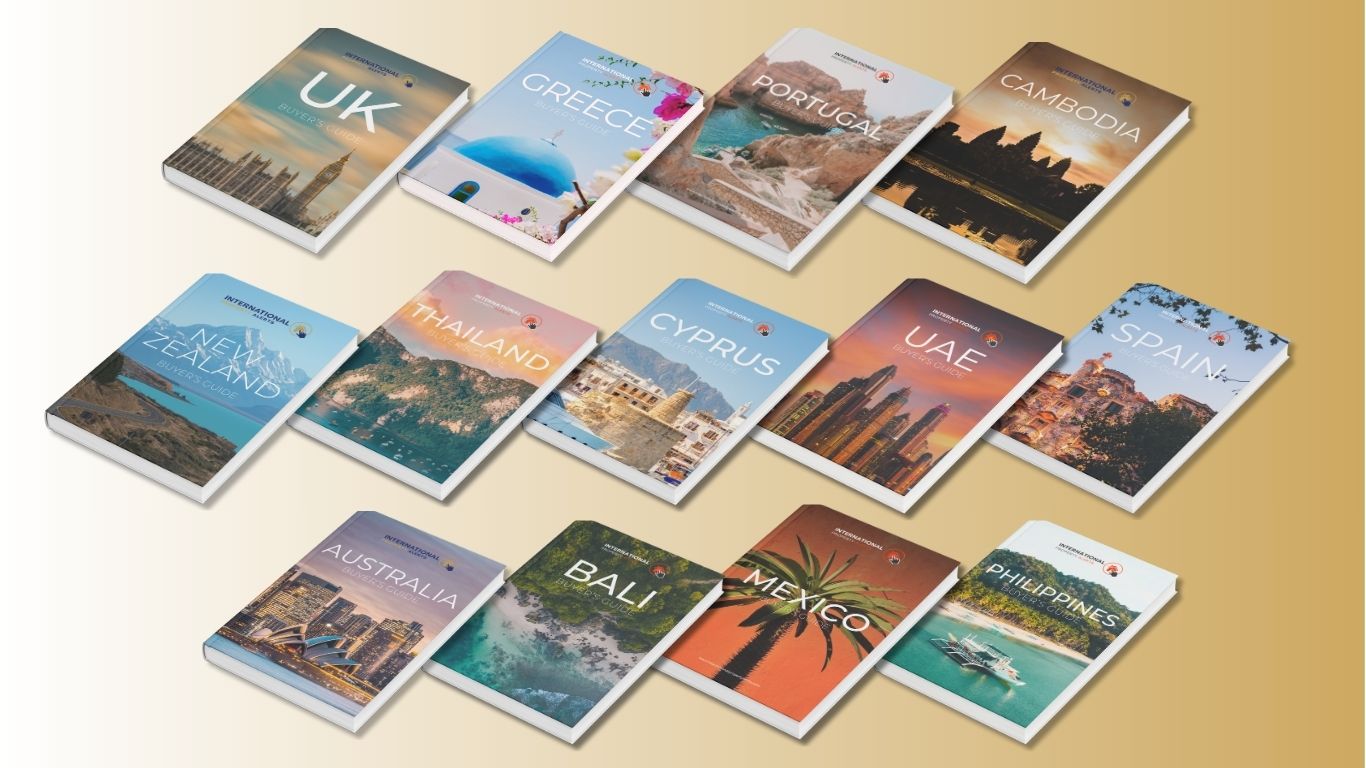
Thinking about buying property abroad? Don’t make the move without the right knowledge. Our Free Buyers Guide gives you essential insights on legal steps, taxes, financing, and the best markets worldwide. Trusted by international buyers and investors.
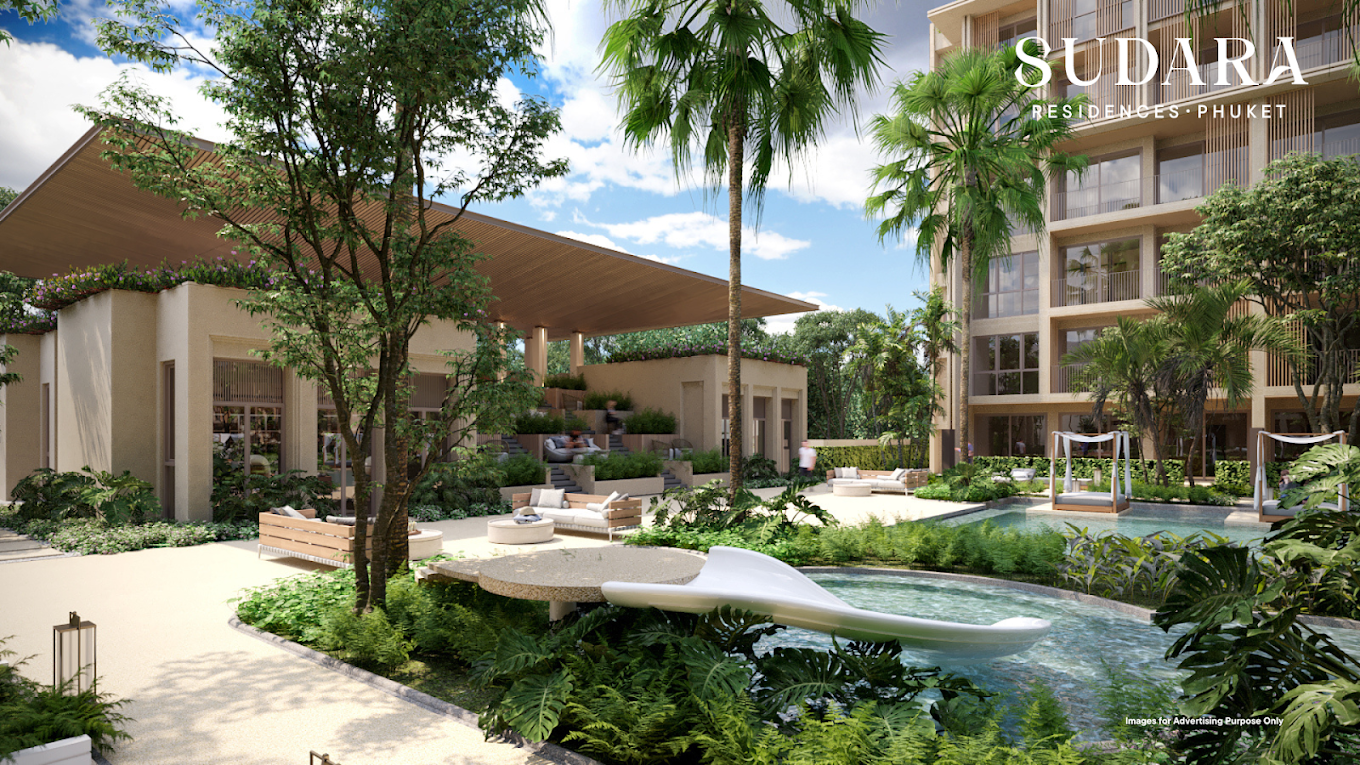
Wake up to bright, spacious living with stunning views and modern comforts. Whether for family living, retirement, or a stylish retreat, Sudara Residences makes your dream home a reality
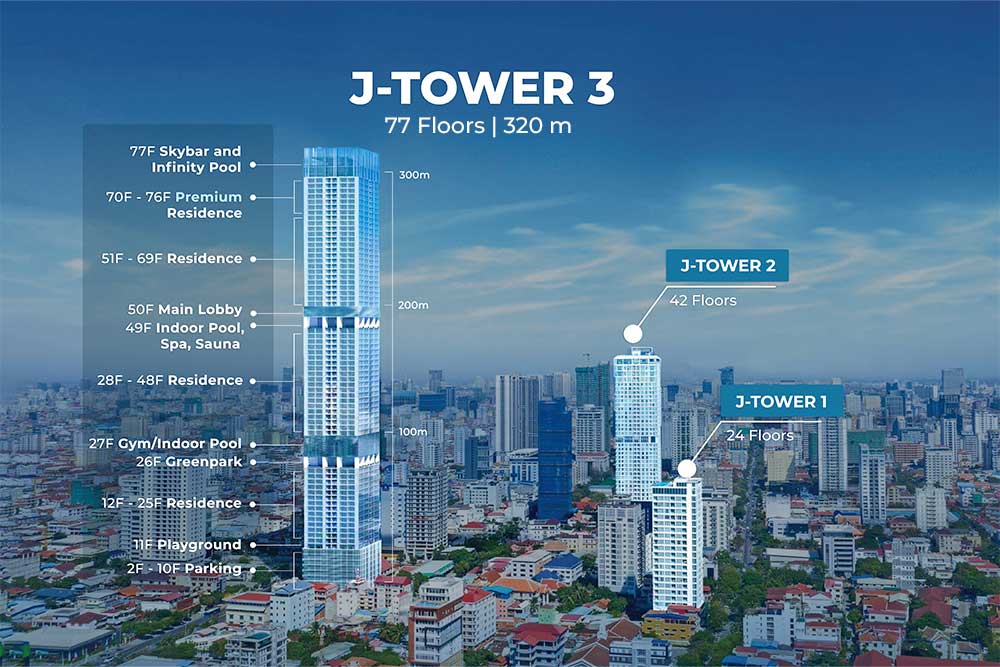
Discover curated property listings with IPS—residential, commercial, villas, land—and get expert guidance through every step.
BONUS: FREE Cambodia Buyer’s Guide

High visibility. Targeted audience. Maximum exposure. Rent this space and let your brand shine.

Get your properties in front of high-intent investors. Showcase your listings to buyers worldwide.

From pounds to pesos, yen to dollars. ⚡ Quick. Easy. Secure.
Compare listings
ComparePlease enter your username or email address. You will receive a link to create a new password via email.