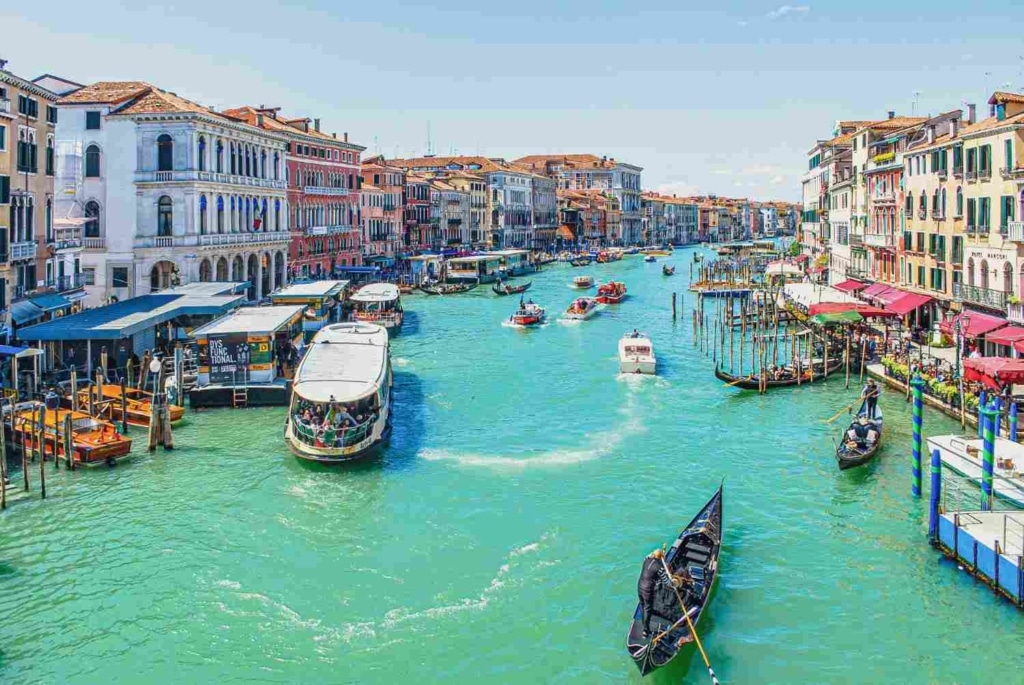
Living in Italy offers a mix of rich culture, fresh food, and scenic views. People enjoy local meals, time with family, and fun with friends. Each region has its own food, customs, and way of life. The pros and cons of living in Italy depend on where you live and what you need. Some people love the calm pace, while others prefer the buzz of a large city.
Daily Life and Local Culture
Food plays a big role in Italian life. Many people shop at local markets for fresh fruit, bread, meat, and cheese. Small cafes also serve as places to meet friends and enjoy a cup of coffee. Family and community are key parts of daily life. People often spend their free time with loved ones or join local events.
Here are some common ways people enjoy their free time:
- Local markets: Shop for fresh food and meet local sellers.
- Family meals: Share food and spend time with loved ones.
- Outdoor trips: Visit beaches, parks, lakes, and hills.
- Local events: Enjoy food fairs, music, and town events.
For those keen on expat living in Italy, learning the local language can help them make friends and feel at home.
City Life vs. Small-Town Life
The living standards in Italy can vary by region. Large cities offer more jobs, shops, schools, and public services. Small towns often have less traffic and a slower pace.
Here are some key points to compare:
- Large cities: Rome and Milan offer more transport links, jobs, and shops. Yet, they can feel busy and crowded.
- Small towns: Many offer quiet streets, close ties, and more space. Yet, some have fewer services and bus routes.
The cost of living in Italy also varies by location. Rent in major cities can be high, while some small towns offer lower costs. When you compare living in Italy pros and cons, think about your budget, work, and daily needs.
What Are the Pros and Cons of Living in Italy?
The pros and cons of living in Italy depend on your needs, income, and chosen location. Some people enjoy the food, culture, and slower pace. Others may find work, language, and daily tasks hard to manage.
Before you move, think about your budget, lifestyle, and long-term plans.
Benefits of Living in Italy
Living in Italy offers many perks for people who enjoy good food, nature, and close ties with others.
- Fresh food: Enjoy local markets, fresh fruit, pasta, and meals made with local goods.
- Rich culture: Visit old towns, art sites, museums, and local fairs.
- Scenic views: Explore beaches, lakes, hills, and mountains.
- Public healthcare: Eligible residents can use Italy’s public health system. Access depends on their legal status and other rules.
- Community life: Spend time with family, meet neighbors, and join local events.
These benefits may appeal to people who seek retirement in Italy or a change of pace.
Challenges of Living in Italy
Expat living in Italy can also bring some hurdles. New residents may need time to adjust to local rules and customs.
- Slow paperwork: Visa, tax, and permit tasks may take time.
- Language barriers: Many local services use Italian. Basic language skills can help.
- Job options: Some areas offer fewer jobs or lower pay.
- Regional gaps: Living standards in Italy vary. Small towns may have fewer buses, clinics, and public services.
- Making friends: Building close ties with local people can take time and effort.
Living in Italy Pros and Cons: A Quick Comparison
Benefit | Challenge | What to Consider? |
Fresh local food | Food costs vary | Plan your food budget. |
Rich culture | Language gaps | Learn basic Italian. |
Scenic towns | Fewer local services | Check transport and clinics. |
Public healthcare | Access rules apply | Check your eligibility. |
Close communities | Making friends takes time | Join local groups. |
Think about what matters most to you. Compare each location, check your budget, and visit the area before making a move.
What Are the Living Standards in Italy?
Living standards mean how easy and comfortable daily life feels. They include the home you live in, the care you can get, and the services near you. Living in Italy can feel quite different from one place to another. Your income, health needs, and choice of town all play a part.
Healthcare and Public Services
Italy has a public health system called the Servizio Sanitario Nazionale (SSN). It provides health services to people who qualify. Access and registration depend on your legal status and eligibility. Before you move, check which health rules apply to you. You may need to register with a local health office or arrange other cover.
Schools and public services also shape daily life. Families may want to check school options, while older adults may focus on nearby clinics and hospitals. If you are asking how to retire in Italy?, access to care is one key point to research.
Housing, Transport, and Daily Comfort
The living standards in Italy can vary between large cities, small towns, and rural areas. A city may have more buses, trains, schools, and shops. A small town may offer more peace but fewer services.
Here are some points to check before choosing a home:
- Housing: Look at rent, home size, heating, and the state of the building.
- Transport: Check bus and train routes. You may need a car in rural areas.
- Safety: Visit the area and learn about local road and neighborhood conditions.
- Education: Check school locations, places, and language support if you have children.
- Daily needs: Find out how far you must travel for food, banks, and medical care.
For expat living in Italy, a short visit can help you see how a place fits your routine. The pros and cons of living in Italy will not look the same for each person. When you compare living in Italy pros and cons, focus on the services you use most. Living in Italy may suit your needs better when you choose a place that fits your budget and daily life.
What Should You Know About Expat Living in Italy?
Moving to a new country takes more than finding a home. You need to plan for language, work, healthcare, and legal paperwork. Expat living in Italy can feel easier when you learn about these needs before you move.
Learning the Italian Language
Basic Italian can help you feel more at ease in daily life. You can use it to shop, book a doctor’s visit, ask for help, and speak with neighbors. You do not need to speak the language with ease from the start. Learn common words and short phrases, then build your skills through daily use.
- Shopping: Ask about prices, sizes, and local goods.
- Healthcare: Explain basic needs and ask clear questions.
- Work: Speak with coworkers and understand simple tasks.
- Local services: Ask about bills, forms, and appointments.
Finding Work and Building a Social Life
Job options depend on your skills, Italian language level, location, and legal right to work. Some roles may also need proof of training or past work. People with business development skills may want to check which local firms need their experience. Research jobs and pay before you move. Living in Italy does not mean you can work there without the right legal status. Making friends can take time. Try local clubs, language classes, sports groups, and town events. Small chats with neighbors can also help you feel part of the community.
Visas and Residency Paperwork
EU and non-EU citizens may face different rules for entry, residence, and work. Check the official Italian requirements that apply to your citizenship and plans.
Before you move, make a simple checklist:
- Entry rules: Check whether you need a visa.
- Residence: Find out which forms and steps apply.
- Work rights: Confirm whether your status lets you work.
- Key papers: Keep copies of your passport and other required records.
The pros and cons of living in Italy will depend in part on how well your plans match local rules. When weighing living in Italy pros and cons, also compare housing, jobs, and living standards in Italy across the places you like. With clear plans and the right papers, living in Italy may feel less hard to settle into.