Discover the best destinations, property tips, and lifestyle insights from around the world.
GET YOUR FREE MAGAZINE HERE!

Four years ago, I arrived in Split, Croatia, for a two-month break from my demanding corporate job in London. Captivated by the Adriatic’s turquoise waters and the city’s vibrant charm, I never left. Swapping office life for remote work has given me the freedom to explore Croatia’s stunning coastline, historic sites, and lively culture. Split, a city of 180,000 nestled between rugged mountains and the sea, blends ancient history with a relaxed pomalo (take it slow) lifestyle. From paddleboarding to island adventures, here are the five things I love most about living in Split, plus a FAQ for those considering this Mediterranean gem. For those exploring property abroad, exploring a best international real estate resource can help you preview your options.
Split’s history is a living tapestry woven into daily life. Founded in 300 AD as Emperor Diocletian’s retirement palace, the city’s Old Town is a UNESCO World Heritage Site where 1,700-year-old Roman walls house homes, shops, and cafés. I’ve sipped wine on the steps of an ancient pagan temple during summer concerts and attended a violin recital in the palace’s atmospheric cellars. A 3,000-year-old Egyptian sphinx, brought by Diocletian, stands guard near the cathedral, a reminder of Split’s eclectic past.
Wandering the narrow alleys, I stumbled upon the Jewish Synagogue, built in the 1500s by Sephardic refugees fleeing the Spanish Inquisition, one of Europe’s oldest still in use. Just outside Split, the town of Solin offers Roman ruins, including a 2nd-century amphitheater that once held 18,000 spectators. Summer brings gladiator reenactments and open-air concerts, blending history with modern vibrancy. Living here feels like stepping into a storybook, with new discoveries around every corner.
Split’s coastline is breathtaking, with crystal-clear waters and pebble beaches just minutes from my apartment. Most mornings, I stroll five minutes to Bačvice Beach for a swim, yoga, or meditation. Friends often join, turning into impromptu games of picigin (a local water sport) or beach boules. On weekends, I paddleboard to nearby islands like Šolta, with its quiet coves, or Stobreč, a charming fishing village. My favorite is working remotely from a cliffside café in Stobreč, laptop open, sea breeze cooling the warm 25–30°C summer air.
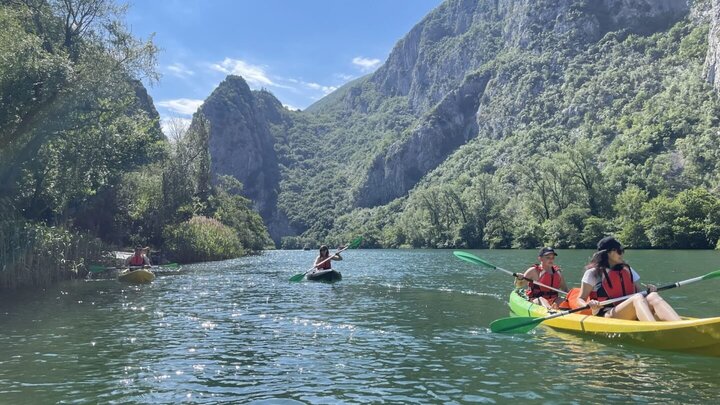
The off-season’s winds make Split a watersports haven. I’m learning to windsurf near Omiš, where the Cetina River meets the sea between dramatic cliffs and Brač Island. Sailing and kitesurfing are also popular, with schools offering lessons for all levels. The Adriatic’s clarity, visibility up to 30 meters, makes snorkeling and diving unforgettable, especially around Vis Island’s Blue Cave. Split’s beaches are my daily escape, blending relaxation with adventure, and it’s easy to see why Croatia is often mentioned among the best countries to live in for expats and adventurers alike.
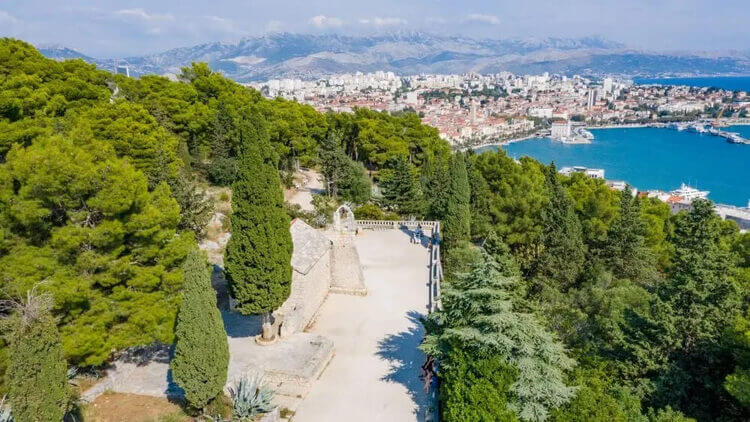
A 15-minute walk from the Old Town, Marjan Forest Park is Split’s green heart. This forested peninsula, jutting into the Adriatic, offers shaded trails for running, biking, and hiking. The south side’s cliffs attract climbers, while easy paths lead to viewpoints with panoramic vistas of Split, Brač, and Šolta. A new observation tower and botanical garden add to the allure, showcasing native Mediterranean flora.
Marjan’s beaches, like Bene and Prva Voda, are quieter than Split’s tourist-heavy spots, perfect for reading or hammock naps. Locals flock here in summer to escape the crowds and 30-35°C heat. The park also hosts cultural events, like the Croatian National Theatre’s outdoor ballet performances or Marjan Day’s free concerts. With 1,800 hours of annual sunshine, Marjan is a year-round haven for nature lovers, blending urban access with serene beauty.
Split’s setting between the Adriatic and the Dinaric Alps fuels endless adventures. Weekends often take me to Mosor Mountain, a 30-minute drive to Sitno Gornje, where trails offer sweeping views and cozy mountain huts serve goulash and cherry liqueur. Biokovo, Croatia’s second-highest range, is an hour away, challenging advanced hikers with rugged paths and 1,762-meter peaks. Last winter, I visited Plitvice National Park, a 3-hour drive, marveling at frozen waterfalls amid snowy forests.
Croatia’s 78 inhabited islands are a ferry ride away. Vis, where Mamma Mia! Here We Go Again was filmed, boasts secluded beaches and historic forts. Lastovo, an International Dark Sky Park, stuns with starry nights and untouched landscapes. The Kornati Islands, a sailor’s paradise, have no roads or settlements, offering pure tranquility. Rafting on the Cetina River or climbing Dinara, Croatia’s highest peak, keeps my weekends thrilling. Split’s location makes exploration effortless and diverse.
Split’s festive spirit shines year-round, especially during Advent. The Riva promenade transforms into a winter wonderland with twinkling markets serving mulled wine and fritule (tiny donuts). New Year’s Eve is a city-wide party, with fireworks, free concerts, and a family-friendly 3 p.m. countdown. Locals share wine and rakija (fruit brandy), creating a communal vibe that warms the chilly 5–10°C winter nights.
Dalmatia’s quirky events are unforgettable. I joined the World Olive Picking Championships on Brač, learning about olive oil production while bonding with locals. Hvar’s dormouse festival, celebrating a local delicacy, is on my list despite my hesitation. In Sinj, 40 minutes away, the Alka tournament sees riders in 18th-century uniforms spear a ring at full gallop, honoring a 1715 victory. These traditions, paired with Split’s modern festivals, make every season vibrant and culturally rich, offering inspiration for anyone curious about how to start a new life in a new country.
Split’s blend of history, nature, and community has transformed my life. The pomalo lifestyle, sipping coffee on the Riva, hiking mountains, or island-hopping, feels like a daily gift. While summer crowds and rising grocery costs (up 20% since 2021) pose challenges, the city’s affordability ($1,500–$2,000/month for a single person), safety, and Schengen access outweigh them. Learning Croatian, though tough, builds deeper connections with locals whose warmth rivals the Adriatic sun. For anyone seeking a slower, richer life, Split is a Mediterranean dream come true. Contact us to learn how we can help you make the move.
A single person can live comfortably on $1,500-$2,000/month, including rent ($600-$900 for a two-bedroom), groceries ($250-$300), and dining out. Couples need $2,500-$3,000. Local konobas offer meals for €15-€20, but touristy spots are pricier.
Yes, Split is very safe, with low crime rates. Women and solo travelers feel secure, even at night. Petty theft can occur in summer tourist areas, so keep valuables safe.
Basic Croatian enhances integration, especially with older locals, but many younger Croatians speak English. Learning phrases via apps like Duolingo fosters warmer interactions.
Rentals are available through platforms like Njuskalo.hr or local agents, with one-bedroom apartments at $500-$800/month. Summer demand is high, so search early. Short-term rentals suit newcomers.
Remote work is ideal, as local jobs often require Croatian proficiency. Digital nomads thrive with the one-year visa, while tourism roles (hospitality, guiding) are competitive but accessible.
Public healthcare is reliable, with private clinics offering faster service (e.g., dental visits for €50-€100). Private insurance costs $50-$100/month, ensuring quick access to specialists.
Yes, Split’s airport and ferry port connect to Schengen countries and islands. Budget flights to Italy or Slovenia cost €50-€100, and ferries to Vis or Šolta are $5-$15 one-way.
Digital nomad or prepaid rent visas require $2,500-$3,000/month income or a year-long lease. Processing takes 6-9 months, but you can stay in Croatia during this period. Visa consultants ease the process.
About International Property Alerts
International Property Alerts is a premier global platform connecting real estate investors with handpicked opportunities in emerging and lifestyle-driven markets. Through curated listings, expert guidance, and market insights, we help buyers make confident property decisions worldwide.
Media Contact:

Phone: +4477 1923 8132
📱 WhatsApp: +63927 073 9530
Email: office@internationalpropertyalerts.com
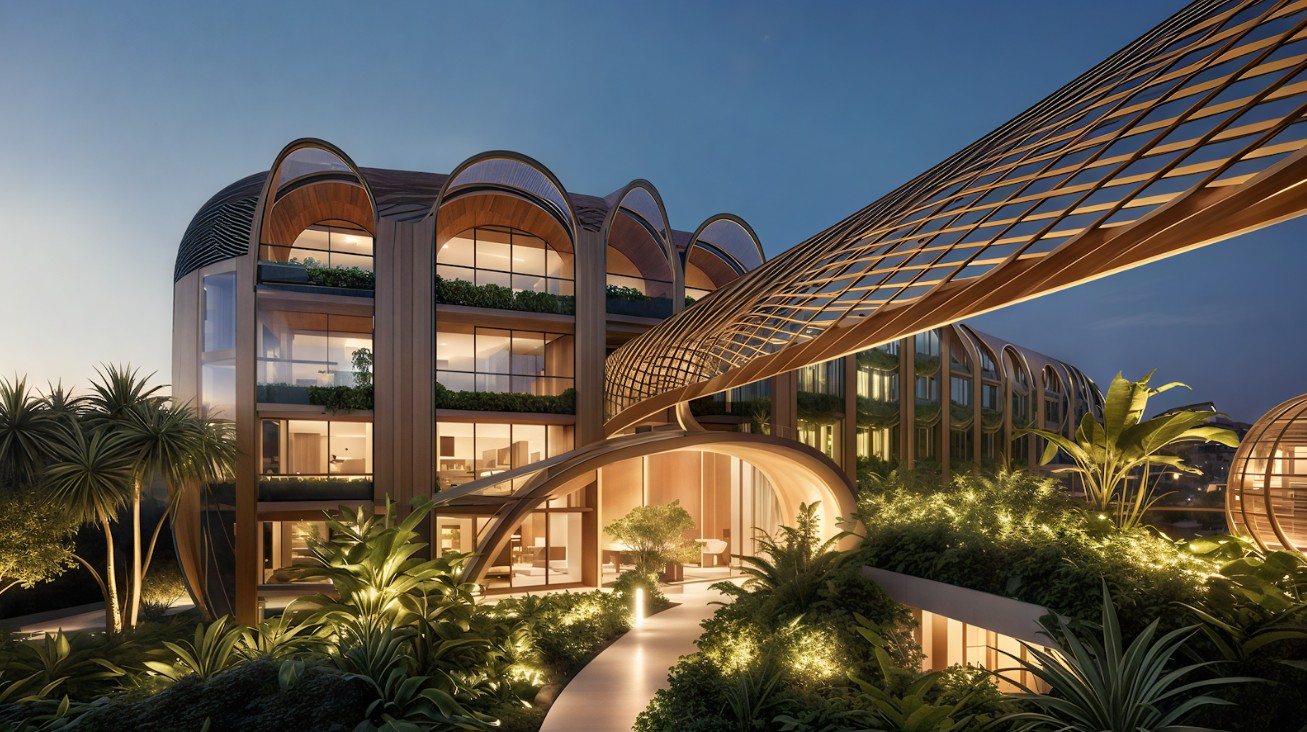
Elle Resort & Beach Club offers a rare chance to own property in one of the most desirable coastal locations. With limited units, strong capital growth potential, and unmatched resort facilities, this is your opportunity to secure a beachfront lifestyle with long-term value.
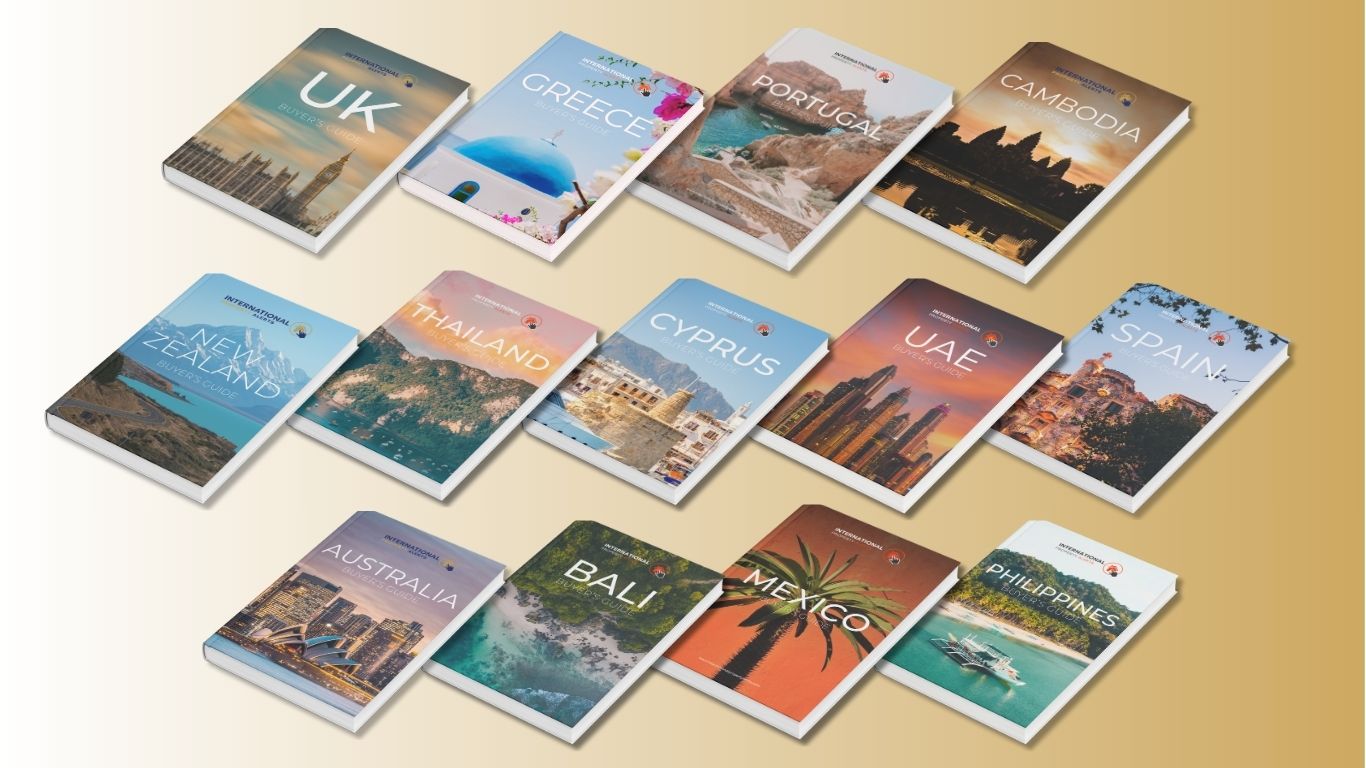
Thinking about buying property abroad? Don’t make the move without the right knowledge. Our Free Buyers Guide gives you essential insights on legal steps, taxes, financing, and the best markets worldwide. Trusted by international buyers and investors.
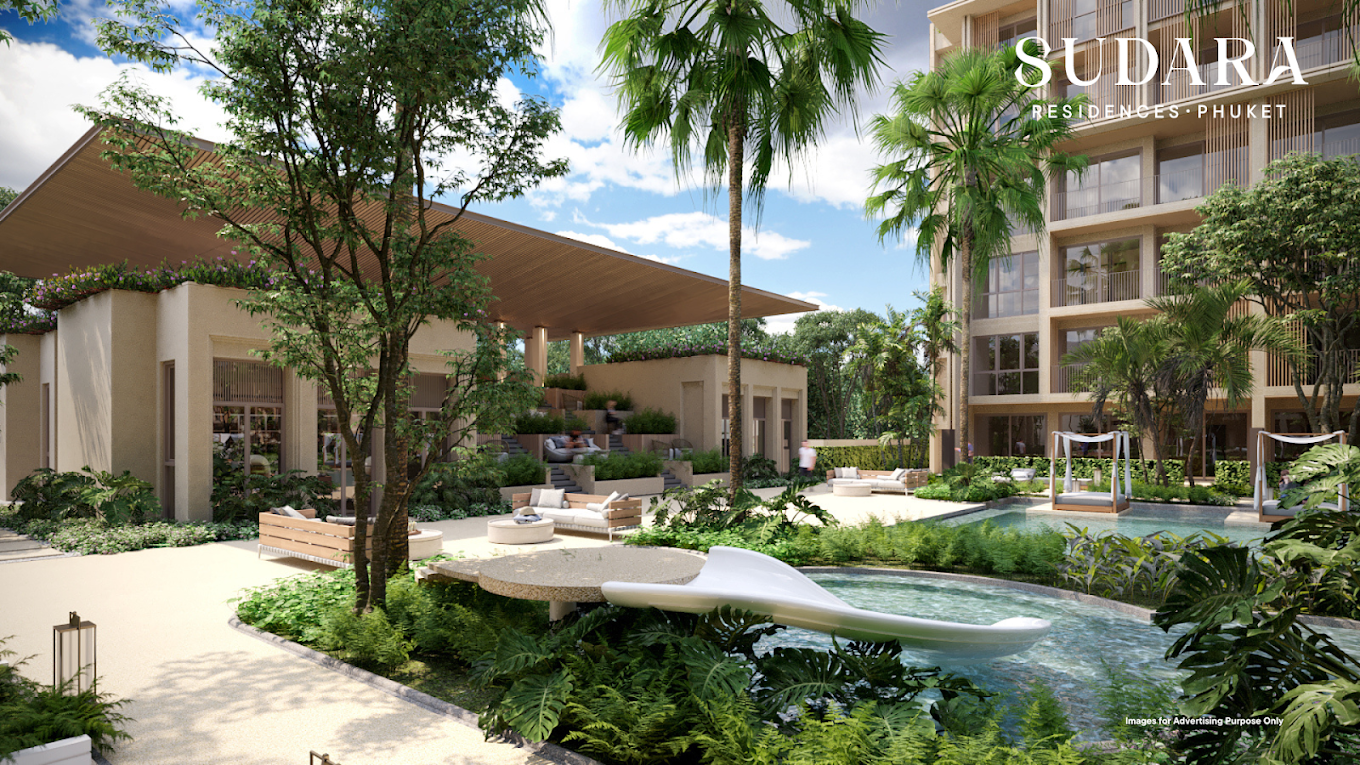
Wake up to bright, spacious living with stunning views and modern comforts. Whether for family living, retirement, or a stylish retreat, Sudara Residences makes your dream home a reality
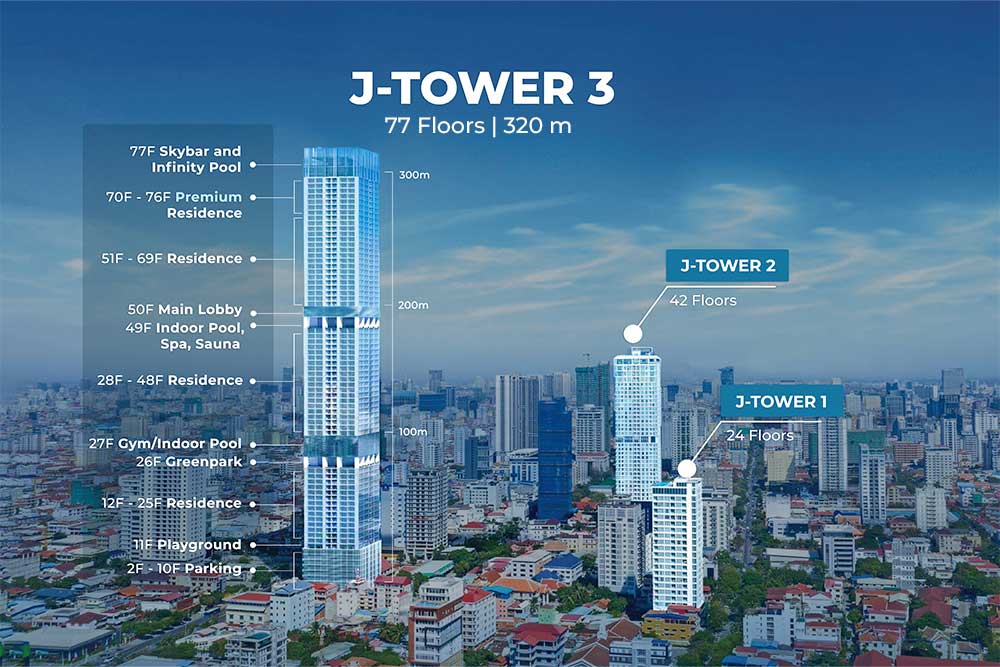
Discover curated property listings with IPS—residential, commercial, villas, land—and get expert guidance through every step.
BONUS: FREE Cambodia Buyer’s Guide

High visibility. Targeted audience. Maximum exposure. Rent this space and let your brand shine.

Get your properties in front of high-intent investors. Showcase your listings to buyers worldwide.

From pounds to pesos, yen to dollars. ⚡ Quick. Easy. Secure.
Compare listings
ComparePlease enter your username or email address. You will receive a link to create a new password via email.