Discover the best destinations, property tips, and lifestyle insights from around the world.
GET YOUR FREE MAGAZINE HERE!


As global headlines buzz with stories of overtourism, gentrification protests, and shifting political climates, many aspiring expats wonder: Are we still welcome abroad? The answer isn’t universal, but after decades of exploring life overseas, one truth stands out: locals distinguish between disruptive outsiders and respectful newcomers who embrace their culture. Your welcome hinges on your approach, kindness, curiosity, and a willingness to integrate open doors worldwide. From Malaysia’s warm smiles to Panama’s laid-back acceptance, our correspondents share insights on local attitudes toward expats in 2025, highlighting where newcomers are embraced, how international property opportunities are evolving, and how to build meaningful connections. This expanded guide includes a FAQ to help you navigate your expat journey with confidence.
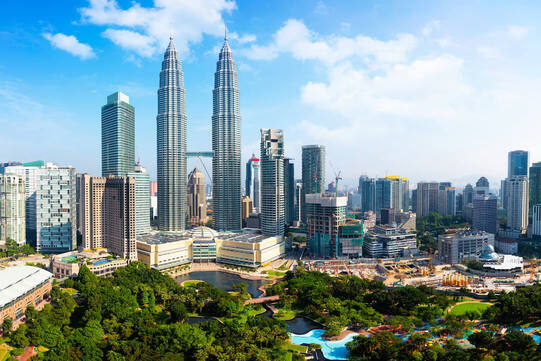
Malaysia’s hospitality is legendary, rooted in a culture that values connection. Whether arriving at Kuala Lumpur’s bustling airport or a quiet Penang bus stop, you’re met with genuine warmth. I’ve lost count of locals who’ve walked me to my destination, sharing stories en route, or invited me to join their family meal after a chat at a roadside kopitiam. A smile and a simple terima kasih (thank you) go far, even if your Malay is shaky. At a Melaka market, my attempt at bargaining in Malay earned me free kuih samples and a lively chat with the vendor about her recipes.
Malaysians are curious about newcomers, eager to share their culture, especially their spicy laksa or nasi lemak. Respecting local customs, like dressing modestly at religious sites, ensures a warm reception. In 2025, Malaysia will remain a haven for expats and tourists, with no signs of overtourism fatigue. From Penang’s street food to Sabah’s rainforests, the country opens its arms to those who approach it with openness, making it a top choice for digital nomads, retirees, and families exploring the best countries to live in.
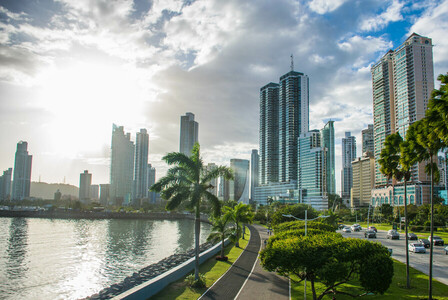
Panama’s under-the-radar vibe sets it apart from overtouristed European hubs. In 2025, this Central American gem remains a business and retirement hotspot, with uncrowded beaches and a sense of space despite its small size (half of South Carolina). Panama City’s skyscrapers and cosmopolitan flair don’t overshadow its welcoming spirit. Locals, accustomed to centuries as an international crossroads, embrace foreigners without resentment. The term gringo, far from derogatory here, is a friendly nod to North Americans.
Unlike Europe’s housing crises, Panama’s property market hasn’t sparked widespread backlash. Expats are valued for boosting the economy, from Panama City’s tech startups to Boquete’s coffee farms. I’ve seen Panamanians learning Japanese or coding crypto apps, their ambition coexisting with poverty but not directed against foreigners. In Coronado, a coastal expat hub, locals invited me to a beach barbecue, sharing sancocho and stories. Respecting Panama’s relaxed pace and learning basic Spanish ensure you’re welcomed as family, not a transient gringo.
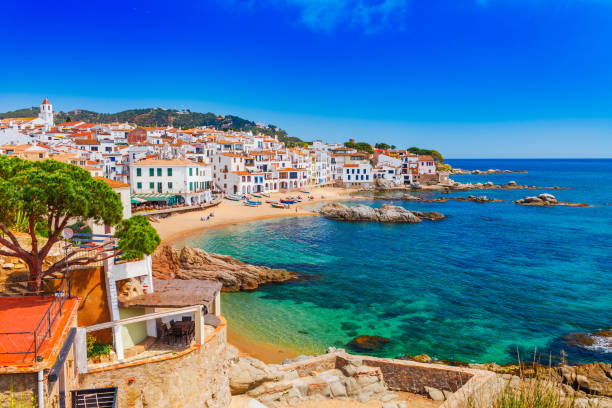
Spain, a longtime expat favorite, faces new challenges in 2025. Tourism, contributing 12% to GDP, has fueled a housing crisis in cities like Barcelona, Madrid, and Málaga. Rising rents, up 20% since 2020, and short-term rentals like Airbnb have frustrated locals, who sometimes blame foreigners, including Americans. However, the root causes are complex: speculative investment, limited construction, and policy gaps, not the 30,000–50,000 U.S. visa holders in a nation of 48 million. Many expats also explore visa and residency in Spain, which provides a pathway to long-term living in the country.
In smaller towns like Granada or depopulating rural areas, expats are warmly received, especially those who learn Spanish and engage locally. In Valencia, my attempt at ordering paella in Spanish led to a chef sharing his recipe. Barcelona’s protests target Airbnb investors, not retirees or digital nomads who join community events. To be welcomed, avoid short-term rental investments and embrace local life, join a flamenco class or volunteer at a festival. Spain’s charm,funny costas, historic villages, remains open to respectful newcomers.
Thailand, where tourism accounts for 20% of GDP, offers a mixed reception depending on location. In 2025, northern towns like Chiang Mai and Chiang Rai exude warmth, with locals sharing som tam at markets or guiding lost expats with a smile. In contrast, party hubs like Phuket and Pattaya can feel transactional due to decades of mass tourism. On Koh Samui, I paid double for khao mun gai, a $2 dish elsewhere, reflecting inflated tourist prices.
Expats fare better than tourists, especially outside tourist zones. In Rayong’s Mae Ramphueng, an hour from Pattaya, I found the friendliest locals in Thailand, offering free rides to the beach. Learning Thai phrases like sawasdee krab (hello) or dining at local stalls transforms you from a visitor to a neighbor. Thailand’s 1.4 million expats, from retirees in Hua Hin to nomads in Chiang Mai, are treated like royalty when they respect the culture. Avoid complaining about local ways, and you’ll find a warm, affordable home (rent: $300-$600/month).
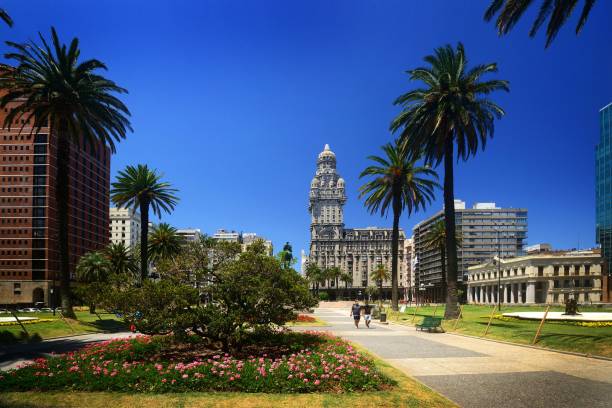
Uruguay’s 3.5 million residents, mostly descendants of European immigrants, embrace newcomers in 2025. Tourism, vital for coastal towns like Punta del Este, supports jobs in hospitality and vacation home management. Locals appreciate expats who respect their egalitarian culture. In Montevideo’s Old City, where I live, a gentrification protest in 2023 was resolved with low-income housing and improved parks, not by blaming foreigners. The government sweetens the deal with tax breaks on foreign credit card purchases and equal property rights for foreigners.
My Uruguayan neighbors shared their family’s Italian immigration story over asado, welcoming my broken Spanish. From Colonia’s historic streets to Rocha’s quiet beaches, Uruguay’s low population density (half of New Jersey’s) avoids overtourism tensions. A modest effort to learn Spanish and join local events, like the Mate Festival, ensures a warm reception. Property purchases, like a $100,000 beach condo, are straightforward, making Uruguay a haven for retirees and families.
Mexico’s tourist hubs, like Puerto Vallarta, thrive on foreign visitors, with English widely spoken and smiles abundant. In 2025, locals remain welcoming, but deeper connections reveal a nuance: speaking Spanish matters. At a Pacific coast swimming spot, my halting Spanish earned instant acceptance from local women, who nodded approvingly. Expats who expect English-only interactions risk subtle eye rolls, especially as tourist numbers grow (40 million annually).
Learning basic Spanish, Buenos días or Gracias shows respect for Mexico’s courteous culture, transforming interactions. In San Miguel de Allende, my Spanish market banter led to an invitation for homemade tamales. With affordable living ($1,500-$2,000/month for a single person), Mexico welcomes expats who embrace its language and traditions, from Día de Muertos to local fiestas. Avoid flaunting wealth, and you’ll find a second home.
In Belize’s Placencia village, where my husband and I settled four years ago, the 2025 expat welcome is warm but nuanced. Tourism fuels the economy, and full-time expats are embraced, especially those integrating via community events like fish fries. However, rising housing costs, driven by part-time expats buying vacation homes, spark tension. A two-bedroom home now costs $150,000-$250,000, pricing out some locals. A vocal minority vents on social media, but face-to-face interactions remain friendly.
Expats who respect Belize’s public beach access (all beaches are open) and avoid phrases like “That’s not how we do it back home” are cherished. At a Placencia market, my offer to help a vendor carry crates led to a shared belikin beer and a new friend. With a low cost of living ($1,200-$1,800/month) and English as the official language, Belize remains inviting for retirees and nomads who contribute thoughtfully.
In Paris, one of the world’s most visited cities (19 million tourists annually), locals in 2025 treat tourists as part of the urban fabric, neither overly welcomed nor shunned. Parisians dodge selfie sticks en route to their chic rendezvous, but hospitality is professional. In the south, post-COVID tourism surges have spurred friendlier attitudes. Marseille’s revamped airport and Riviera bistros now offer English menus, reflecting tourism’s 10% GDP contribution.
In Toulon, my home base, locals welcomed my French greeting at a café, sharing bouillabaisse tips. Even cruise ship crowds don’t dampen spirits, as they boost the economy. Expats who learn basic French and respect local customs, like quiet Sundays are warmly received, especially in less-touristed regions like Provence. Affordable rentals ($600-$1,000/month) and Schengen access make France a perennial favorite.
Costa Rica’s pura vida ethos welcomes expats, but 2025 sees gentrification tensions in coastal towns like Tamarindo and Nosara. Foreigners’ $4,000/month rental budgets, far above local wages of $800-$1,200 , drive up housing costs, pushing some Ticos (Costa Ricans) out. Unchecked development threatens mangroves and turtle nesting sites, sparking local concern. In Pavones, a protest against a luxury condo project highlighted environmental priorities.
Yet, Costa Rica remains friendly. My offer to volunteer at a Nosara turtle sanctuary led to a Tico family inviting me for gallo pinto. Expats who learn Spanish, support local businesses, and avoid Airbnb profiteering are embraced. With living costs of $1,500-$2,500/month and excellent healthcare ($50-$100/month for private insurance), Costa Rica rewards mindful expats who prioritize community over profit.
Across the globe, expats are welcome where they show respect and engagement. A smile, a few local phrases, and a willingness to contribute, whether joining a Malaysian market chat or a Uruguayan asado, build bridges. Overtourism and housing pressures exist, but they’re often rooted in policy or speculation, not individual expats. By learning the language, supporting local economies, and embracing cultural norms, you’ll find open hearts in Malaysia’s kampungs, Panama’s beaches, or Spain’s villages. The secret to thriving abroad is simple: treat your new home like home, and it will embrace you back. For guidance on your journey, feel free to contact us.
Yes, in most countries, respectful expats who integrate, learn the language, support local businesses, and respect customs, are warmly welcomed. Tensions often stem from housing crises or mass tourism, not individual expats.
Learn basic local phrases, engage in community events (e.g., festivals, markets), and avoid behaviors like demanding English-only service or flaunting wealth. A smile and curiosity about local culture go a long way.
Malaysia, Panama, Uruguay, and Mexico stand out for their warmth, low living costs ($1,200-$2,500/month), and ease of integration. Smaller towns in Spain, Thailand, Belize, and Costa Rica are also welcoming if you respect local norms.
In Spain and Costa Rica, high rents in tourist hubs like Barcelona or Tamarindo can spark resentment, often misdirected at expats. Choosing smaller towns or avoiding short-term rental investments helps maintain goodwill.
It’s not mandatory but highly recommended. In Mexico, Costa Rica, and Thailand, basic Spanish or Thai shows respect, enhancing interactions. In Malaysia, Panama, and Belize, English is common, but local phrases deepen connections.
Rent or buy from locals, avoid converting homes to Airbnbs, and support community projects like environmental or housing initiatives. In Costa Rica, volunteering with conservation groups builds goodwill.
Yes, Malaysia’s MM2H visa, Panama’s Pensionado, Uruguay’s D7, and Costa Rica’s rentista visa offer easy residency for retirees and nomads. Requirements include $600-$2,500/month income; processing takes 3-6 months.
All are safe, with low violent crime. Uruguay and Malaysia rank among the safest globally. Use common sense in urban areas (e.g., Mexico City, Bangkok) to avoid petty theft. Local police are generally expat-friendly.
About International Property Alerts
International Property Alerts is a premier global platform connecting real estate investors with handpicked opportunities in emerging and lifestyle-driven markets. Through curated listings, expert guidance, and market insights, we help buyers make confident property decisions worldwide.
Media Contact:

Phone: +4477 1923 8132
📱 WhatsApp: +63927 073 9530
Email: office@internationalpropertyalerts.com

Elle Resort & Beach Club offers a rare chance to own property in one of the most desirable coastal locations. With limited units, strong capital growth potential, and unmatched resort facilities, this is your opportunity to secure a beachfront lifestyle with long-term value.
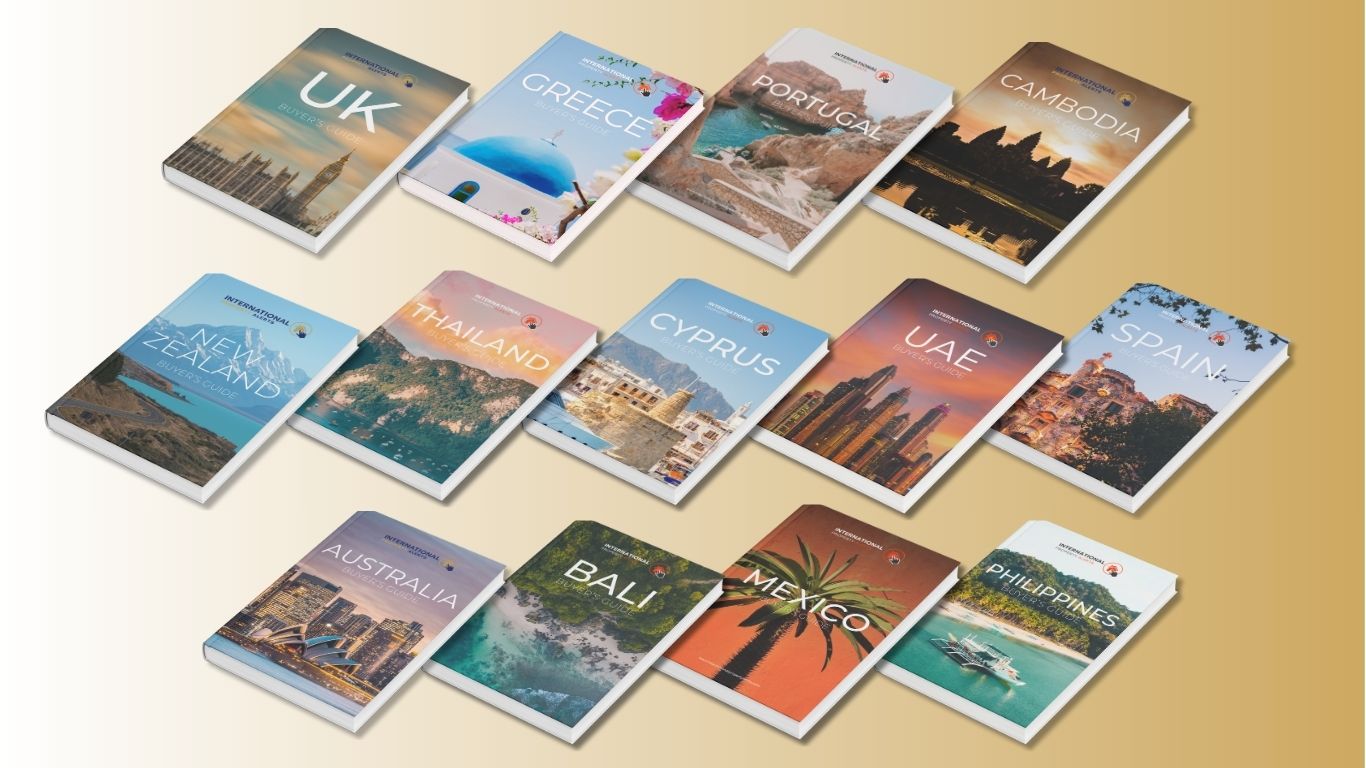
Thinking about buying property abroad? Don’t make the move without the right knowledge. Our Free Buyers Guide gives you essential insights on legal steps, taxes, financing, and the best markets worldwide. Trusted by international buyers and investors.

Wake up to bright, spacious living with stunning views and modern comforts. Whether for family living, retirement, or a stylish retreat, Sudara Residences makes your dream home a reality

Discover curated property listings with IPS—residential, commercial, villas, land—and get expert guidance through every step.
BONUS: FREE Cambodia Buyer’s Guide

High visibility. Targeted audience. Maximum exposure. Rent this space and let your brand shine.

Get your properties in front of high-intent investors. Showcase your listings to buyers worldwide.

From pounds to pesos, yen to dollars. ⚡ Quick. Easy. Secure.
Compare listings
ComparePlease enter your username or email address. You will receive a link to create a new password via email.