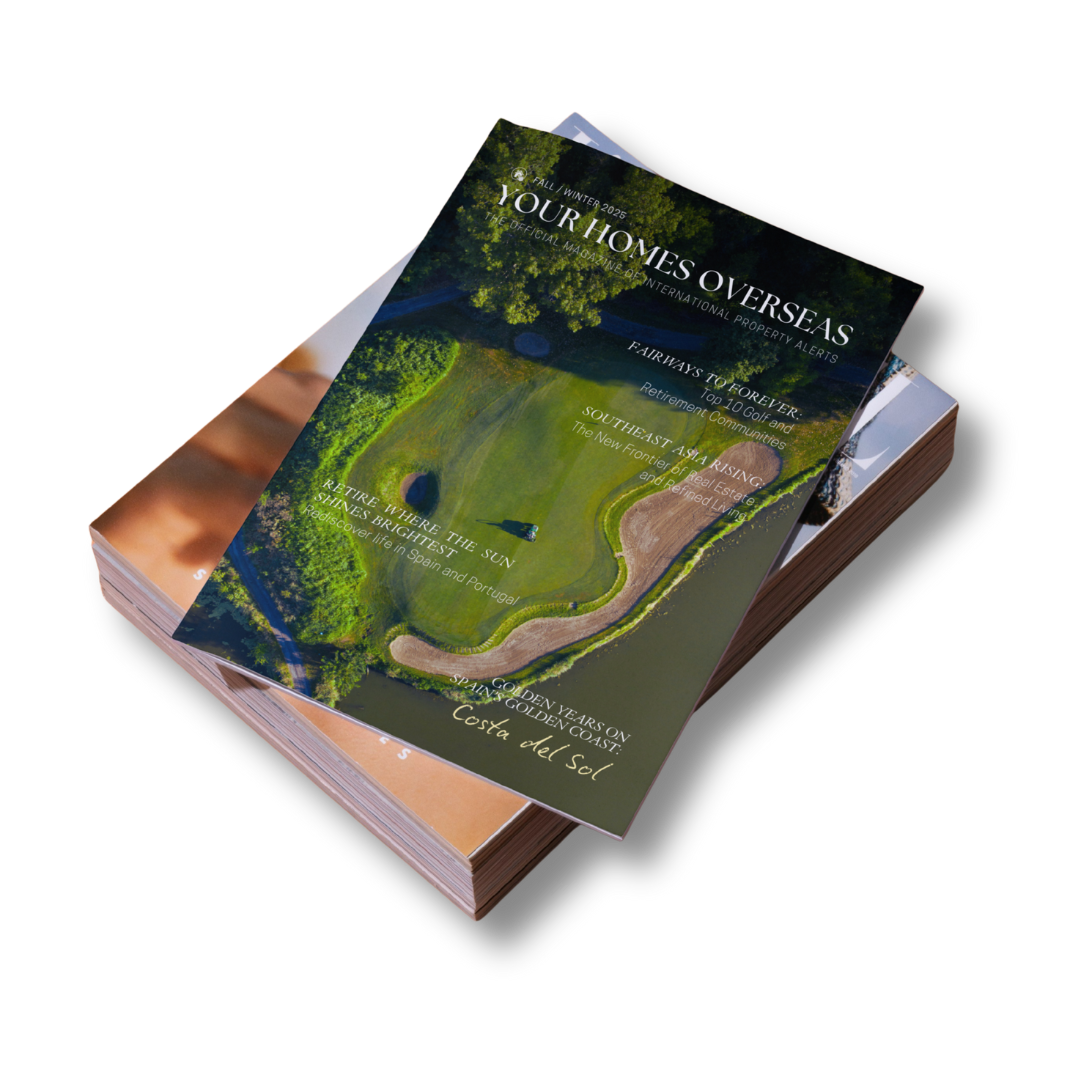
Get Your Free 1st Issue
Your Homes Overseas Magazine!

Discover the best destinations, property tips, and lifestyle insights from around the world.

GET YOUR FREE MAGAZINE HERE!

Magazine
Open Magazine

Buying Property in Thailand as a Foreigner: Legal Rules 2026

Foreigners can legally own condominiums in Thailand within the 49% foreign quota, while land, houses, and villas require leasehold or compliant structures. This guide explains ownership rules, legal limits, and what buyers need to know for safe and informed property investment in 2026.

Buying Property in Thailand as a Foreigner: Legal Ownership, Limits and What Is Permitted in 2026

Thailand remains one of the most popular countries in Asia for foreign property buyers, but it is also one of the most tightly defined in terms of what foreigners can and cannot legally own.
In 2026, the rules around foreign ownership in Thailand are clear, long established and enforceable. Problems arise not because the rules are unclear, but because buyers assume flexibility where none exists.

This guide sets out what foreign buyers can legally own, what requires structured arrangements, and where caution is essential.

Can Foreigners Buy Property in Thailand?

Yes, but only within specific legal frameworks.

Foreign nationals can legally own condominium units freehold, provided that foreign ownership in the building does not exceed 49 percent of the total saleable area.

This quota is fixed in law and applies building by building. If the foreign quota is full, a foreign buyer cannot legally register ownership of an additional unit in that building.

Condominium Ownership Explained

Condominiums are the most straightforward and secure form of property ownership available to foreigners in Thailand.

When purchased within the permitted quota and properly registered, a condominium unit is owned outright and protected under Thai law.

Key points buyers must confirm before purchase:

The building has available foreign ownership quota

The unit is legally registered as a condominium

Funds are remitted into Thailand in foreign currency and documented correctly for registration

Failure to meet these requirements can prevent legal registration of ownership.

Land, Houses and Villas: What Foreigners Cannot Own Directly

Foreign nationals cannot directly own land in Thailand under normal circumstances.

This means that houses and villas, which sit on land, cannot be owned freehold by foreigners in their personal name.

Any purchase of a house or villa therefore requires an alternative legal structure. These structures do not provide the same rights as freehold land ownership and must be approached with caution.

Leasehold Property and Long Term Use

Leasehold is one of the most common alternatives for foreigners seeking houses or villas.

A registered lease can provide legal rights of use for a defined term, commonly up to 30 years, and must be registered at the Land Office to be enforceable.

Leasehold provides usage rights, not ownership of the land. Buyers should understand:

Whether renewal terms are guaranteed or discretionary

Whether the lease is transferable

What happens at the end of the lease term

Leasehold can suit long stay or lifestyle buyers but is not equivalent to freehold ownership.

The Buying Process Step by Step

A compliant purchase typically involves:

Verifying ownership eligibility and quota availability

Conducting legal due diligence on title and structure

Signing a sale and purchase agreement

Registering ownership or lease at the Land Office

Registration is the critical step. Without proper registration, ownership rights are not fully enforceable.

Costs and Financial Considerations Foreign buyers should budget for:

Transfer fees and taxes

Legal fees

Ongoing maintenance or management costs

Mortgage financing for foreign buyers is limited. Most purchases are completed using cash or overseas funding.

Currency transfer documentation is essential for condominium registration and should be handled correctly from the outset.

Rental Use and Restrictions

Foreign owners may rent their property, but usage must comply with local regulations.

Long term rentals are generally permitted. Short stay or holiday rentals may be restricted depending on property type, building rules and local enforcement.

Buyers should confirm rental permissions before purchasing if income generation is part of their plan.

Residency and Property Ownership

Property ownership in Thailand does not grant residency rights.

Visa and residency permissions are governed separately by immigration law. Buyers planning long stays should seek independent immigration advice.

Ownership should never be assumed to provide residency eligibility.

Common Mistakes to Avoid

The most frequent issues include:

Assuming foreigners can own land

Ignoring condominium foreign quota limits

Using unverified ownership structures

Skipping independent legal advice

Following the legal framework is the only reliable way to ensure long term ownership security.

Why Thailand Still Appeals to Foreign Buyers

Despite ownership limits, Thailand remains attractive due to lifestyle, affordability and long stay appeal.

Buyers who understand the rules and purchase within the legal framework can enjoy secure, compliant ownership.

In 2026, Thailand remains best suited to informed buyers who value clarity over shortcuts.

Q&A

Can foreigners legally own property in Thailand?

Yes, but primarily condominiums within the 49 percent foreign ownership quota.

Can foreigners own land in Thailand?

No, not directly under standard law.

Is leasehold ownership safe?

Leasehold can provide legal usage rights when properly registered, but it is not freehold ownership.

Does buying property give residency rights?

No. Property ownership and residency are legally separate.

About International Property Alerts


International Property Alerts is a premier global platform connecting real estate investors with handpicked opportunities in emerging and lifestyle-driven markets. Through curated listings, expert guidance, and market insights, we help buyers make confident property decisions worldwide.

Media Contact:

 rentals in the Philippines

Phone: +4477 1923 8132
📱 WhatsApp: +63927 073 9530
Email:
office@internationalpropertyalerts.com

Related Post

Discover Prime Global Opportunities

Elle Resort & Beach Club – Your Prime Beachfront Investment

Elle Resort & Beach Club offers a rare chance to own property in one of the most desirable coastal locations. With limited units, strong capital growth potential, and unmatched resort facilities, this is your opportunity to secure a beachfront lifestyle with long-term value.
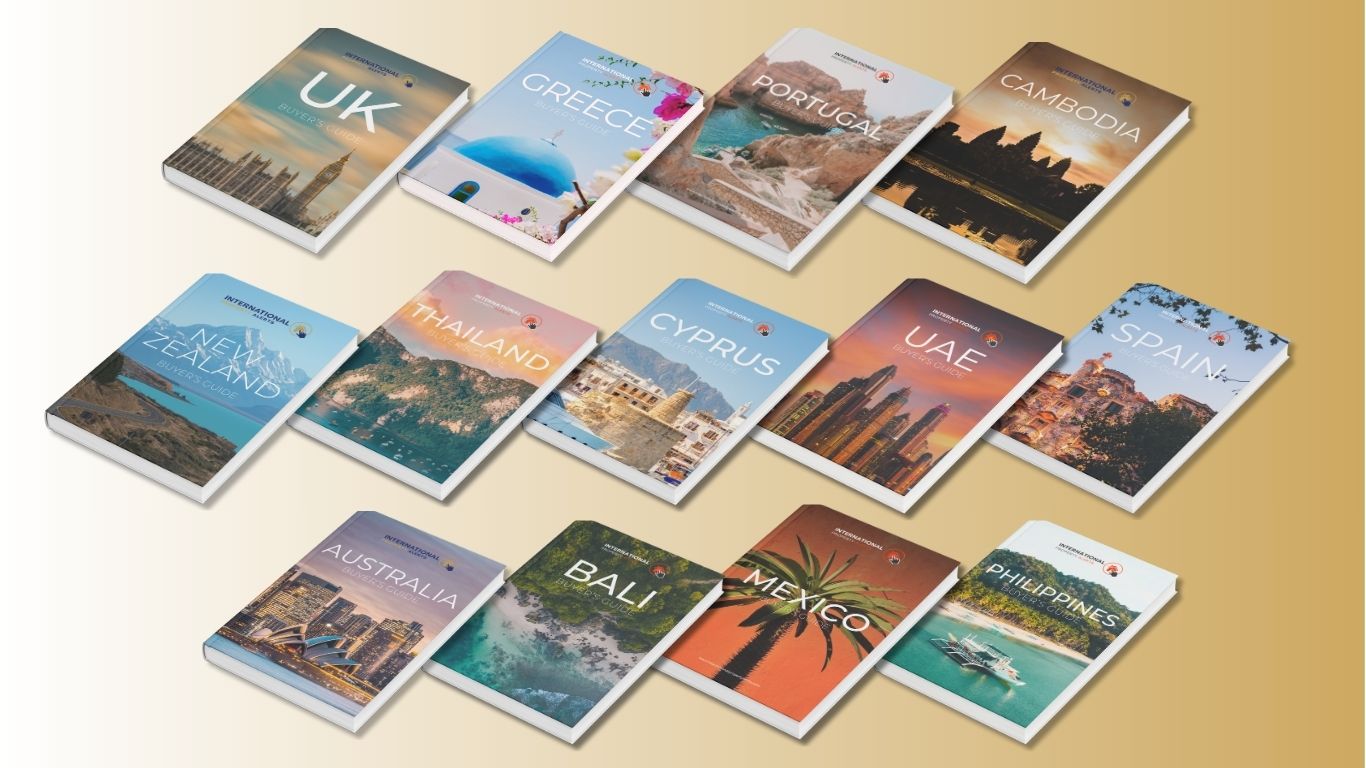
Smarter Property Investments Start Here

Thinking about buying property abroad? Don’t make the move without the right knowledge. Our Free Buyers Guide gives you essential insights on legal steps, taxes, financing, and the best markets worldwide. Trusted by international buyers and investors.

Your Perfect Home Awaits at Sudara Residences

Wake up to bright, spacious living with stunning views and modern comforts. Whether for family living, retirement, or a stylish retreat, Sudara Residences makes your dream home a reality
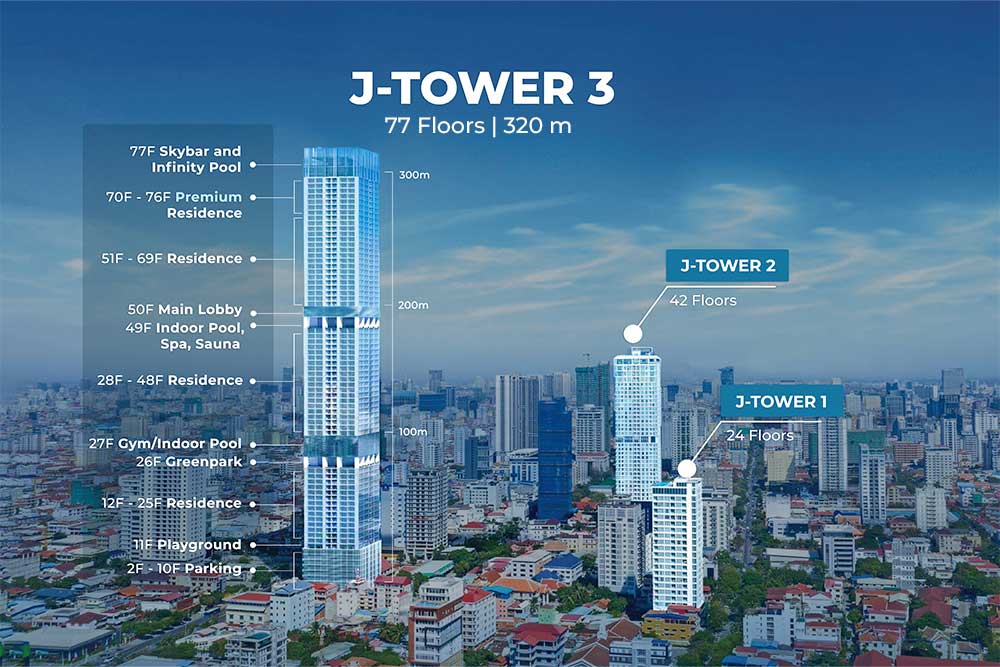
Own a Piece of Cambodia’s Thriving Property Market

Discover curated property listings with IPS—residential, commercial, villas, land—and get expert guidance through every step.
BONUS: FREE Cambodia Buyer’s Guide

Grow Your Business - Advertise in a Prime Spot

High visibility. Targeted audience. Maximum exposure. Rent this space and let your brand shine.

Got Properties to Sell?

Get your properties in front of high-intent investors. Showcase your listings to buyers worldwide.
Exchange Without Borders

From pounds to pesos, yen to dollars. ⚡ Quick. Easy. Secure.

Share Article To:

Facebook
WhatsApp

Compare listings

Compare