
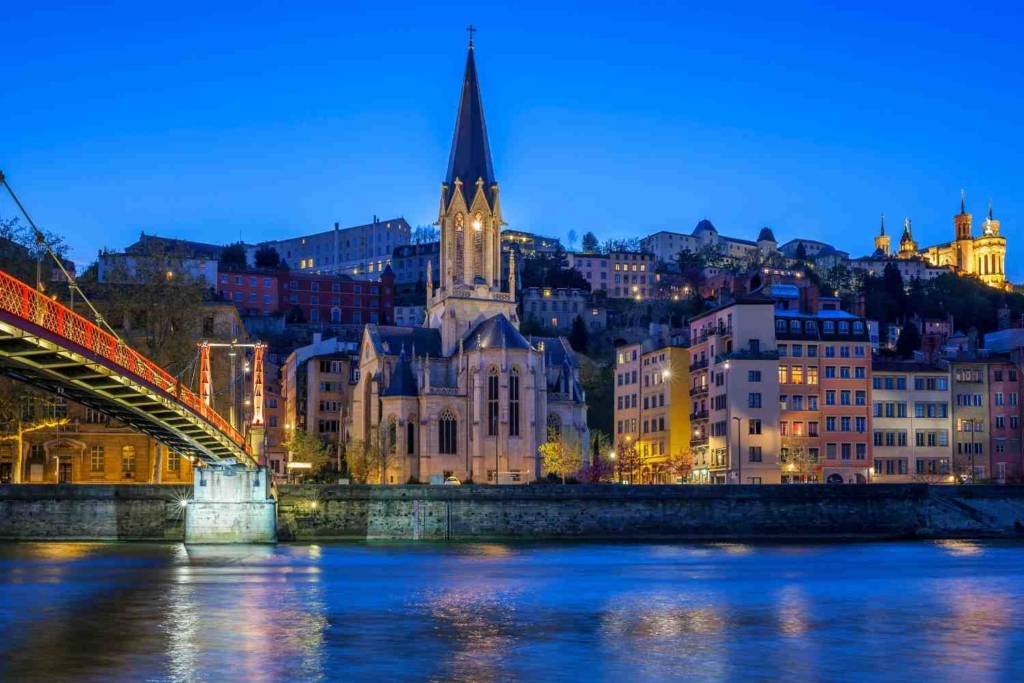
Many people think homes in Europe are very expensive. That is true in big cities like Paris, Rome, or Madrid. But if you look outside capital cities and busy tourist spots, prices can drop a lot. Small towns and quiet villages often have very low property prices. Some homes cost less than a new car. If you want to buy a cheap house in Europe, you need to search in rural areas where fewer people live.
But low prices usually mean work is needed. Many cheap homes need repairs like a new roof, plumbing, or wiring. Some houses have been empty for years. This is normal when buying property abroad. You must plan for renovation costs and extra fees. If you choose carefully, you can find an affordable home and create something beautiful over time.
If you want low prices, look outside famous cities and busy beaches. Small towns and villages often have the best deals. Many buyers who want to buy a cheap house in Europe focus on quiet rural areas. You can search through local agents or international real estate listings to compare options across countries.
Bulgaria is often called one of the cheapest places in the European Union. In small villages, you can find rural homes for €10,000 to €30,000. These homes are usually older and may need repairs like roof fixes, new plumbing, or fresh wiring.
The good part is the very low entry price and low yearly taxes. The downside is that some villages are shrinking, and jobs can be limited. If your goal is to buy a cheap house in Europe with the lowest starting price, Bulgaria is often at the top of the list.
Italy is famous for €1 houses. These are mostly in southern regions like Calabria, Sicily, and Abruzzo. The price sounds amazing, but there is a catch. Buyers must agree to renovate the home within a set time.
Renovation can cost €20,000 to €50,000 or more. You must also follow local building rules. Italy is beautiful and full of history, but it is important to understand the full cost before you decide to buy a cheap house in Europe through these programs.
Portugal has higher prices near Lisbon and the Algarve coast. But inland areas like Castelo Branco and Alentejo offer better deals. You can find stone cottages and village homes for much less than coastal property.
The Silver Coast also has good value compared to Lisbon. Inland homes are cheaper, but they may be farther from airports and big hospitals. Many people searching international real estate listings look inland first for better prices.
Romania has very low prices in rural areas, especially in Transylvania villages. Some houses sell for under €30,000. The countryside is peaceful and green.
However, some areas have limited public transport and slower internet. Infrastructure can vary from town to town. It is important to visit first and check the services. Romania can be a smart choice if you want space, quiet, and low prices.
Spain is expensive on the coast in places like Barcelona or Marbella. But inland regions like Extremadura and Murcia are much cheaper. You can find village homes at prices far below coastal apartments.
The coast has strong rental demand and tourism. Inland towns are quieter and more affordable. If your dream is sunshine without big city prices, Spain offers good chances to buy a cheap house in Europe in less touristy areas.
Albania is not in the EU, but property prices are very low. Coastal towns and villages still offer affordable options. Laws are simpler, but always check ownership details carefully.
Greece has cheap homes on some islands and in mountain villages. Tourist islands are expensive, but lesser-known areas can have great value.
Northern France has small farming towns with lower prices than Paris or the Riviera. You may find stone homes that need updating but have strong charm.
At first, a very cheap home in Europe may look like an amazing deal. However, the price you see online is rarely the final amount you will pay. When people try to buy a cheap house in Europe, they often focus only on the listing price. In reality, there are several extra costs to consider. Therefore, if you want to buy a cheap house in Europe safely, you must understand the full budget from the beginning.
First, there is the purchase price. This is the amount you agree to pay the seller. In many rural areas, homes can range from €10,000 to €40,000, depending on the country and condition.
Because these prices are so low, many buyers feel excited. However, this is only the starting point. Before you decide to buy a cheap house in Europe, remember that other expenses will follow.
Next, you must pay legal and government fees. These usually range from 5% to 15% of the purchase price. For example, you may need to cover:
For this reason, it is very important to get legal advice for buying a property before signing any contract. A local lawyer can check ownership records, confirm there are no unpaid debts, and make sure the land is properly registered. As a result, you reduce the risk of serious problems later.
In addition, renovation is often the biggest expense. Many low-cost homes are old and have been empty for years. Because of this, repairs are usually needed.
Common upgrades include:
Typically, renovation costs range from €20,000 to €50,000. In some cases, it can be even higher. Therefore, when planning to buy a cheap house in Europe, always add extra money for unexpected repairs. It is better to over-budget than to run out of funds halfway through the project.
After the purchase and renovation, there are also yearly costs. Fortunately, property taxes in many European rural areas are lower than in large cities. In some villages, the annual tax may only be a few hundred euros.
Even so, you should include this in your long-term plan. Over time, small yearly costs still add up.
Finally, you must check utilities. Some rural properties are not fully connected or need upgrades. For example, you may need to pay for:
Moreover, internet speed in remote villages can be slower than in cities. Therefore, always confirm utility access before you buy a cheap house in Europe in a very rural location.
Country | Entry Price | Renovation Estimate | Total Safe Budget |
Bulgaria | €15,000 | €25,000 | €45,000–€50,000 |
Italy | €1–€20,000 | €30,000–€50,000 | €50,000–€80,000 |
Romania | €20,000 | €20,000–€40,000 | €45,000–€65,000 |
Spain (Inland) | €30,000 | €20,000–€35,000 | €60,000–€75,000 |
Portugal (Inland) | €40,000 | €20,000–€40,000 | €70,000–€90,000 |
These numbers are general examples. Of course, actual costs will depend on the region, property condition, and local labor prices.
In conclusion, the cheapest listing is not always the cheapest overall project. Although the dream to buy a cheap house in Europe is possible, success depends on careful planning. If you combine realistic renovation budgets with proper legal advice for buying a property, you can avoid costly surprises and make a smart decision.
Many people wonder if they are allowed to buy a home in another country. The good news is that, in most cases, foreigners can legally buy property in Europe. However, the rules can be different depending on where you are from and which country you choose. So before you decide to buy a cheap house in Europe, it is important to understand the basic rules.
First, there is a difference between EU and non-EU buyers. If you are a citizen of a European Union country, you usually have fewer restrictions when buying property in another EU country.
However, if you are from outside the EU, the process may involve more paperwork. Even so, most European countries still allow non-EU citizens to buy property. This means you can still buy cheap house in Europe, but you may need extra documents and approvals.
Next, there is something called the 90/180-day rule. This rule applies to many non-EU visitors in the Schengen Area. It means you can stay for 90 days within any 180-day period without a long-term visa.
Importantly, owning property does not change this rule. Even if you buy a cheap house in Europe, you cannot automatically stay all year unless you have the correct visa.
Many people think that buying a home gives them residency. However, this is usually not true. Purchasing property allows you to own the home, but it does not automatically give you the right to live there full-time.
If your goal is to relocate, you must apply for the correct visa or residency permit. Therefore, always check immigration rules before making plans.
Some countries offer special residency programs often called “Golden Visas.” These programs allow foreigners to apply for residency if they invest a large amount of money, usually much more than the cost to buy a cheap house in Europe.
However, rules change often. Some countries have reduced or ended these programs. So it is important to check current laws before relying on this option.
Finally, banking can sometimes be difficult. Opening a local bank account may require proof of income, tax documents, and a local address. In addition, getting a mortgage as a foreigner can be harder than for local buyers.
Because of this, many people pay in cash when they buy a cheap house in Europe. Later, if you plan on selling property, you will also need to understand local tax rules and capital gains laws.
In simple terms, yes, foreigners can usually buy property in Europe. However, ownership does not automatically give you the right to live there full-time. So before you buy a cheap house in Europe, make sure you understand visa rules, banking requirements, and long-term plans.
Finding a low-cost home starts with knowing where to look online first. Many buyers search websites before visiting in person. If you want to buy a cheap house in Europe, property portals make comparing prices easier. These platforms are part of the real estate industry and help connect buyers with sellers across different countries.
Idealista is one of the largest property websites in Southern Europe. It is very popular in Spain, Portugal, and Italy. You can filter by price, region, and property type.
If your goal is to buy a cheap house in Europe, you can sort listings from lowest to highest price. This helps you quickly see affordable options in rural areas.
Kyero focuses mainly on Spanish property. It is easy to use and shows homes listed by different agents.
Many international buyers use Kyero when trying to buy a cheap house in Europe, especially in inland Spain, where prices are lower than in coastal cities.
Green-Acres lists properties in many European countries. It is useful if you want to compare several countries at once.
Because it gathers listings from different agents, you can see a wide range of homes, from small village houses to renovation projects.
Rightmove Overseas is the international section of a major UK property platform. It features listings from across Europe and beyond.
It is helpful for English-speaking buyers who want familiar website tools while searching for ways to buy a cheap house in Europe.
In addition to large websites, local real estate agencies are very important. Small-town agents often know about properties that are not widely advertised online.
Sometimes, the best deals are found by speaking directly with local professionals inside the real estate industry. Visiting in person can also help you discover homes not listed on big portals.
Finally, auctions can offer very low starting prices. Some homes sell at government or bank auctions due to unpaid debts.
However, auctions can be risky. You may not always inspect the property fully before bidding. So always research carefully before using this method to buy a cheap house in Europe.
In simple terms, the more sources you check, the better your chances. Use large property portals, talk to local agents, and compare different regions. With patience and smart searching, you can find real opportunities to buy a cheap house in Europe at the right price.
When looking at cheap homes, you will usually see two types. Some are ready to live in right away. Others need a lot of repairs. If you want to buy a cheap house in Europe, it is important to know the difference. Understanding the real estate market helps you avoid expensive surprises later.
First, many cheap homes are in small villages where the population is shrinking. Young people may have moved to big cities for work. Because of this, some villages have empty houses and fewer services.
This is why prices are low. However, fewer shops, schools, and hospitals can also mean less convenience. When you buy a cheap house in Europe in rural areas, always check what services are nearby.
Next, older homes may have structural problems. For example, walls can crack, foundations can shift, or floors can become uneven.
These problems are not always visible in photos. That is why inspections are very important. If you plan to buy a cheap house in Europe as a renovation project, always check the structure carefully before signing anything.
The roof is one of the most expensive parts of a house to fix. If a roof leaks or is very old, it may need full replacement.
Roof replacement can cost thousands of euros, depending on size and materials. Therefore, always ask about the roof’s age and condition. A low purchase price can quickly rise if the roof needs major work.
Old plumbing and electrical systems are common in cheap rural homes. Pipes may leak, and wiring may not meet modern safety standards.
Updating plumbing and electrics can cost €5,000 to €15,000 or more. Even if the home looks nice inside, hidden systems may still need replacement. This is why careful budgeting matters when you buy a cheap house in Europe.
Finally, internet access can be limited in remote areas. Some villages may only have slow connections. For people who work online, this can be a big problem.
Before you decide, check internet speeds and service providers. Infrastructure is just as important as the house itself.
In simple terms, move-in-ready homes cost more but need less work. Renovation homes cost less at the start but may require large repairs. By understanding the real estate market and checking infrastructure carefully, you can decide which option fits your budget and lifestyle best.
Buying a low-cost home in another country sounds exciting and simple. However, smart planning makes a big difference. If you want to buy a cheap house in Europe, you need a clear step-by-step plan. These simple property buying tips can help you avoid mistakes and save money in the long run.
First, do not choose a country only because it sounds beautiful. Every country has expensive areas and cheap areas.
For example, coastal towns are often costly, while inland villages are cheaper. So instead of saying, “I want Italy,” choose a specific region. This makes it easier to buy a cheap house in Europe at the right price.
Next, visit during winter if possible. Summer can make any place look perfect. The weather is sunny, and tourists bring energy.
However, winter shows the real situation. You can see if the house feels damp, cold, or too isolated. This step is very important before you buy a cheap house in Europe in rural areas.
Then, always hire a local lawyer. A lawyer checks ownership records, debts, land boundaries, and building permits.
This is one of the most important property buying tips. Even if the home is cheap, legal problems can become very expensive later. A good lawyer protects you from hidden risks.
After that, add at least 30% extra to your total budget. Renovation costs, legal fees, and small surprises often appear.
For example, you may discover plumbing problems or roof repairs after purchase. If you plan extra funds from the beginning, buying will feel less stressful.
Finally, think about the future. Ask yourself, “If I need to sell this home, will someone else want it?”
Homes in remote villages may take longer to sell. On the other hand, properties near growing towns may have better resale value. When you buy a cheap house in Europe, it is smart to think not only about today but also about tomorrow.
In simple terms, slow and careful planning is the best strategy. Choose the right region, visit in different seasons, hire a lawyer, budget extra money, and think about resale value. If you follow these property buying tips, you can buy a cheap house in Europe with more confidence and fewer surprises.
Many people wonder if low-cost homes can also make money later. The answer depends on location, demand, and your long-term goals. If you plan to buy a cheap house in Europe, you should think about more than just the low price. A smart investment means understanding income potential, resale value, and risk.
First, rental demand is not the same everywhere. In big cities or popular beach towns, many tourists and workers look for short-term rentals. This can create a steady income.
However, small rural villages may have very little rental demand. Even if you buy a cheap house in Europe at a very low price, it may not bring rental income if few people want to stay there.
Next, tourism plays a big role. Homes near beaches, historic cities, or ski resorts usually attract visitors. These properties may cost more at the start, but they often have better rental potential.
On the other hand, very remote areas may be peaceful but harder to rent. If your goal is investment income, location matters more than just buying the cheapest property available.
Liquidity means how easy it is to sell something. Some cheap homes are difficult to resell because few buyers are interested in that area.
If you buy a cheap house in Europe in a shrinking village, it may take a long time to find a buyer later. This is called liquidity risk. The property might be cheap, but selling it quickly could be hard.
Finally, think about your main goal. Are you looking for profit, or are you looking for a peaceful lifestyle?
If you want rental income and price growth, you must study the area carefully. You may also need to think about financing property overseas, especially if you are not paying fully in cash. Loans, interest rates, and foreign banking rules can affect your total return.
However, if your goal is a quiet place to live, enjoy retirement, or spend holidays, then return on investment may not be your top priority. In that case, buying for lifestyle can still be a good decision.
In simple terms, yes, it can be a good investment. But only if you choose the right location and understand the risks. When you buy a cheap house in Europe, think about rental demand, resale value, and your personal goals before making a final decision.
Buying a very cheap home can feel exciting at first. However, low prices often come with hidden risks. If you plan to buy a cheap house in Europe, you must look beyond the photos. Smart buyers always study the problems before making a decision. These are important things to consider when moving abroad and buying property.
First, some cheap homes are in villages where many people have already moved away. Shops may close. Schools may shut down. Public transport may be limited.
If you buy a cheap house in Europe in a declining village, daily life can feel isolated. Also, it may be harder to sell the home later because fewer buyers are interested.
Next, renovation costs often grow larger than expected. At first, repairs may seem simple. However, once work begins, hidden damage can appear.
For example, you may find mold behind walls or weak foundations under floors. When people buy a cheap house in Europe, renovation overruns are one of the most common surprises. Always keep extra money aside for unexpected repairs.
In some areas, property ownership can be complicated. A house may have multiple heirs or unclear paperwork from past generations.
If ownership records are not clear, legal problems can delay or stop the sale. This is why checking documents carefully is very important before signing anything.
Water access is not always guaranteed in rural areas. Some homes rely on shared wells or private water systems.
If water rights are unclear, you may face restrictions. Always confirm that the property has legal and reliable water access before you buy a cheap house in Europe in remote locations.
Finally, some cheap homes sit on agricultural land. This type of land may have special rules about building, renovating, or expanding.
In certain countries, foreigners may face limits when buying farmland. These rules can affect your plans, especially if you want to grow crops or add new structures.
In simple terms, cheap does not always mean easy. Before you buy a cheap house in Europe, take time to check the village, the structure, the paperwork, and the land rules. By understanding these risks early, you can avoid serious problems and make safer decisions.
Buying a home overseas can be exciting, but it requires careful planning. If you want to buy a cheap house in Europe, remember that low prices usually mean rural locations or renovation work. Always check the village, the structure, legal papers, and total costs. A cheap listing price is only the beginning. When you understand repairs, taxes, and resale value, you can make a smart and confident choice instead of an emotional one.
Most importantly, move slowly and ask questions. Compare regions, visit in person, and plan extra money for surprises. If you need guidance before you buy a cheap house in Europe, contact us. We can help you understand your options and take the next step with confidence.
Countries like Bulgaria and Romania often have some of the lowest property prices in Europe. However, prices depend on the region. Rural areas are usually much cheaper than capital cities or tourist towns.
Yes, most European countries allow foreigners to buy property. However, the rules may be different for EU and non-EU citizens. Always check local laws before you decide to buy a cheap house in Europe.
No, buying property does not automatically give you residency. You may still need a visa or residence permit, depending on your nationality and how long you plan to stay.
Besides the purchase price, you must budget for legal fees, taxes, and renovation costs. Many buyers add at least 30 percent extra to cover unexpected expenses.
It can be. Some villages have limited services, slow internet, or shrinking populations. Before you buy a cheap house in Europe, always visit the area and inspect the home carefully.
About International Property Alerts
International Property Alerts is a premier global platform connecting real estate investors with handpicked opportunities in emerging and lifestyle-driven markets. Through curated listings, expert guidance, and market insights, we help buyers make confident property decisions worldwide.
Media Contact:

Phone: +4477 1923 8132
📱 WhatsApp: +63927 073 9530
Email: office@internationalpropertyalerts.com

Elle Resort & Beach Club offers a rare chance to own property in one of the most desirable coastal locations. With limited units, strong capital growth potential, and unmatched resort facilities, this is your opportunity to secure a beachfront lifestyle with long-term value.

Thinking about buying property abroad? Don’t make the move without the right knowledge. Our Free Buyers Guide gives you essential insights on legal steps, taxes, financing, and the best markets worldwide. Trusted by international buyers and investors.

Wake up to bright, spacious living with stunning views and modern comforts. Whether for family living, retirement, or a stylish retreat, Sudara Residences makes your dream home a reality

Discover curated property listings with IPS—residential, commercial, villas, land—and get expert guidance through every step.
BONUS: FREE Cambodia Buyer’s Guide

High visibility. Targeted audience. Maximum exposure. Rent this space and let your brand shine.

Get your properties in front of high-intent investors. Showcase your listings to buyers worldwide.

From pounds to pesos, yen to dollars. ⚡ Quick. Easy. Secure.
Compare listings
ComparePlease enter your username or email address. You will receive a link to create a new password via email.