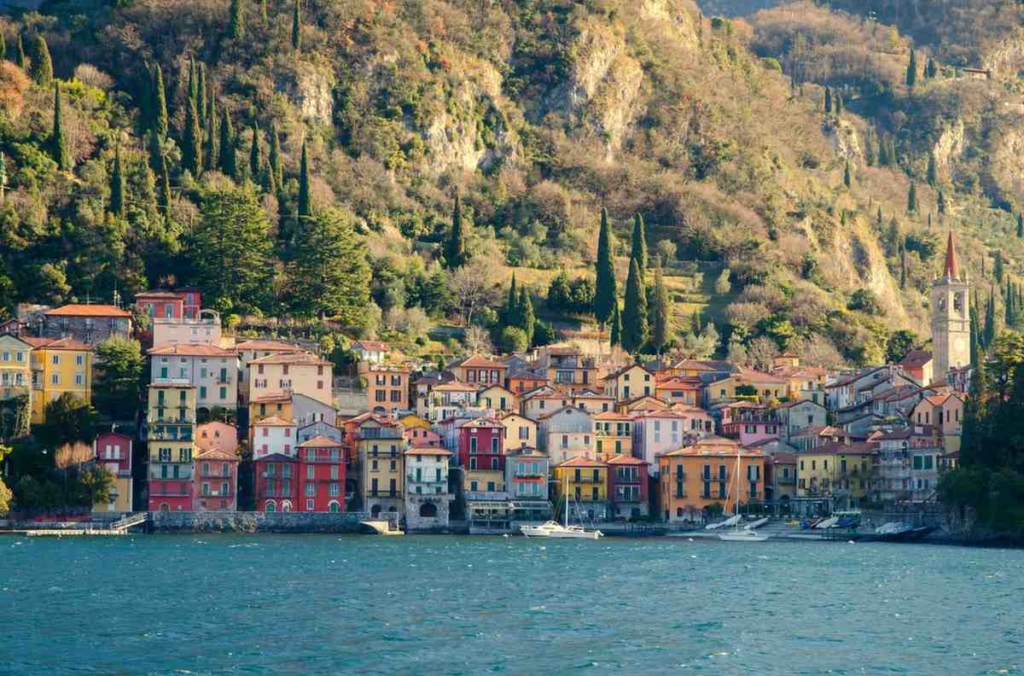
Discover the best destinations, property tips, and lifestyle insights from around the world.
GET YOUR FREE MAGAZINE HERE!


The average house price in Italy in 2026 is about €1,800 to €2,100 per square meter. For example, a 100-square-meter home may cost between €180,000 and €210,000. However, prices are not the same everywhere. In fact, some regions in Northern Italy are much more expensive, while Southern areas tend to be more affordable. Additionally, big cities like Milan and Rome usually cost more than smaller towns, making location a key factor in overall pricing.
In this guide, we will break everything down in simple terms. First, you will see how prices vary by region and city. Then, we will explain the differences between property types, such as apartments and houses. Finally, this information will help you make informed decisions, especially if you are considering buying property abroad, because knowing the average house price in Italy is an important first step.
Understanding the average house price in Italy is important because it helps you see how much homes cost, compare different regions, and make smart choices when buying property abroad. By starting here, you can get a clear idea before diving into specific locations.
On average, homes in Italy cost between €1,800 and €2,100 per square meter. This figure gives a simple snapshot of the general price level across the country. In addition, knowing this number helps you start understanding the real estate market, plan your budget, and avoid surprises when looking for a home.
For a typical 100-square-meter house, the total cost would range from €180,000 to €210,000. However, larger homes naturally cost more, and smaller homes cost less. Furthermore, prices differ depending on the city or region, so the average house price in Italy is just a starting point. Therefore, it is always helpful to check specific locations before making decisions.
Apartments usually cost less per square meter than detached houses. For example, an average apartment may cost about €1,900 per square meter, while a detached house can reach €2,200 per square meter. As a result, choosing between an apartment and a house significantly affects your budget. In addition, understanding these differences is key to understanding the real estate market and making an informed choice.
Type of Property | Average Price per Sq.m | Example Total Cost (100 sq.m) |
Average per Sq.m | €1,800–€2,100 | €180,000–€210,000 |
Average Apartment | €1,900 | €190,000 |
Average Detached House | €2,200 | €220,000 |
By reviewing these numbers, you can easily compare costs and plan ahead. Overall, knowing the average house price in Italy helps when understanding the real estate market and preparing to buy property abroad. This table also shows at a glance the differences between apartments and detached houses, making the housing market easier to understand.
The average house price in Italy changes a lot depending on where you look. Some places cost a lot of money. Other places cost less. First, we will look at the most expensive areas. Then, we will look at the cheaper regions. This makes it easier to understand the real estate industry. It also helps if you want to think about buying property abroad.
The north of Italy and some popular cities are very expensive. For example, Trentino Alto Adige, Aosta Valley, Liguria, Tuscany, Lombardy, and Lazio cost the most. Because of this, the average house price in Italy is usually €2,000 to €2,800 per square meter. Bigger homes cost even more. Also, these regions are popular because of their scenery and old towns.
The south of Italy is cheaper. Regions like Calabria, Molise, Sicily, and Puglia cost less. Here, the average house price in Italy is about €1,100 to €1,500 per square meter. This means you can get more home for your money. Also, these areas still have beautiful landscapes and interesting towns.
By looking at the expensive and cheap regions, you can see the differences in Italy’s housing market. In addition, this helps you understand the real estate industry. It also helps you plan if you want to buy property abroad.
The average house price in Italy is much higher in big cities. This is because more people want to live there. In this section, we will look at Milan, Rome, Florence, and Bologna. You will see why prices are higher, what drives demand, and why city homes cost more than rural ones.
Milan is one of Italy’s most expensive cities. The average house price in Italy is high because many people work in fashion, finance, and design. More people want to live in Milan, so prices go up. Also, city homes are close to shops, schools, and transport. This extra cost is called an urban premium.
Rome is the capital city, so it is very popular. The average house price in Italy is higher here because of government jobs, tourism, and historic neighborhoods. People want to live near famous landmarks and museums. Because of this demand, homes cost more than in smaller towns.
Florence is a city full of art and history. The average house price in Italy is higher because many people want to live near culture and beautiful streets. Tourists also visit a lot, which makes apartments and houses more valuable. This is another reason for the urban premium.
Bologna is famous for its universities and food. The average house price in Italy is higher because students, workers, and families all want to live near the city center. Access to schools, jobs, and shops makes city homes cost more than homes outside the city.
Living in a city costs more because many people want the same homes. Understanding this helps you compare regions and plan if you are thinking about buying property abroad. By looking at Milan, Rome, Florence, and Bologna, you can see why the average house price in Italy is higher in urban areas and how the urban premium works.
The average house price in Italy can change depending on whether you buy an apartment or a house. In this section, we explain how prices differ, maintenance costs, and what people like about each type. This will help you understand things to consider when moving abroad.
Apartments usually cost less per square meter than houses. For example, the average house price in Italy for an apartment might be €1,900, while a detached house can cost €2,200 per square meter. Bigger homes cost more, and location matters.
Houses often cost more to maintain. They have gardens, roofs, and bigger spaces. Apartments may have shared walls and smaller areas, so maintenance is lower. Because of this, choosing an apartment or a house affects your budget.
Apartments are more popular in cities because people want to be close to work, shops, and schools. Houses are often in towns or the countryside, where people enjoy space and privacy. This affects the average house price in Italy.
Investors often like apartments in cities because they rent easily. Houses may give more space, but are slower to sell. Understanding this helps anyone thinking about things to consider when moving abroad or investing in property.
City homes are usually more expensive than rural homes. The average house price in Italy is higher in cities because more people want to live there. Let’s look at why this happens and what it means for buyers.
City homes can cost thousands more per square meter than rural homes. This is called the urban premium. More demand, better services, and convenience make city property pricier.
Many people move to cities for jobs and schools. This increases demand and raises the average house price in Italy. Rural areas have fewer buyers, so homes cost less.
Living in the city gives quick access to shops, restaurants, and hospitals. Rural areas are quieter and more spacious. People choose based on lifestyle, which affects prices.
Because some people work from home, rural homes are becoming more popular. People can afford bigger houses outside cities. This slowly changes the average house price in Italy.
Knowing these differences is important when thinking about things to consider when moving abroad. Understanding apartments, houses, city, and rural prices helps you make better choices and plan your budget carefully.
The average house price in Italy is changing slowly as the market adjusts. In this section, we will look at signs of stability, areas where prices are rising, luxury homes, foreign buyers, and interest rates. This helps anyone browsing international real estate listings understand what is happening.
After a few years of fast growth, the housing market in Italy is calming down. The average house price in Italy is not jumping as quickly as before. This means buyers and sellers can plan more easily. Prices are steady in most regions, giving confidence to people looking at homes.
Some parts of Italy are still growing in value. For example, Tuscany, Lombardy, and Rome show small but steady increases in the average house price in Italy. These areas are popular for their culture, jobs, and lifestyle. Buyers who invest here may see good returns over time.
Luxury homes, especially in cities and coastal areas, are seeing more interest. High-end villas, historic apartments, and designer houses are in demand. Because of this, the average house price in Italy in the luxury segment is higher than that of normal homes.
Foreign buyers continue to buy homes in Italy. This adds demand and can raise the average house price in Italy, especially in popular tourist regions. People looking at international real estate listings often consider Italy because of its history, scenery, and culture.
Interest rates affect how much people can borrow. When rates rise, some buyers may slow down, which can stabilize prices. When rates are low, more people buy, pushing the average house price in Italy higher.
By following these trends, you can understand how the market is moving. This helps anyone exploring international real estate listings make smart decisions and plan their purchases carefully.
The average house price in Italy is important to know if you want to invest. First, we will look at rental income. Then, we will examine tourism demand, long-term growth, and how easy it is to sell. By understanding these factors and seeking legal advice for buying a property, you can make smarter and safer decisions before buying a home abroad.
Many people buy homes in Italy to rent them out. In fact, cities and tourist areas can give good rental income. Because higher demand usually means higher rental prices, this also affects the average house price in Italy. Therefore, areas with strong rental potential often cost more than quieter regions.
Italy attracts millions of tourists every year. As a result, popular cities, lakes, and coastal regions see lots of visitors. Because of this, homes in these areas are in high demand, which makes the average house price in Italy higher in tourist hotspots.
Some areas of Italy grow in value slowly over time. For example, regions like Tuscany, Lombardy, and Rome often see steady price increases. This means buying here could make your property worth more in the future. In fact, this steady growth is one reason why the average house price in Italy continues to rise in certain regions.
Selling property is easier in busy cities and popular tourist areas. On the other hand, homes in remote or rural areas can take longer to sell. Therefore, knowing this helps when planning an investment. In addition, always get legal advice for buying a property to understand local rules, fees, and paperwork before you buy.
By looking at rental yields, tourism demand, long-term appreciation, and liquidity, you can clearly see if buying property is a smart choice. Furthermore, this helps you compare regions and make informed decisions when considering the average house price in Italy.
The average house price in Italy changes a lot depending on the region, city, and type of property. For example, Northern regions and big cities are the most expensive, while Southern regions are more affordable. In addition, apartments usually cost less than houses, and city homes are pricier than rural homes. By understanding rental income, tourism demand, long-term growth, and market trends, you can plan carefully if you want to buy property in Italy. Overall, knowing these basics makes it easier to see which areas fit your budget and lifestyle.
Furthermore, if you are thinking about buying a home or investing, it is always smart to contact us. We can help you compare regions, understand prices, and guide you through the process step by step. By learning the average house price in Italy first, you gain confidence and make informed decisions that are best for your future.
The average house price in Italy varies by region and city. On average, homes cost between €1,800 and €2,100 per square meter, but prices are higher in northern cities and cheaper in southern regions.
City homes cost more because more people want to live near jobs, schools, and shops. This demand creates an urban premium, which increases the average house price in Italy.
Yes. Apartments usually cost less per square meter than detached houses. Apartments are popular in cities, while houses often have larger spaces and gardens.
Yes, foreigners can buy homes in Italy. However, it’s recommended to seek legal advice for buying a property to understand the rules, taxes, and paperwork.
Southern regions like Calabria, Molise, Sicily, and Puglia are the most affordable. In contrast, Northern regions and popular cities like Milan, Rome, and Tuscany are more expensive.
About International Property Alerts
International Property Alerts is a premier global platform connecting real estate investors with handpicked opportunities in emerging and lifestyle-driven markets. Through curated listings, expert guidance, and market insights, we help buyers make confident property decisions worldwide.
Media Contact:

Phone: +4477 1923 8132
📱 WhatsApp: +63927 073 9530
Email: office@internationalpropertyalerts.com
Elle Resort & Beach Club offers a rare chance to own property in one of the most desirable coastal locations. With limited units, strong capital growth potential, and unmatched resort facilities, this is your opportunity to secure a beachfront lifestyle with long-term value.

Thinking about buying property abroad? Don’t make the move without the right knowledge. Our Free Buyers Guide gives you essential insights on legal steps, taxes, financing, and the best markets worldwide. Trusted by international buyers and investors.

Wake up to bright, spacious living with stunning views and modern comforts. Whether for family living, retirement, or a stylish retreat, Sudara Residences makes your dream home a reality
Discover curated property listings with IPS—residential, commercial, villas, land—and get expert guidance through every step.
BONUS: FREE Cambodia Buyer’s Guide

High visibility. Targeted audience. Maximum exposure. Rent this space and let your brand shine.

Get your properties in front of high-intent investors. Showcase your listings to buyers worldwide.

From pounds to pesos, yen to dollars. ⚡ Quick. Easy. Secure.
Compare listings
ComparePlease enter your username or email address. You will receive a link to create a new password via email.