When people ask is Cambodia a poor country, the best answer is simple. Cambodia is a developing country with real progress and real needs. It is not classed as an extremely poor country. The World Bank lists Cambodia as a lower-middle-income country. This means the country has moved forward, but many people still face money, job, and service gaps.
What Lower-Middle-Income Means?
Lower-middle-income means Cambodia has more income than the poorest nations. It also means the country still has room to grow. Many families can meet basic needs, but others still live close to the poverty line.
Cambodia has improved through steady growth in tourism, farming, clothing production, building work, and trade. Cities like Phnom Penh and Siem Reap have more jobs, roads, shops, hotels, and business activity. These areas often show the stronger side of the economy. Still, this does not mean all people share the same progress. Rural families may have fewer services. Some areas still need better schools, clinics, roads, clean water, and stable jobs.
Why Cambodia Still Faces Challenges?
Many readers ask, is Cambodia a rich or poor country because the answer can look different by location. In busy cities, people may see new buildings and modern shops. In small villages, life can still feel hard.
So, why is Cambodia a poor country in some places? Part of the answer comes from history, rural poverty, and limited access to services. The Khmer Rouge period also caused deep harm. It hurt families, schools, work systems, and public services for many years.
Common challenges include:
- Low income in some rural areas
- Limited health care access
- Uneven school quality
- Weak roads outside key cities
- Fewer job choices in small towns
- A wide gap between city and rural life
What This Means for Expats and Buyers?
Many people also ask, is Cambodia still a poor country before moving, retiring, or buying property. The fair answer is that Cambodia is growing, but buyers must study each area with care.
International Property Alerts helps readers compare locations, living needs, and housing choices through an international real estate website. This can help expats and retirees better understand lifestyle, cost, and foreign property ownership in Cambodia before they make a plan. So, is Cambodia a poor country? Cambodia is better described as a developing country with strong growth, deep culture, and some serious gaps that still need work.
Why Is Cambodia Poor in Some Areas Despite Recent Growth?
Many readers ask why is Cambodia a poor country in some areas when its cities keep growing. The answer starts with uneven progress. Cambodia has more jobs, trade, and new buildings than before. Still, many rural families do not share the same gains.
Rural Poverty Still Affects Many Families
Rural poverty remains a key issue. Many families outside major cities depend on farming, small trade, or day work. Their income can change with weather, crop prices, and local demand.
Some villages still lack strong roads, safe water, stable power, and nearby clinics. These gaps make daily life harder. They also make it harder for families to save money or find better work. This is why the question is Cambodia still a poor country needs a fair answer. Cambodia has improved, but not every place has improved at the same pace.
History Still Shapes Cambodia
Cambodia’s past also affects its growth. The Khmer Rouge period caused deep harm to families, schools, public offices, and skilled workers. The country had to rebuild many parts of life from a very low point. This history still matters because strong schools, health care, and public systems take time to build. It can take many years for poor areas to gain enough trained workers, teachers, doctors, and local services.
Schools, Health Care, and Roads Need More Support
In some areas, children may have fewer school choices. Families may need to travel far for health care. Poor roads can also limit access to jobs, markets, and services. These problems often connect with each other. A weak road can make it harder to reach school. A lack of clinics can raise family costs. Low pay can make it hard to keep children in school.
Common challenges include:
- Low income in rural towns
- Limited health care access
- Fewer strong schools
- Poor road links in remote areas
- Fewer steady jobs
- High costs during illness or job loss
Growth Has Changed Many Parts of Cambodia
Cambodia has also made clear progress. Tourism has brought jobs to places like Siem Reap and coastal areas. Garment work has helped many families earn wages. Farming still supports large parts of the country. Construction has changed city life in Phnom Penh and other growing centers. This is why many people ask is Cambodia a rich or poor country. The answer depends on the place, job access, and quality of life. A city may feel active and modern. A rural area may still need basic support.
What Does This Means for Buyers and Expats?
For expats, retirees, and buyers, Cambodia can offer a lower cost of living and growing city markets. Still, each area is different. A person looking at property for sale in Cambodia should compare health care, roads, safety, transport, and daily costs before choosing a location. Cambodia is growing, but some areas still face deep needs. A smart move starts with local research and clear advice.
Is Cambodia a Rich or Poor Country?
Many people ask is Cambodia a rich or poor country because the answer is not simple. Cambodia has grown a lot, but many families still face hard living conditions. The country has busy cities, active trade, and a growing tourism market. It also has rural areas where people still need better jobs, roads, schools, and health care.
Cambodia is not one of the poorest countries in the world. It is a lower-middle-income country. This means it has moved past very low-income status, but it still has many needs. So, the answer depends on what you look at.
Income and Daily Life
Income is one way to measure if a country is rich or poor. In Cambodia, income can change a lot from one place to another. People in Phnom Penh may find more work, higher pay, and better services. People in rural areas may rely on farming, small shops, or family support.
This gap makes the country hard to judge with one label. Some areas feel modern and fast-growing. Other areas still face poor housing, low income, and limited public services.
Growth and Better Opportunities
Cambodia has made strong progress through tourism, garment work, farming, and building projects. These fields have helped create jobs and support local trade.
Still, growth does not reach every family in the same way. Some workers earn low wages. Some rural families have fewer ways to improve their income. This is one reason people also ask why is Cambodia a poor country in some areas.
Access to Basic Services
A country can grow and still have service gaps. In Cambodia, access to clean water, good schools, clinics, and safe roads can depend on location.
Key gaps may include:
- Fewer health care options in rural areas
- Limited school access in some villages
- Lower pay outside major cities
- Weak roads in remote places
- Less stable work for some families
Quality of Life for Expats and Buyers
For expats and retirees, Cambodia may offer a lower cost of living, warm communities, and a slower pace. Still, buyers should study each location with care. They should also review the rules and tips for buying property safely in Cambodia before making plans.
So, is Cambodia still a poor country? Cambodia is better seen as a growing country with both progress and problems. Its wealth depends on where you live, what services you need, and how you define a good life.
Why Is Cambodia Poor in Some Areas Despite Recent Growth?
Many readers ask why is Cambodia a poor country in some areas when its cities keep growing. The answer starts with uneven progress. Cambodia has more jobs, trade, and new buildings than before. Still, many rural families do not share the same gains.
Rural Poverty Still Affects Many Families
Rural poverty remains a key issue. Many families outside major cities depend on farming, small trade, or day work. Their income can change with weather, crop prices, and local demand.
Some villages still lack strong roads, safe water, stable power, and nearby clinics. These gaps make daily life harder. They also make it harder for families to save money or find better work. This is why the question is Cambodia still a poor country needs a fair answer. Cambodia has improved, but not every place has improved at the same pace.
History Still Shapes Cambodia
Cambodia’s past also affects its growth. The Khmer Rouge period caused deep harm to families, schools, public offices, and skilled workers. The country had to rebuild many parts of life from a very low point.
This history still matters because strong schools, health care, and public systems take time to build. It can take many years for poor areas to gain enough trained workers, teachers, doctors, and local services.
Schools, Health Care, and Roads Need More Support
In some areas, children may have fewer school choices. Families may need to travel far for health care. Poor roads can also limit access to jobs, markets, and services.
These problems often connect with each other. A weak road can make it harder to reach school. A lack of clinics can raise family costs. Low pay can make it hard to keep children in school.
Common challenges include:
- Low income in rural towns
- Limited health care access
- Fewer strong schools
- Poor road links in remote areas
- Fewer steady jobs
- High costs during illness or job loss
Growth Has Changed Many Parts of Cambodia
Cambodia has also made clear progress. Tourism has brought jobs to places like Siem Reap and coastal areas. Garment work has helped many families earn wages. Farming still supports large parts of the country. Construction has changed city life in Phnom Penh and other growing centers.
This is why many people ask is Cambodia a rich or poor country. The answer depends on the place, job access, and quality of life. A city may feel active and modern. A rural area may still need basic support.
What This Means for Buyers and Expats?
For expats, retirees, and buyers, Cambodia can offer a lower cost of living and growing city markets. Still, each area is different. A person looking at property for sale in Cambodia should compare health care, roads, safety, transport, and daily costs before choosing a location. Cambodia is growing, but some areas still face deep needs. A smart move starts with local research and clear advice.
Poverty in Cities and Rural Areas: What It Means for Expats and Retirees?
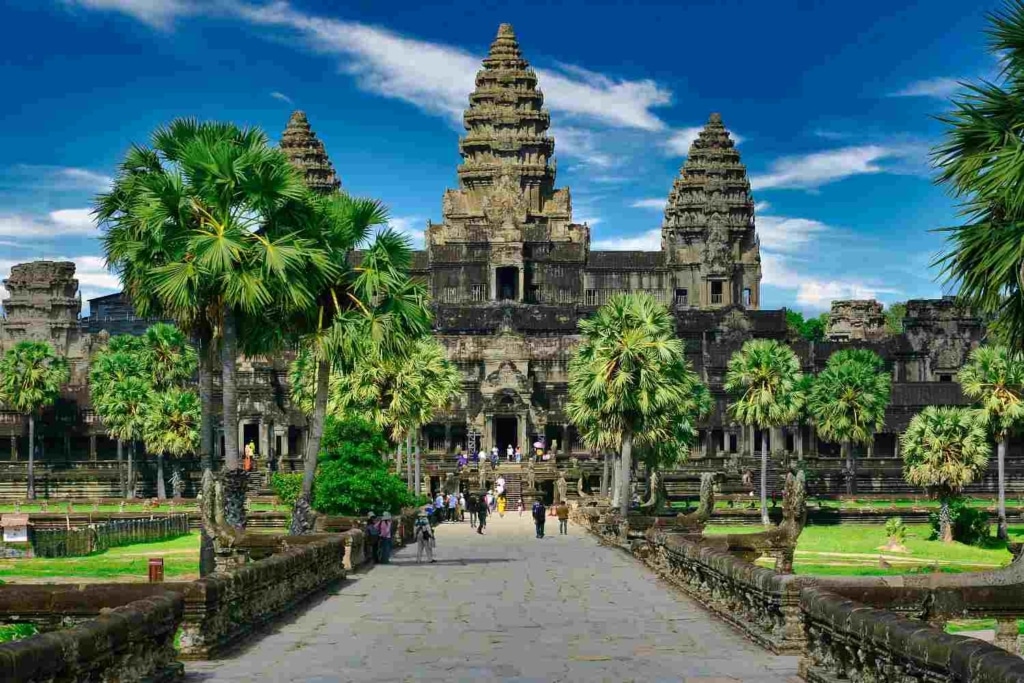
Cambodia can look very different from one place to another. Phnom Penh has the most jobs, offices, hospitals, schools, and new buildings. Siem Reap has a strong tourism base because many visitors come to see Angkor Wat. These cities often give people better access to work, services, and modern housing.
Rural provinces can feel much different. Many families depend on farming, fishing, small shops, or day work. Some areas still need better roads, clean water, clinics, schools, and stable power. This gap explains why some people ask why is Cambodia a poor country in certain places.
City Life and Rural Life
City life often offers more choices. People may find more rentals, shops, banks, health care centers, and transport. Expats and retirees may also find more English-speaking services in Phnom Penh and Siem Reap.
Rural life may cost less, but it can also bring more limits. A low-cost town may not have close medical care. It may have fewer transport options. It may also have fewer housing choices that meet foreign buyer needs. This is why the question is Cambodia a rich or poor country needs a clear view of location. Cambodia has growing cities, but rural areas may still face hard limits.
What Expats and Retirees Should Check?
Cambodia may suit expats and retirees who want lower living costs, warm weather, and a slower pace. Still, each place has different strengths and risks.
Before choosing a location, check:
- Nearby hospitals and clinics
- Road access and public transport
- Housing quality and lease terms
- Food, utility, and service costs
- Internet speed and phone signal
- Safety, noise, and flood risk
- Local shops, banks, and support services
Retirees should check medical access first. A quiet area may seem ideal, but urgent care may be far away. Transport also matters if you do not plan to drive each day.
What This Means for Property Buyers?
Buyers should study the local economy before they compare homes. Phnom Penh may offer stronger rental demand. Siem Reap may appeal to buyers who want tourism links. Coastal and rural areas may offer lower prices, but they may also have fewer services.
The best cities to buy property in Cambodia for investors may depend on goals. Some buyers want rental income. Others want long-term growth or a quiet place to live. So, is Cambodia still a poor country? Cambodia is growing, but the gap between cities and rural areas remains clear. A good choice depends on your budget, health needs, lifestyle, and property plan.
Should You Move to Cambodia or Buy Property There?
Cambodia may be a good fit for some expats and retirees. It can offer warm weather, lower living costs, friendly local life, and a slower pace. Still, it is not the right choice for every person. Before moving or buying, ask what kind of life you want. Do you need close health care? Do you want city services and do you prefer a quiet town? Your answer can shape the best place for you.
What Expats and Retirees Should Check?
Many people ask is Cambodia a rich or poor country before they move. The better question is how each location fits your needs. Phnom Penh may offer more hospitals, shops, banks, and transport. Siem Reap may suit people who like culture and tourism. Rural areas may cost less, but services may be limited.
Check these points before you decide:
- Health care access
- Safe transport
- Local housing quality
- Flood risk
- Visa rules
- Daily costs
- Internet service
- Nearby shops and banks
What Buyers Should Know?
Property buyers need local research. Cambodia has clear appeal, but each area has different risks and rules. Buyers should review title, lease terms, ownership limits, taxes, fees, and local laws before they sign any deal. This also helps answer why is Cambodia a poor country in some areas. Some places still need stronger roads, schools, clinics, and public services. That can affect both daily life and property value.
Use Clear Local Guidance
International Property Alerts can help readers compare areas through an international real estate website. This makes it easier to study the Cambodia property market 2026 with care. So, is Cambodia still a poor country? Cambodia is growing, but local gaps remain. A smart move starts with facts, clear advice, and a location that fits your life.