Property development marketing helps a project stand out in a crowded market. Buyers often compare many homes, buildings, and investment options before they decide. A clear marketing plan helps people understand the project. It shows what makes the property useful, valuable, and different from nearby options. Strong marketing also helps developers build trust, attract buyers, and support faster sales.
It Helps Your Project Stand Out
Many property projects compete for the same buyers. They may offer similar prices, locations, layouts, and features. Without clear marketing, a project can become easy to ignore. Property development marketing gives the project a clear message. It explains why buyers should choose it over other options.
This message may focus on:
- A strong location
- Useful building features
- Modern home designs
- Nearby schools and shops
- Easy travel options
- Rental income potential
- Future area growth
Clear property marketing strategies help buyers understand these benefits quickly. They also make the project easier to remember.
It Builds Trust With Buyers
Buying a property is a major choice. Buyers want clear facts before they commit. hey want to know who built the project. They also want to understand the price, schedule, features, and payment terms. Strong marketing gives buyers this information in a simple way.
A professional website can show:
- Floor plans
- Project images
- Building details
- Payment options
- Completion dates
- Developer history
- Contact details
- Common buyer questions
This information can reduce doubt. It can also make buyers feel more secure. Buyers may also seek legal advice for buying a property before they sign an agreement. Clear project details can help them prepare for that process.
It Can Support Faster Sales
A project may struggle when marketing starts too late. Developers should build interest before the official launch. Early marketing can help create a list of possible buyers.
These buyers may sign up for updates, request prices, or book a call. When the project launches, the sales team already has people to contact. This can shorten the time needed to gain attention.
A strong campaign can include:
- Search engine content
- Social media posts
- Paid ads
- Email updates
- Landing pages
- Video tours
- Online inquiry forms
Each channel helps bring more people into the sales process. Faster sales can also improve cash flow. They may help the developer move the project forward with less delay.
It Can Increase Perceived Value
Buyers often judge a project by how it looks and feels. Weak images can make a good project seem less valuable. Poor writing can also make the offer hard to understand. High-quality marketing gives the project a stronger image.
Professional photos, 3D views, videos, and floor plans help buyers picture the finished space. Clear writing also shows the value of the location, design, and lifestyle.
For example, a campaign may explain how the property offers:
- More space
- Better views
- Private features
- Easy access to key areas
- Strong rental demand
- Modern design
- Lower care needs
These details can make the property feel more useful and more desirable. Buyers may then see the price as fair because they understand what they will receive.
It Builds Investor Confidence
Investors look at more than the design of a property. They also study risk, demand, rental income, and future growth. Good marketing should give investors clear and useful facts.
It may explain:
- Local property demand
- Expected rental interest
- Nearby development plans
- Local job growth
- Tourism demand
- Supply levels
- Buyer interest
- Long-term value
Investors need honest information. They should not receive promises that the project cannot support. Clear facts help investors make better choices. They also show that the developer understands the market. Property development marketing can support investor confidence by presenting the project in a clear and professional way.
It Keeps the Sales Message Consistent
A property project may use many sales channels. These may include a website, social media pages, sales agents, brochures, emails, and online ads. Every channel should share the same key message. The price, features, timeline, and benefits should remain clear across all materials. Mixed messages can confuse buyers. They can also reduce trust.
A clear brand guide can help the team use the same:
- Project name
- Logo
- Colors
- Images
- Tone
- Main selling points
- Contact details
A consistent message makes the project look more organized. It also helps buyers recognize the project across different channels.
It Helps Developers Reach the Right Buyers
Not every buyer wants the same property. Some buyers want a family home. Others want a rental property, vacation home, or business space. A good marketing plan identifies the main audience first. The campaign can then focus on what each group values most.
Families may care about schools, safety, and space. Investors may care about rental demand and future growth. Retirees may care about comfort, health care, and easy access. Business buyers may care about location, traffic, and nearby services. When developers speak to the right people, they can attract stronger leads. This can improve the chance of making a sale.
The Four Stages of Property Development Marketing
Every successful project follows a clear marketing plan. Each stage has a different goal, but they all work together. Property development marketing starts long before construction begins and continues after most units are sold.
When developers plan each stage carefully, they can build trust, attract qualified buyers, and increase sales. Property development marketing also helps teams stay organized from the first idea to the final sale.
Pre-Development
The pre-development stage begins before construction starts. This is the time to build a strong foundation for the project. Developers should create a clear brand that reflects the project’s style and purpose. A memorable name, logo, and visual design help buyers recognize the project.
A professional website is also important. It should explain the project, share updates, and make it easy for visitors to contact the sales team. Search engine optimization, or SEO, should begin early. Good SEO helps the website appear when buyers search online for similar properties. Audience research is another key step. Developers should learn about their ideal buyers before creating marketing campaigns.
Ask questions such as:
- Who is most likely to buy this property?
- Are they families, investors, or retirees?
- What features matter most to them?
- What price range fits their budget?
- Where do they search for property?
These answers help create better content and stronger marketing campaigns. This stage is also a good time to prepare photos, floor plans, videos, and project information for future promotions.
Pre-Construction
The pre-construction stage focuses on creating excitement before the official launch. Developers want people to notice the project early. This helps build interest before homes or commercial spaces become available. Simple teaser campaigns can introduce the project without revealing every detail.
These campaigns may include:
- Social media posts
- Short videos
- Project previews
- Website countdowns
- Email announcements
Landing pages can collect contact information from interested buyers. Many developers also create waitlists. A waitlist allows buyers to receive updates before the public launch. This early list often includes buyers who are serious about making a purchase.
At this stage, real estate lead nurturing becomes important. Developers should stay in touch through helpful emails, project updates, and new announcements. Regular communication keeps buyers interested while the project moves forward.
Launch
The launch stage is when the project officially enters the market. This is often the busiest part of the campaign. The goal is to attract qualified buyers and convert interest into sales. Developers may use several marketing channels at the same time.
These include:
- Google Ads
- Social media advertising
- Email campaigns
- Press releases
- Online listings
- Video marketing
- Search engine optimization
Open events also give buyers the chance to learn more about the project.
These events may include:
- Sales presentations
- Property showcases
- Virtual tours
- Model home visits
- Question-and-answer sessions
The sales team should respond quickly to every inquiry. Fast responses help buyers stay interested and move closer to making a decision. Strong real estate development marketing also keeps all marketing materials consistent. Buyers should see the same message across the website, social media, emails, and advertisements.
Close-Out
The close-out stage begins when only a small number of units remain. The focus now shifts to selling the remaining inventory. Developers can create a sense of urgency by showing limited availability. Buyers often act faster when they know only a few units are left. Special promotions may also encourage faster decisions.
Examples include:
- Limited-time offers
- Upgrade packages
- Closing cost assistance
- Flexible payment options
Satisfied buyers can also help promote the project. Developers should ask happy owners to recommend the project to friends and family. Referrals often bring trusted and qualified buyers. Remarketing is another useful strategy during this stage.
Some visitors may have viewed the website but never contacted the sales team. Online remarketing ads remind these buyers about the project and encourage them to return. The close-out stage is also a good time to collect testimonials, success stories, and customer reviews. These materials help support future property developments and strengthen the developer’s reputation. By following these four stages, developers can create a clear marketing plan from beginning to end. Each stage supports the next one and helps build stronger buyer relationships, better sales results, and long-term project success.
Use Visual Content That Sells the Vision
Buyers need to see what a property may look like before they make a choice. This can be hard when construction has not started. Strong visual content helps buyers picture the finished project. It can show the design, rooms, views, and nearby area.
Visuals play a key role in property development marketing. They turn plans and ideas into clear images that buyers can understand. Good visual content can also build trust. It helps buyers feel more sure about the property and its value.
Show the Finished Project With 3D Renderings
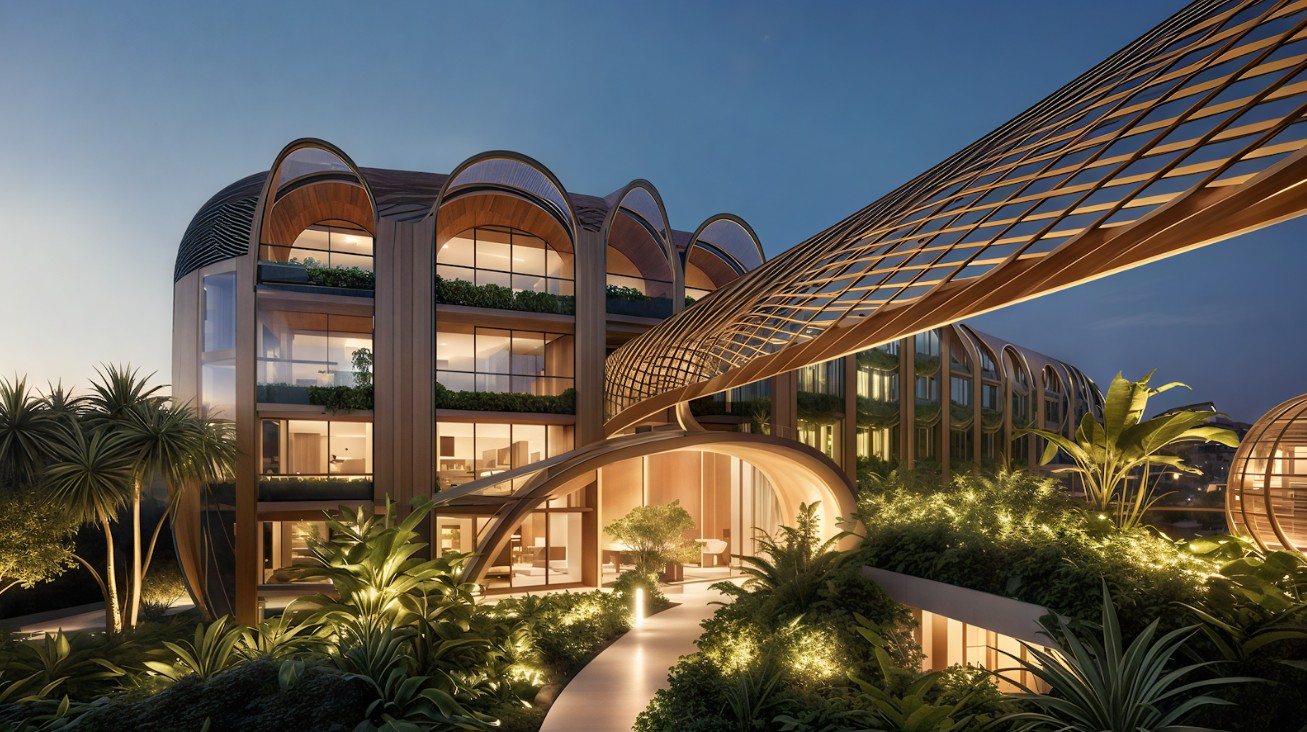
A 3D rendering shows how a property may look after construction. It can show the outside of a building or the inside of a room. These images help buyers understand the full design. They can see colors, furniture, lighting, and key features.
Developers can use renderings to show:
- Building exteriors
- Living rooms
- Bedrooms
- Kitchens
- Shared spaces
- Pools and gardens
- Shops and offices
- Views from the property
Renderings should look clear and true to the final plans. Images that look too perfect may lower trust. Add a note when an image is for display purposes. This helps buyers know that some final details may change.
Use Drone Footage to Show the Location
Drone footage gives buyers a wider view of the project and its location. Aerial photos can show the land, nearby roads, beaches, parks, and other useful places. This helps buyers understand the area better.
Drone footage works well for projects near:
- Coastlines
- Mountains
- City centers
- Tourist areas
- Golf courses
- Business districts
- Major roads
- Public transport
Short drone videos can also show how easy it is to reach nearby places. The footage should focus on real benefits. Avoid showing views that buyers will not have from the property.
Offer Virtual Tours
Virtual tours let buyers view a property from their phone or computer. They can move through each room at their own pace. This is useful for overseas buyers who cannot visit the site in person. A good virtual tour should be easy to use. It should also work well on mobile devices.
Virtual tours can include:
- Room labels
- Floor details
- Clear directions
- Zoom controls
- Property features
- Views from windows
- Links to more information
These tours help buyers spend more time with the project. They may also lead to more questions and sales calls. Developers should keep the tour simple. Buyers should not need special software or in person AI training to use it.
Create Short and Helpful Videos
Video can explain a project faster than a long page of text. It can combine images, sound, movement, and spoken details.
A project video may show:
- The property design
- Building features
- The local area
- Nearby services
- The project team
- Construction updates
- Buyer stories
Keep each video focused on one clear topic. Short videos are often easier to watch and share. Use simple words in the script. Add captions so people can follow the message without sound. Videos can support property development marketing across websites, email campaigns, and social media pages.
Use Professional Photography
Professional photos help a project look clear and trustworthy. Photos can show the site, local area, completed work, sample rooms, and the people behind the project. Good lighting and clean spaces make each image easier to understand. Photos should also show the property from several angles.
Useful photos may include:
- The development site
- Streets around the project
- Nearby shops and services
- Local parks and beaches
- Sample rooms
- Building materials
- Construction progress
- Project staff
Use real photos when possible. Stock images may make the project feel less personal. Real photos can also support real estate lead generation. Buyers may be more willing to submit an inquiry when they trust what they see.
Make Floor Plans Easy to Read
Floor plans help buyers understand the size and shape of a property. They show how rooms connect and how people may use the space. Buyers can also compare different units before making a choice.
Each floor plan should include:
- Room names
- Room sizes
- Doors and windows
- Storage areas
- Outdoor spaces
- Total floor area
- Unit direction
- Key measurements
Use large text and clear labels. Avoid small details that make the plan hard to read. Offer floor plans as images and downloadable files. This gives buyers an easy way to save and compare them.
Keep Every Visual Clear and Honest
Every image should match the project plans as closely as possible. Do not use visuals that hide key facts or create false ideas. Honest content builds stronger trust with buyers and investors.
Before publishing any visual, check that it is:
- Clear and sharp
- Easy to understand
- Accurate
- Mobile-friendly
- Properly labeled
- Fast to load
- Consistent with the brand
Use the same colors, fonts, and style across all visuals. This helps buyers recognize the project on every platform. Strong visual content gives buyers a clear view of the project before it is complete. It can build interest, support trust, and help buyers take the next step.
Lead Generation Strategies That Work
A strong lead plan helps developers find people who may want to buy or invest. It also helps the sales team focus on the right prospects. Property development marketing works best when each channel has a clear goal. Every ad, page, and email should guide the buyer toward one next step.
That step may be:
- Requesting more details
- Joining a waitlist
- Booking a call
- Downloading a brochure
- Asking about prices
- Scheduling a site visit
Use Google Ads to Reach Active Buyers
Google Ads can reach people who are already searching for property. These users often have strong interest because they are looking for a clear solution. They may search by location, property type, price, or investment goal.
A useful Google Ads campaign should include:
- Clear keywords
- Simple ad copy
- A focused landing page
- A strong call to action
- Easy contact forms
- Fast mobile loading
Each ad should match the page it sends people to. This helps visitors find the right details without extra steps. Avoid broad keywords that bring the wrong traffic. Focus on terms that show clear buying intent.
Use Facebook to Build Awareness
Facebook can help developers reach buyers based on age, interests, location, and online habits. It works well during the early stages of a project. It can introduce the development before buyers start searching for it.
Useful Facebook content may include:
- Project images
- Short videos
- Area guides
- Buyer stories
- Floor plan previews
- Launch updates
- Event invites
Keep each message simple. Show one main benefit in each ad. Facebook forms can also collect contact details without sending users to another page. This can make the sign-up process faster.
Use Instagram to Show the Lifestyle
Instagram is a strong platform for visual property content. It can show the design, location, views, and local lifestyle. This helps buyers picture what life may feel like in the area.
Useful Instagram content may include:
- Reels
- Story updates
- Drone clips
- Room designs
- Site progress
- Local places
- Short buyer tips
Use clear captions and simple calls to action. Ask users to send a message, join a list, or view the project page. Instagram can support property development marketing by turning visual interest into real inquiries.
Build Focused Landing Pages
A landing page should focus on one project and one main action. It should not include too many links or unrelated details. Too many choices can confuse visitors and lower sign-ups.
A good landing page should include:
- A clear heading
- Strong project images
- Key property benefits
- Price or offer details
- Floor plan options
- Trust signals
- A short contact form
- One clear call to action
Keep the form simple. Ask only for the details the sales team truly needs. A name, email address, and phone number may be enough at first.
Use Email Marketing to Stay in Touch
Email marketing helps developers stay connected with interested buyers. Most people do not buy after one visit. They often need more facts, more time, and more trust. Send useful emails that answer common questions.
These emails may include:
- Project updates
- New images
- Price releases
- Floor plans
- Local area guides
- Build progress
- Event invites
- Limited offers
Keep each email focused on one topic. Use a short subject line and a clear next step. Do not send too many emails. A steady schedule works better than constant messages.
Use a CRM to Track Every Lead
A CRM is a tool that stores buyer details and contact history. It helps the team see who asked for information, opened an email, or booked a call.
A CRM can track:
- Contact details
- Buyer interests
- Budget range
- Preferred unit
- Past messages
- Sales stage
- Follow-up dates
- Notes from calls
This helps the sales team stay organized. It also lowers the risk of losing a strong lead. The team should update the CRM after every call, email, or meeting.
Use Automation for Simple Tasks
Automation can save time on repeated work. It can send emails, assign leads, and remind the sales team to follow up.
Useful automated tasks may include:
- Welcome emails
- Brochure delivery
- Follow-up reminders
- Event confirmations
- Lead alerts
- Waitlist updates
- Missed-call messages
Automation should support the team, not replace personal contact. A buyer with strong interest should still receive a real call or direct email. Teams may also improve their process through on-site team training. This helps staff use tools in a clear and consistent way.
Nurture Leads With Helpful Follow-Up
Lead nurturing means staying in touch with people who are not ready to buy yet. Some buyers need weeks or months before making a choice. Regular follow-up keeps the project fresh in their minds.
Helpful follow-up may include:
- New project details
- Answers to common questions
- Price changes
- Build updates
- Unit availability
- Local market news
- Event reminders
Each message should offer real value. Avoid sending the same sales message again and again. The team can also use on-site workshop facilitation to improve call scripts, follow-up steps, and lead handling.
Respond Quickly to New Inquiries
Fast replies can increase the chance of a sale. Buyers may contact several projects at the same time. The first helpful reply can make a strong impression.
Set a clear response process for:
- Website forms
- Social messages
- Emails
- Phone calls
- Ad leads
- Event sign-ups
Send a quick first reply, then follow with more details. Even a short message can confirm that the inquiry reached the right person.
Review and Improve Each Channel
Not every channel will give the same results. Track how many leads come from each source. Also check how many calls, visits, and sales.
Review:
- Cost per lead
- Form completion rate
- Email open rate
- Call bookings
- Site visits
- Sales results
- Lead quality
Remove weak ads and improve strong ones. A clear lead system helps developers spend their budget wisely. It also helps the sales team build stronger buyer relationships.