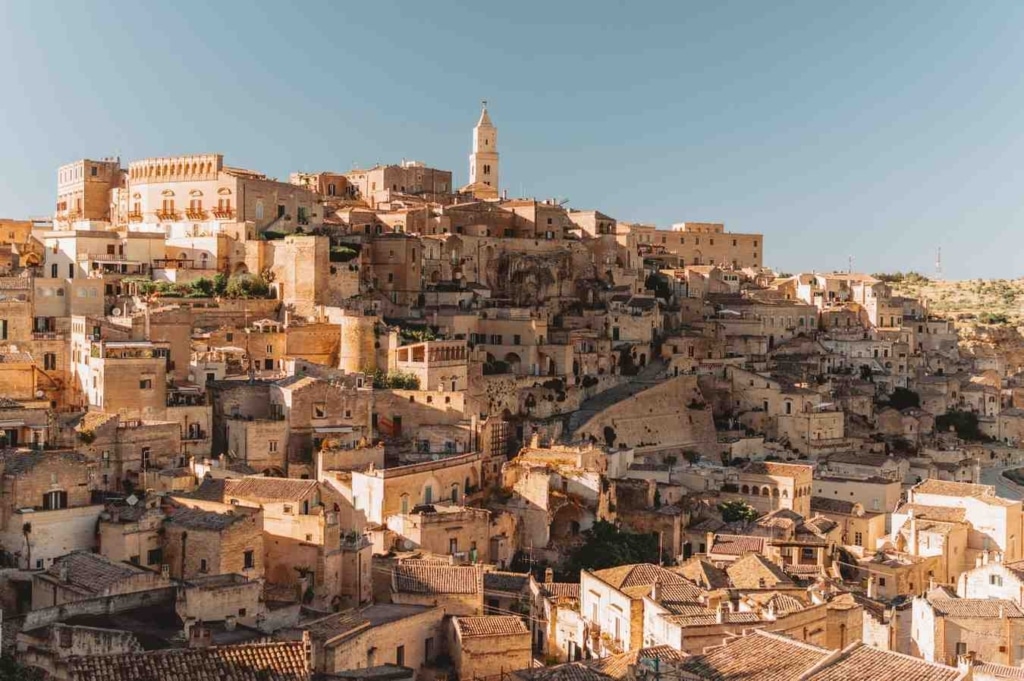
The cheapest property in the world often includes old homes in small towns and rural areas. Some homes sell for only a few dollars. Others cost less than a used car. These low prices may seem surprising, but there are clear reasons behind them.
Many countries have small towns that have lost people over the years. Young people often move to large cities for work. As a result, many homes sit empty. Some owners leave these homes behind. Others pass away, and no one takes over the property.
Because of this, local leaders want to bring life back to these areas. They hope new buyers will repair old homes and help local communities grow again. This is why some places offer very low home prices.
Why Is the Cheapest Property in the World So Cheap?
Several factors can lower home prices in some countries and regions.
- Fewer people live in small towns.
- Young families move to bigger cities.
- Many houses stay empty for years.
- Older residents make up most of the population.
- Some homes need major repairs.
- Local governments want to attract new residents.
These reasons help explain why the cheapest property in the world can cost much less than homes in major cities.
Population Decline Creates Lower Prices
Many rural areas have fewer people than they did years ago. Jobs, schools, and services are often better in larger cities. Because of this, people leave small towns. Empty homes become more common, and prices drop. In some villages, only older people remain. Fewer buyers mean lower home values. Owners may sell at very low prices just to avoid maintenance costs.
Empty Villages Have Many Abandoned Homes
Some villages have dozens of empty houses. These homes may have been vacant for many years. Many need repairs before people can live in them again.
Common problems include:
- Damaged roofs
- Old plumbing
- Broken windows
- Outdated electrical systems
- Poor insulation
These repair costs often explain the low price tags.
Aging Communities Need New Residents
Many small towns have aging populations. Older residents retire, and younger people move away. This creates a need for new families and workers. Without new residents, local shops and services may close. Town leaders know this. They want people to move in and help keep their communities alive.
Governments Offer Cheap Homes to Attract Buyers
Some governments and local councils create programs to attract new people. They hope buyers will restore old houses and support the local economy.
These programs often aim to:
- Save historic homes.
- Increase the local population.
- Create jobs.
- Support local businesses.
- Bring new life to quiet towns.
While low prices can look attractive, buyers should always remember that cheap homes often need time, money, and careful planning. A low purchase price does not always mean a low total cost.
Where to Find the Cheapest Property in the World?
Many buyers search for the cheapest property in the world because they want a low-cost home or a unique investment. Several countries offer very cheap houses. Some homes cost only a few dollars. Others sell for less than $15,000. The cheapest property in the world is often found in small towns and rural areas. These homes usually need repairs. Buyers should also learn local rules before making a purchase.
Italy: 1 Euro Houses and Low-Cost Homes
Italy is famous for its 1 Euro House programs. More than 70 towns take part in these programs. Many are in Sicily, Sardinia, and Campania. These homes have very low prices because many people have left these towns. Local leaders want new residents to move in and restore old buildings.
What Are 1 Euro Houses?
A 1 Euro House is an old home sold for about one euro. The price sounds amazing, but there are rules.
Most buyers must:
- Pay a security deposit.
- Renovate the home within a set time.
- Follow local building rules.
- Cover all repair costs.
Renovation Rules
Most homes need major work. Buyers often spend much more on repairs than on the purchase itself.
Common rules include:
- Deposits of €2,000 to €5,000.
- Renovation deadlines.
- Building permits.
- Local legal requirements.
Many owners spend more than €15,000 on repairs.
Pros and Cons
Benefits
- Very low purchase price.
- Beautiful locations.
- Historic homes.
- A chance to enjoy life in Italy.
Risks
- High repair costs.
- Strict rules.
- Extra legal fees.
- Long renovation projects.
Bulgaria: Rural Homes Under $5,000
Bulgaria offers some of the lowest home prices in Europe. Small villages like Karantsi have many old homes for sale. Prices often range from $3,000 to $5,000. Some homes cost even less.
Many properties have:
- Large yards.
- Quiet surroundings.
- Old structures.
- Basic living conditions.
Hidden Costs
Cheap homes often need updates before people can live in them.
Common expenses include:
- New plumbing.
- Roof repairs.
- Electrical work.
- Utility connections.
- Interior upgrades.
These costs can add thousands of dollars.
Romania: Cheap Village Homes Under $15,000
Romania also offers low-cost homes. Small villages have many older properties for sale. Some homes sell for less than $15,000. Prices depend on location and condition.
Life in rural Romania offers:
- Peaceful surroundings.
- Lower living costs.
- Large gardens.
- Traditional villages.
Many homes need repairs and modern updates. Buyers should inspect the property before making a decision.
Japan: Akiya Homes and Empty Houses
Japan has many empty homes called Akiya. These houses became vacant as the population declined. Some Akiya homes sell for only $500 to $5,000. Others are given away through local programs.
What Are Akiya Homes?
Akiya homes are abandoned houses found in smaller towns and villages.
These homes became empty because:
- People moved to cities.
- Families became smaller.
- Older owners passed away.
- Fewer young people stayed in rural areas.
Costs Buyers Should Know
The purchase price is only one part of the cost.
Buyers should plan for:
- Property taxes.
- Repairs.
- Earthquake upgrades.
- Maintenance costs.
- Utility work.
Some homes need complete renovations.
Other Countries with Cheap Property
Several other countries also offer affordable homes.
Turkey
Turkey has many low-cost apartments and houses. Smaller cities often have the best deals.
Greece
Some villages in Greece offer old homes at affordable prices. Buyers can enjoy beautiful scenery and island life.
Spain
Spain has many inexpensive homes in rural areas. Some villages also run programs to attract new residents.
Croatia
Croatia offers affordable homes outside popular tourist areas. Buyers can find traditional houses at lower prices.
Mexico
Mexico remains popular with foreign buyers. Smaller towns often have homes with reasonable prices and lower living costs.
Tips Before Buying Cheap Property
Buying a cheap home takes careful planning. Good research can help you avoid costly mistakes.
Here are some useful property buying tips:
- Visit the home before buying.
- Check the condition carefully.
- Learn local laws.
- Set aside money for repairs.
- Hire trusted local experts.
- Compare several properties.
You should also seek legal advice for buying a property. This step can help you understand taxes, contracts, and ownership rules before you invest overseas.
Hidden Costs Behind the Cheapest Property in the World
The cheapest property in the world may look like an amazing deal. However, the purchase price is only part of the total cost. Many buyers spend much more on repairs, taxes, and fees after buying a home. Before you invest, it is important to understand the hidden costs. A cheap house today can become expensive later. This is true even when buying cheap houses overseas.
Renovation Costs Can Add Up Fast
Many homes with very low prices need major repairs. Some have been empty for years. Others have not been maintained.
Common renovation costs include:
- New roofs.
- Structural repairs.
- Electrical upgrades.
- Water connections.
- New plumbing.
- Fresh paint and flooring.
- Window replacements.
A damaged roof can cost thousands of dollars to replace. Old electrical systems may also need complete upgrades. Some homes need new pipes before people can live in them. These repairs often cost more than the house itself. That is why buyers should plan their budget carefully.
Common Repair Costs for the Cheapest Property in the World
People searching for the cheapest property in the world should expect extra expenses. These costs vary by country and by property condition.
You may need to pay for:
- Roofing work.
- Foundation repairs.
- Electrical systems.
- Water and sewer lines.
- Heating and cooling systems.
- Interior updates.
A home that costs only a few dollars may still require thousands of dollars in repairs.
Legal Fees Can Surprise Buyers
Many buyers forget about legal costs. These fees can add a large amount to the final price.
Common legal expenses include:
- Property transfer taxes.
- Notary fees.
- Translation services.
- Agent commissions.
- Registration fees.
- Government paperwork.
Each country has different rules. Some places require certified translations and legal documents. These services increase the total cost of buying a home.
Location Risks Matter
Low prices often come with location challenges. Many cheap homes sit in remote areas with small populations.
These locations may have:
- Few job opportunities.
- Limited public services.
- Weak rental demand.
- Slow property growth.
- Fewer buyers in the future.
Selling the property later may take time. Some homes stay on the market for months or years.
Low Resale Value Can Limit Profits
Many bargain homes have low resale value. This means you may not recover all your costs when you sell.
Several factors affect resale value:
- The local economy.
- Population growth.
- Property condition.
- Demand from buyers.
- Access to schools and stores.
Even though housing prices in Spain and other countries can look attractive, some rural areas still have limited demand. Buyers should think about the future before making a purchase.
Plan for More Than the Purchase Price
A cheap home does not always mean a cheap investment. Smart buyers look beyond the listing price. They also consider repairs, taxes, legal fees, and location risks. Careful planning can help you avoid surprises and make better decisions when buying low-cost property abroad.
How to Avoid Costly Mistakes?
Buying the cheapest property in the world can save money, but it also comes with risks. Many buyers focus only on the low price. They forget about repairs, taxes, and legal rules. A little planning can help you avoid expensive mistakes. It can also make your purchase much smoother.
Visit the Property Before You Buy
Photos do not always tell the full story. Some homes look much better online than they do in person. Try to visit the property before you make a decision. This visit can help you spot problems early.
Look for:
- Roof damage.
- Cracks in walls.
- Water leaks.
- Old electrical systems.
- Signs of mold.
Seeing the home in person can save you money later.
Hire Local Experts
Local professionals understand the market and the laws. They can guide you through the buying process.
You may need:
- A real estate agent.
- A lawyer.
- A building inspector.
- A translator.
These experts can help you avoid costly surprises.
Review Taxes and Fees
Many buyers forget about taxes and other costs. These expenses can increase your total budget.
Before buying, ask about:
- Property taxes.
- Transfer fees.
- Notary costs.
- Agent fees.
- Registration fees.
Knowing these costs early helps you plan better.
Get Accurate Repair Estimates
Many low-cost homes need repairs. Always learn the full cost before buying.
Ask contractors for estimates on:
- Roofing work.
- Plumbing repairs.
- Electrical upgrades.
- Window replacements.
- Structural repairs.
Good estimates can prevent unexpected expenses. Some buyers also use real estate tools to compare costs and plan renovations.
Understand Ownership Laws
Every country has different property rules. Some places have special requirements for foreign buyers.
Take time to learn:
- Ownership rules.
- Property rights.
- Local regulations.
- Required documents.
- Buying procedures.
Understanding these laws can protect your investment.
Keep Money for Emergencies
Unexpected costs happen often. Repairs may cost more than expected. Taxes and fees can also change.
Set aside extra money for:
- Emergency repairs.
- Legal costs.
- Utility upgrades.
- Insurance expenses.
- Maintenance work.
Having a backup fund gives you peace of mind.
Smart Buyers Think Long Term
People searching for the cheapest property in the world should think beyond the purchase price. They should also think about future repairs and even selling property one day.
Tips for Buying the Cheapest Property in the World
Follow these simple tips to reduce risk:
- Visit the home before buying.
- Hire trusted local experts.
- Review all taxes and fees.
- Check repair costs carefully.
- Learn local ownership laws.
- Save money for emergencies.
- Think about future resale value.
Careful planning can help you avoid costly mistakes. It can also turn a cheap property into a smart long-term investment.