
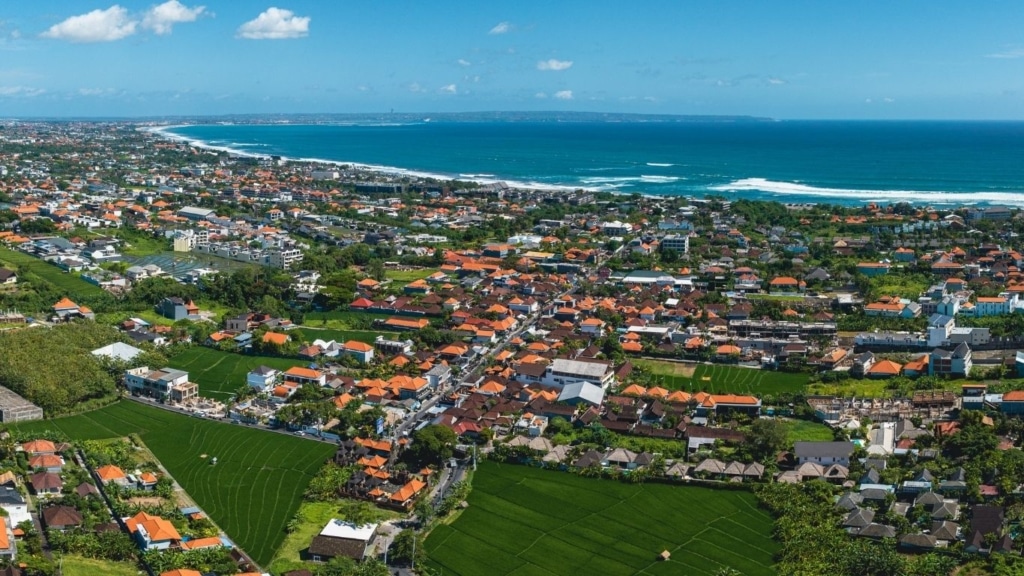




How Smart Property Investors Stay Profitable in Bali Through High and Low Seasons

Learn how property investors maintain profitability in Bali by managing seasonal demand, adjusting rental strategies and planning for long term returns.

Seasonality is one of the first realities investors encounter when buying property in Bali. Rental demand rises and falls throughout the year, influenced by weather patterns, international travel calendars, domestic holidays, and global economic sentiment.

For new investors, these cycles can feel unsettling. For experienced investors, seasonality is expected, planned for, and actively managed.

The most successful Bali property investors do not attempt to eliminate seasonality. Instead, they structure their investments to remain resilient and profitable across both peak and low periods. The difference between underperforming villas and consistent earners is rarely luck. It comes down to strategy, preparation, and execution.

Understanding Seasonality in the Bali Property Market

Bali has always operated on seasonal tourism cycles. High season typically brings strong occupancy, premium nightly rates, and short booking windows. Low season tests discipline, operational efficiency, and pricing strategy.

What often causes concern is not the existence of low season, but misunderstanding how it functions. A quieter month does not indicate a failing market. It reflects predictable shifts in visitor behaviour.

Low season periods often coincide with:

  • Rainier weather in certain regions
  • Gaps between international holiday schedules
  • Changes in domestic travel patterns
  • Media narratives that amplify short-term slowdowns

Investors who confuse normal seasonal variation with structural decline often make reactive decisions that damage long-term returns.

Location Choice Is the Foundation of Year-Round Performance

Not all areas of Bali experience seasonality in the same way. Location selection has a greater impact on annual returns than almost any other factor.

Areas driven entirely by short-term tourism tend to experience sharper drops in occupancy during low season. In contrast, locations with mixed demand perform more consistently throughout the year.

Southern Bali hubs such as Canggu, Seminyak, Umalas, and parts of Uluwatu benefit from:

  • Long-stay expatriates
  • Digital nomads and remote workers
  • Entrepreneurs relocating for lifestyle reasons
  • Repeat visitors staying for several months

This diversity of demand helps smooth income across the calendar year. Investors prioritising these locations often experience less volatility than those focused solely on holiday-driven zones.

Location decisions should be made with year-round demand in mind, not just peak-season performance.

Long-Stay and Monthly Rentals Are Key During Low Season

During quieter months, nightly bookings may soften, but demand for longer stays often remains steady. Many investors underestimate the importance of this segment.

Successful villa owners adjust their rental strategy seasonally rather than applying a single pricing model year-round.

Common approaches include:

  • Offering competitive monthly rates to attract longer stays
  • Reducing minimum stay requirements to increase booking flexibility
  • Creating value-driven packages rather than heavy nightly discounts
  • Encouraging repeat guests to extend stays at preferential rates

Long-stay guests also reduce operational strain. Fewer turnovers mean lower cleaning costs, reduced wear and tear, and more predictable income.

For many investors, monthly rentals during low season provide stability rather than maximising short-term yield.

Designing Villas for Real Living, Not Just Short-Term Appeal

The Bali market has matured. Properties designed purely for aesthetic appeal and short holiday stays are increasingly vulnerable during slow periods.

Villas that function as comfortable, practical homes tend to outperform over time.

Features that support year-round demand include:

  • Enclosed or weather-adaptable living spaces
  • Reliable high-speed internet suitable for remote work
  • Dedicated work areas or multi-purpose rooms
  • Proper kitchens, storage, and parking

Quiet residential surroundings with easy access to amenities

As long-stay demand continues to grow, functionality has become a core investment consideration rather than an optional extra.

Cash Flow Planning Must Be Based on Annual Performance

One of the most common mistakes Bali property investors make is calculating returns based on peak-season performance alone.

High season represents only part of the year. Sustainable ROI depends on how a property performs across all twelve months.

A resilient financial model includes:

  • Using conservative annual occupancy averages
  • Allowing for reduced income during several low-season months
  • Allocating high-season profits to offset quieter periods
  • Accounting for fixed costs regardless of occupancy

This approach removes pressure during low season and allows owners to make strategic decisions rather than reactive ones.

Low Season Is an Opportunity to Improve Margins

While revenue may soften, low season creates valuable opportunities to strengthen operations and improve efficiency.

Lower guest turnover allows owners and managers to focus on:

  • Reviewing supplier contracts and staffing costs
  • Completing maintenance and upgrades without disruption
  • Refining guest workflows and operational systems
  • Updating photography, listings, and descriptions
  • Testing pricing strategies and direct booking incentives

Investors who treat low season as a strategic reset rather than a setback often see stronger performance when demand returns.

Active Property Management Is Essential in Seasonal Markets

Seasonality is far easier to manage with experienced local operators who understand Bali’s demand patterns.

Professional management supports:

  • Dynamic pricing across daily, weekly, and monthly stays
  • Exposure across multiple booking platforms
  • Smooth transitions between short-term and long-term rentals
  • Compliance with local regulations and operational standards

Passive ownership without a clear strategy frequently underperforms in seasonal destinations like Bali.

Common Mistakes Investors Make During Low Season

Despite seasonality being predictable, many investors still weaken long-term returns through avoidable decisions.

Common errors include:

  • Aggressive discounting that attracts low-quality bookings
  • Leaving properties vacant while waiting for peak season
  • Cutting maintenance and damaging future reviews
  • Pausing marketing activity and losing visibility
  • Overreacting to short-term tourism headlines

The most damaging decisions are often made during periods of uncertainty rather than during market strength.

Conclusion

Tourism in Bali has always moved in cycles. High seasons deliver strong occupancy and premium rates, while low seasons test planning, discipline, and strategy.

There is no need to panic when demand softens temporarily. Investors who focus on strong locations, flexible rental strategies, realistic cash flow planning, and professional management consistently achieve stable, long-term returns.

Seasonality does not undermine well-structured investments. Poor preparation does.

Investing in Bali Property and Managing Seasonality

Does Bali have a low season for property rentals?

Yes. Bali experiences predictable seasonal fluctuations in rental demand, influenced by weather patterns, international holiday calendars, and regional travel trends. Low season does not indicate a weak market. It is a normal part of operating property in a tourism-led destination and can be managed effectively with the right strategy.

When is Bali’s low season for rental property?

Low season typically occurs outside major international travel periods, often aligning with parts of the rainy season and gaps between school holidays. While exact timing can vary year to year, experienced investors plan for several quieter months annually rather than relying on continuous peak performance.

Does low season mean Bali property investments are risky?

No. Low season reflects cyclical demand, not structural risk. Property investments become risky when returns are calculated based solely on peak-season performance. Investors who plan cash flow across a full year and allow for seasonal variation tend to achieve more stable long-term returns.

Are Bali property prices affected by seasonal tourism dips?

Property prices are not directly tied to short-term tourism fluctuations. Pricing is influenced more by land availability, construction costs, infrastructure development, and long-term demand. Seasonal rental slowdowns rarely result in property price reductions.

Is it better to buy Bali property during low season?

Low season can sometimes provide more flexibility during negotiations, particularly with motivated sellers or developers. However, the best time to buy is when the property fundamentals align with your investment goals rather than trying to time tourism cycles.

Which areas of Bali perform best year-round for rentals?

Areas with mixed demand typically perform better across all seasons. Locations that attract long-stay residents, remote workers, and expatriates alongside tourists tend to experience less volatility than areas dependent solely on short-term holiday traffic.

Are long-term and monthly rentals common in Bali?

Yes. Monthly and medium-term rentals are an established part of Bali’s property market. Demand comes from digital nomads, business owners, relocating families, and extended-stay visitors. These rentals often provide stable income during low season.

How do successful investors adjust pricing during low season?

Rather than aggressive discounting, experienced investors adjust pricing strategically. This may include offering better value for longer stays, reducing minimum stay requirements, or introducing flexible booking terms to maintain occupancy while protecting long-term positioning.

Is villa design important for low-season performance?

Yes. Villas designed for practical, long-term living consistently perform better during slower periods. Features such as enclosed living areas, reliable internet, workspaces, and functional layouts attract longer-stay guests and support year-round demand.

Should investors expect the same returns every month?

No. Bali property returns are not linear month to month. Sustainable returns come from evaluating performance across an entire year rather than expecting consistent monthly income. Planning for variability is essential.

What is the biggest mistake investors make during Bali’s low season?

One of the most common mistakes is reacting emotionally to short-term dips. Panic discounting, pausing marketing, or leaving properties vacant while waiting for peak season often results in lower annual returns than proactive management.

Does professional property management really make a difference?

Yes. Experienced local property management plays a significant role in managing seasonality. Professional operators understand pricing cycles, demand shifts, and channel diversification, helping owners optimise income throughout the year.

Can Bali property still deliver strong ROI despite seasonality?

Yes. When purchased in the right location, structured with realistic financial expectations, and actively managed, Bali property can deliver strong long-term returns. Seasonality does not eliminate profitability, but poor planning can.

Is Bali still attractive for international property investors?

Bali continues to attract international buyers due to lifestyle appeal, global recognition, and long-term tourism demand. The market has matured, favouring informed investors who focus on sustainability rather than speculation.

How should investors evaluate a Bali property opportunity?

Investors should assess location fundamentals, realistic rental projections, ownership structures, operational costs, and management strategy. Decisions based on long-term performance metrics tend to outperform short-term yield projections.

What mindset should investors have when entering the Bali market?

The most successful investors approach Bali property with a long-term perspective. Understanding seasonal cycles, planning cash flow conservatively, and remaining flexible allows investors to navigate fluctuations confidently and sustainably.

Elly Herriman – Director of Marketing & Innovation
📧 elly@internationalpropertyalerts.com
🌐 www.internationalpropertyalerts.com
📱 WhatsApp: +44 7796 174253
📷 Instagram: @elly_international_property

About International Property Alerts


International Property Alerts is a premier global platform connecting real estate investors with handpicked opportunities in emerging and lifestyle-driven markets. Through curated listings, expert guidance, and market insights, we help buyers make confident property decisions worldwide.

Media Contact:

rentals in the Philippines

Phone: +4477 1923 8132
📱 WhatsApp: +63927 073 9530
Email:
office@internationalpropertyalerts.com

Related Post

Discover Prime Global Opportunities

Elle Resort & Beach Club – Your Prime Beachfront Investment

Elle Resort & Beach Club offers a rare chance to own property in one of the most desirable coastal locations. With limited units, strong capital growth potential, and unmatched resort facilities, this is your opportunity to secure a beachfront lifestyle with long-term value.

Smarter Property Investments Start Here

Thinking about buying property abroad? Don’t make the move without the right knowledge. Our Free Buyers Guide gives you essential insights on legal steps, taxes, financing, and the best markets worldwide. Trusted by international buyers and investors.

Your Perfect Home Awaits at Sudara Residences

Wake up to bright, spacious living with stunning views and modern comforts. Whether for family living, retirement, or a stylish retreat, Sudara Residences makes your dream home a reality
Own a Piece of Cambodia’s Thriving Property Market

Discover curated property listings with IPS—residential, commercial, villas, land—and get expert guidance through every step.
BONUS: FREE Cambodia Buyer’s Guide

Grow Your Business - Advertise in a Prime Spot

High visibility. Targeted audience. Maximum exposure. Rent this space and let your brand shine.

Got Properties to Sell?

Get your properties in front of high-intent investors. Showcase your listings to buyers worldwide.

Exchange Without Borders

From pounds to pesos, yen to dollars. ⚡ Quick. Easy. Secure.

Share Article To:

Facebook
WhatsApp

Compare listings

Compare