
Cheap Old Houses Abroad in 2026 – Complete Country & Cost Guide
- International Property Alerts
- February 27, 2026
In 2026, cheap old houses abroad are still available in small towns across Europe and parts of Asia. Some homes cost one euro, while others are under $50,000. Many of these houses are empty because families moved to bigger cities. Local governments want new people to move in and fix them. That is why they offer very low prices. Still, buyers must understand repair costs, paperwork, and local rules before making a choice.
Buying cheap old houses abroad is like getting an old bike that needs new parts. The price looks small at first, but repairs can add up fast. This is true for international property as well. Each country has its own laws, taxes, and deadlines. Some towns require you to finish repairs within three years. Others may ask you to register as a resident. When you know the real costs and follow the rules, cheap old houses abroad can become a smart long-term plan instead of a costly mistake.
Why Cheap Old Houses Abroad Still Exist
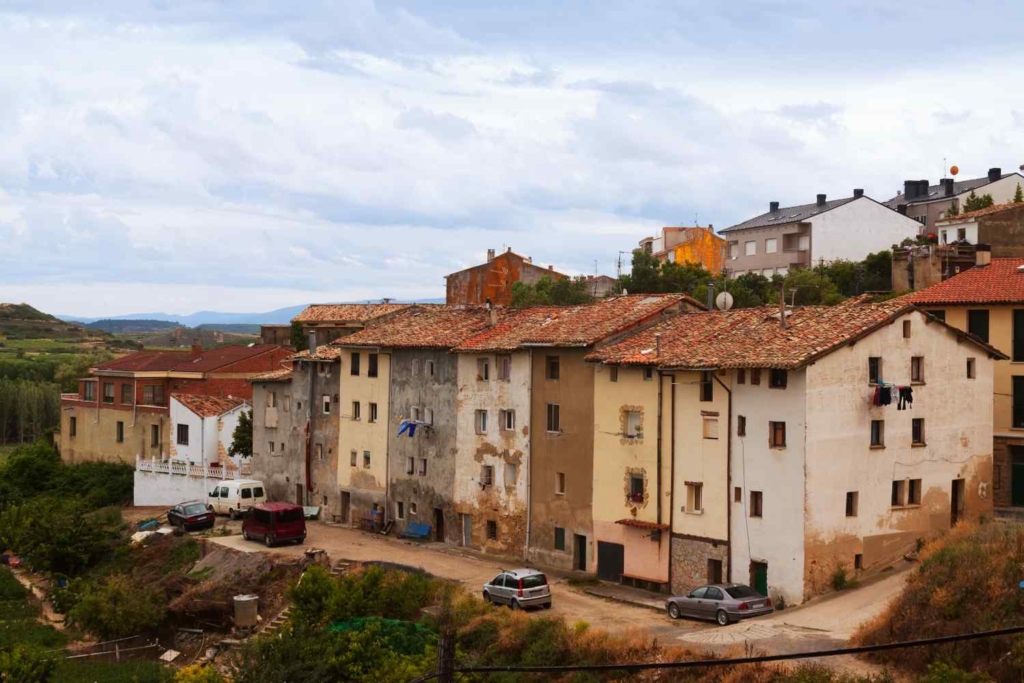
Many people wonder why homes in other countries can cost so little. The truth is simple. cheap old houses abroad exist because of population shifts, old buildings, and local government plans to bring life back to small towns.
Rural Depopulation
In many countries, young people move to big cities for jobs and school. When they leave, small villages become quiet. Shops close. Schools shut down. Houses sit empty for years. Over time, these empty homes turn into cheap old houses abroad because no one is living in them. Town leaders would rather sell the houses for a low price than let them fall apart. This creates chances for people who are thinking about buying property abroad.
Government Revitalization Programs
Some governments want to save their historic towns. So they create special programs to attract new residents. These programs sometimes offer homes for one euro or at very low prices. In return, buyers must fix the house within a set time. This is why cheap old houses abroad are often tied to renovation rules. The goal is not just to sell a house, but to rebuild the whole community. For buyers interested in buying property abroad, these programs can be a doorway into a new country, but they come with clear responsibilities.
Aging Housing Stock
Many homes in Europe and parts of Asia are very old. Some were built over 100 years ago. Older homes need repairs like new roofs, plumbing, or stronger walls. Because of this, they cannot sell at high prices. Instead, they become cheap old houses abroad that need care and money. The low price reflects the work required. Anyone buying property abroad should understand that an old house may look charming, but it often needs serious updates before it is safe to live in.
Inheritance and Abandonment Issues
In some countries, families inherit property from relatives who passed away. If no one wants the house, it may sit empty. Over time, the family might sell it for a very low price just to avoid taxes and maintenance costs. This is another reason cheap old houses abroad remain available. Abandoned homes can pile up in rural areas, especially where population decline is common. For people buying property abroad, these situations can offer opportunities, but careful legal checks are very important before making a decision.
Countries Offering Cheap Old Houses Abroad in 2026
In 2026, several countries still offer low-priced homes in quiet towns and rural areas. These places hope new residents will restore empty houses and help rebuild communities.
Italy – 1 Euro House Programs
Italy is famous for its one-euro house programs. Many small towns want to save old buildings and bring families back. That is why cheap old houses abroad in Italy often come with renovation rules.
In Tuscany, some villages sell historic stone homes at very low prices. Buyers must promise to repair them within a set time. In Sardinia, towns like those on the island offer similar deals, but owners must register their residency within months. Furthermore, in Calabria, certain properties require buyers to submit a full renovation plan before signing the contract.
Some towns require proof that you can invest at least €45,000 in repairs over three years. This money goes toward fixing roofs, plumbing, and walls. Most programs give a 3-year renovation timeline to complete the work. If you miss the deadline, you may lose your deposit. Even though these are cheap old houses abroad, the real cost includes restoration, permits, and local taxes.
Ireland – Vacant Property Grants
Ireland offers grants instead of one euro sales. The government wants to fix empty homes, especially in remote areas. Buyers can apply for up to €80,000 in grants if they restore a vacant or derelict property.
Many of these homes are on rural islands or small countryside towns. The focus is to bring life back to quiet communities. However, there are clear restoration obligations. You must complete repairs to meet safety standards before moving in. cheap old houses abroad in Ireland may not be free, but the grant support makes them more affordable.
For people searching for the best countries to live in, Ireland can be attractive because English is widely spoken and property rights are clear. Still, renovation costs must be carefully planned.
Japan – Akiya Houses
Japan has many empty homes called akiya. These houses are often listed in online databases known as akiya banks. Some are very cheap. A few are even free, but buyers usually pay taxes and legal fees.
Many of these homes are in depopulated towns where young people moved to large cities like Tokyo or Osaka. Local governments hope new residents will help small communities survive.
However, there are local registration requirements. Some towns ask buyers to live in the house full-time. Others require proof of income or community involvement. While cheap old houses abroad in Japan can look exciting, buyers must understand cultural and legal differences before signing any agreement.
Spain and Portugal Rural Areas
Spain and Portugal also have affordable homes in small villages. These are often old stone houses that need repairs. Some are located in farming regions with agricultural restrictions, which may limit how you use the land.
Village properties in rural areas can be charming, but buyers must apply for renovation licensing before starting construction. Local councils control building rules, especially for historic structures.
Even though these are cheap old houses abroad, the paperwork can take time. Still, many people see Spain and Portugal as part of the best countries to live in because of the warm weather and relaxed lifestyles. With proper planning, cheap old houses abroad in these regions can become comfortable long-term homes instead of risky investments.
Real Costs of Buying Cheap Old Houses Abroad
Low prices can look exciting at first glance online. However, the real cost includes repairs, taxes, permits, and other expenses that many buyers forget to calculate early.
Purchase Price vs Total Investment
The purchase price is only the beginning. Many cheap old houses abroad are listed for one euro or a few thousand dollars. That sounds amazing. But the total investment includes repairs, permits, taxes, and professional help.
Think of it like buying a broken toy. The toy costs $1, but fixing it might cost $100. cheap old houses abroad work the same way. The low sticker price is not the final number.
Structural Repairs
Old houses often need strong repairs. Roofs may leak. Walls may crack. Floors may sag. Plumbing and wiring might be unsafe.
Structural repairs are usually the highest cost when buying cheap old houses abroad. Some homes need €30,000 to €60,000 just to make them safe to live in. Skipping inspections can lead to bigger problems later.
Architectural Fees
In many countries, you cannot just start fixing a house. You must hire an architect or engineer. They create renovation plans and submit them to the town office.
Architectural fees may cost thousands of euros. Some towns require official drawings before approving the project. When buying cheap old houses abroad, these professional services are not optional.
Local Taxes
Property taxes differ in every country. Some towns charge annual taxes even if the home is empty. There may also be transfer taxes when you buy.
cheap old houses abroad still come with tax rules. Buyers should ask about yearly property taxes and renovation-related taxes before signing contracts.
Utility Reconnection Costs
Many abandoned homes have no active electricity, water, or gas service. Reconnecting utilities can cost more than expected.
New pipes, meters, and wiring might be required. Even though cheap old houses abroad look affordable, basic services can add thousands to the final bill.
Legal Fees
Lawyers are important when buying property in another country. They check land titles, confirm ownership, and review contracts.
Legal fees protect you from fraud or hidden debts. When buying cheap old houses abroad, paying for a local lawyer is a smart step, not an extra luxury.
Currency Exchange Risk
If you are earning money in one currency and buying in another, exchange rates can change. A small shift in currency value can increase your total cost.
For example, if the euro becomes stronger, your purchase becomes more expensive. This matters even more when financing property overseas because loan payments can change with currency rates.
Example Cost Comparison
Country | Purchase Price | Required Renovation | Estimated Total |
Italy | €1 | €30k–€60k | €40k–€90k |
Ireland | €50k | €20k | €70k+ |
Japan | Free–$10k | $15k–$40k | $30k+ |
These numbers show why cheap old houses abroad are not always as cheap as they first appear. The purchase price is small, but repairs and fees make up the biggest part of the budget.
Anyone thinking about financing property overseas should calculate the full investment first. When you understand every cost clearly, cheap old houses abroad can become a smart plan instead of a financial surprise.
Hidden Risks You Must Know
At first, low prices can feel exciting and full of promise. However, before making any decision, buyers must understand the hidden risks behind cheap old houses abroad. Although the price may be small, the problems can sometimes be big. Therefore, learning the risks early helps you avoid costly surprises later.
Structural Collapse Risk
Some very old homes are not just simple fixer-uppers. In fact, they may have weak foundations, cracked walls, or damaged support beams. As a result, parts of the house could become unsafe.
Because many cheap old houses abroad have been empty for years, the weather slowly weakens them. Over time, rain and wind cause serious damage. The truth about real estate is clear: if the main structure is failing, repairs can cost more than the house itself.
Water Damage
Water damage is another common problem. Even a small roof leak can create mold and rot inside the walls. In addition, broken pipes or poor drainage can make the situation worse.
Since cheap old houses abroad often sit unused, hidden moisture may build up quietly. Therefore, buyers should always check ceilings, floors, and basements carefully before committing.
Asbestos
Harmful materials may still exist. For example, asbestos was once used in insulation and roofing. Today, however, it is considered dangerous.
If asbestos is found, it must be removed by trained professionals. Consequently, this increases renovation costs. Even though cheap old houses abroad look affordable, safety issues can quickly raise the total investment.
Heritage Building Restrictions
Many historic homes are protected by preservation laws. This means owners cannot freely change certain parts of the building.
For instance, original windows or stone walls may need to stay untouched. While this keeps the home beautiful, it also limits renovation options. The truth about real estate in historic villages is that charm often comes with strict rules. Therefore, buyers must be ready to follow local guidelines.
Agricultural Land Limitations
In some cases, the property includes farmland or sits inside an agricultural zone. Because of this, special rules may control how the land can be used.
You may not be allowed to build extra structures or convert barns into rental spaces. Even when dealing with cheap old houses abroad, land restrictions can affect your long-term plans.
Residency Obligations
Certain government programs require buyers to live in the home full-time. In some towns, you must register as an official resident within months.
If you fail to meet these rules, you could face penalties or lose deposits. Therefore, cheap old houses abroad are not just simple purchases. They sometimes come with lifestyle commitments as well.
Application Rejection Rates
Approval is not always guaranteed. Many towns ask buyers to submit renovation plans or explain their reasons for applying.
Since demand can be high, some applications are rejected. For this reason, buyers must prepare strong proposals and show clear financial ability. Cheap old houses abroad may look easy to obtain, but the process can still be competitive.
In conclusion, understanding these risks reveals the truth about real estate. Although the price is low, the responsibility is high. When you plan carefully and check every detail, cheap old houses abroad can become a smart opportunity instead of an expensive lesson.
Application Process for Government Programs
Many towns do not simply hand over homes to anyone who asks. Instead, buyers must follow clear steps before owning cheap old houses abroad through special programs.
Step 1: Identify Municipality
You must choose the town or village offering the program. Each municipality has its own rules. Some focus on families. Others prefer business owners or remote workers.
When searching for cheap old houses abroad, always read the official website of the town. Make sure the program is active and not closed. In some cases, you may need to contact the local office directly.
Step 2: Submit Proposal
You must submit an application. This often includes a form and a motivation letter.
A motivation letter explains why you want the house and how you plan to restore it. Town leaders want serious buyers, not people who will leave the house empty again. If you are thinking about how to start a new life in a new country, this letter is your chance to show your plan and commitment.
Step 3: Provide Renovation Plan
You must provide a detailed renovation plan. This may include drawings from an architect and cost estimates.
Many communes require official approval before any work begins. This is called commune approval. Without it, you cannot legally start repairs. Cheap old houses abroad often come with strict renovation timelines, so planning early is very important.
In some countries, documents must be written in the local language. Therefore, you may need a translator or a local professional to help prepare your paperwork correctly.
Step 4: Pay Deposit
You may need to pay a deposit. This deposit shows that you are serious about finishing the renovation.
If you fail to complete the project on time, you might lose this money. Even though cheap old houses abroad have low purchase prices, deposits can range from a few thousand to several thousand euros.
Step 5: Complete Within Deadline
You must complete the renovation within the required time frame. Many towns give buyers a three-year deadline.
If the work is not finished, penalties may apply. Therefore, buyers must manage contractors, budgets, and permits carefully. Cheap old houses abroad are opportunities, but they also require responsibility and planning.
By following each step carefully, you reduce risk and improve your chances of success. When done properly, these programs can become a real pathway for how to start a new life in a new country instead of just a risky property purchase.
Are Cheap Old Houses Abroad a Good Investment?
Many people see low prices and think they found a smart deal. However, before investing, it is important to understand income potential, risks, and long-term value.
Rental Demand
First, ask yourself if people will actually rent the home. Rental demand depends on location. If the house is near beaches, tourist spots, or city centers, it may attract visitors.
However, many cheap old houses abroad are in quiet villages. In those areas, rental demand can be low. Before buying, check how many tourists visit and how often homes are rented. Even cheap old houses abroad need steady renters to make money.
Tourism vs Rural Areas
Next, compare tourist areas with rural towns. Tourist towns often have higher rental income, especially during peak seasons. However, prices may be slightly higher, too.
On the other hand, rural areas may have cheaper purchase prices but fewer renters. While cheap old houses abroad in rural villages look affordable, income can be limited if few people visit.
Liquidity Risk
Liquidity means how easy it is to sell the property later. In big cities, homes usually sell faster. In small villages, sales can take years.
This is called liquidity risk. Even if you buy cheap old houses abroad at a low price, finding a buyer later may not be easy. Therefore, think about your exit plan before investing.
Long-Term Appreciation
Appreciation means the property increases in value over time. Some areas grow because tourism improves or infrastructure expands.
However, in shrinking towns with fewer residents, prices may stay flat. cheap old houses abroad may not always rise in value. Research local population trends and development plans before deciding.
Renovation ROI
ROI means return on investment. If you spend €50,000 on repairs, will the home be worth more than that later?
Renovation costs must be compared with future value. Some historic homes gain value after careful restoration. Others may not. That is why getting legal advice for buying a property is important. A lawyer can help review contracts, zoning rules, and resale restrictions.
In the end, cheap old houses abroad can be a good investment, but only with careful planning. When you study rental demand, tourism trends, resale risk, and renovation costs, you make smarter choices. Without research and legal advice for buying a property, even cheap old houses abroad can turn into expensive lessons instead of profitable investments.
Key Considerations for 2026 Buyers
Before making any big move in 2026, buyers must look beyond the low price. Smart planning helps avoid surprises and protects long-term investment goals.
Inflation Impact on Materials
First, inflation affects building materials like wood, cement, steel, and wiring. When prices rise, renovation costs increase too.
Even if cheap old houses abroad look affordable today, repair costs may grow next year. Therefore, always add extra money to your budget for rising material prices. This is one of the most important things to consider when moving abroad because construction delays can increase total spending.
Rising EU Property Taxes
Next, some European countries are adjusting property taxes. Governments need more funds for public services, so tax rates may increase.
Although cheap old houses abroad start with a low purchase price, yearly taxes can slowly add up. Buyers should check local tax rates before signing contracts. Understanding tax rules is one of the key things to consider when moving abroad, especially for long-term ownership.
Climate Risk
Climate change is also important. Some areas face floods, wildfires, or extreme heat. Older homes may not be built to handle severe weather.
When buying cheap old houses abroad, check if the area has flood zones or wildfire risks. Insurance costs may be higher in certain regions. Safety should always come before savings.
Renovation Labor Shortages
In many countries, skilled builders are in high demand. Because of this, it may be hard to find contractors quickly.
If there are labor shortages, renovation projects can be delayed. Cheap old houses abroad often come with strict deadlines, especially in government programs. Delays may cause penalties if work is not completed on time.
Currency Fluctuations
Finally, currency values can change quickly. If you earn money in one country but buy in another, exchange rates matter.
For example, if your home currency weakens, the property becomes more expensive. Cheap old houses abroad may seem like a bargain, but currency shifts can increase your real cost. Watching exchange trends is another smart step and one of the practical things to consider when moving abroad.
In conclusion, cheap old houses abroad can still offer opportunities in 2026. However, buyers must plan for inflation, taxes, climate risks, labor shortages, and currency changes. When you think ahead and prepare properly, your investment becomes safer and more stable.
Who Should Consider Buying Cheap Old Houses Abroad?
Not everyone should buy old homes in another country. However, some people may be a good fit. First, they must be ready for change. Then, they must accept that repairs and paperwork take time.
Retirees
First of all, retirees may want a quiet and simple life. Small towns are calm, and daily life costs less. Because of this, many retirees look at cheap old houses abroad as a way to stretch their savings.
However, they must plan carefully. For example, they should check if hospitals are nearby. In addition, they should think about the weather and transportation. Although cheap old houses abroad may look peaceful, comfort and health must come first.
Remote Workers
Next, remote workers have more freedom. Since they can work online, they can live in many places. Therefore, moving to a small village may feel exciting.
Cheap old houses abroad may offer more space for a home office. Still, they must check the internet speed first. Also, they should test phone signals and power supply. Without a stable internet, working from home becomes hard.
Investors
In addition, some people buy homes to earn money. They hope the property will rise in value. They may also plan to rent it to tourists.
Although cheap old houses abroad can grow in value after repairs, this does not always happen. If the town has few visitors, rental income may stay low. For this reason, investors must study the area before buying.
DIY Renovators
Meanwhile, some people enjoy fixing things. They like building, painting, and repairing. For them, old homes feel like exciting projects.
Cheap old houses abroad can be perfect for hands-on workers. However, repairs can take longer than expected. Therefore, patience and planning are very important.
Heritage Lovers
Finally, some buyers care deeply about history. They want to protect old buildings and keep traditions alive.
Because many cheap old houses abroad are historic homes, they may attract heritage lovers. These buyers see beauty in stone walls and old wooden doors. Even so, they must follow strict preservation rules.
In the end, cheap old houses abroad are not for everyone. However, for retirees, remote workers, investors, renovators, and history lovers, they can offer a real opportunity. With careful planning and clear goals, cheap old houses abroad can become a happy and meaningful home.
Final Checklist Before You Buy
Before you sign any papers, you must slow down and check everything carefully. A simple checklist can protect you from big mistakes later and help you make safer choices.
Inspect Structure
First, check the house very carefully. Look at the roof, walls, floors, and foundation. If you can, hire an inspector or engineer to examine the building.
Many cheap old houses abroad look fine on the outside but hide damage inside. For example, there may be cracks behind walls or leaks under the roof. One of the most important property buying tips is to never skip a proper inspection.
Confirm Land Title
Next, make sure the seller truly owns the property. Ask for official documents that prove ownership. Also, check if there are unpaid debts or legal problems attached to the home.
Cheap old houses abroad sometimes have complicated ownership histories, especially in small villages. A clear title means you legally own the house. Without it, you may face serious trouble later.
Verify Renovation Deadlines
If the home is part of a government program, check the renovation timeline. Some towns require repairs to be finished within three years. Others may set shorter deadlines.
Cheap old houses abroad often come with strict rules. If you miss the deadline, you may lose your deposit or face penalties. Therefore, always read the contract slowly and carefully.
Calculate Total Budget
After that, add up every possible cost. Include the purchase price, renovation work, permits, taxes, legal fees, and utility connections.
Cheap old houses abroad may start at a very low price, but the total investment can grow quickly. Good property buying tips always suggest adding extra money for unexpected repairs.
Understand Tax Exposure
Then, learn about local taxes. Ask about yearly property taxes and transfer taxes when buying. If you plan to rent the home, check the rental income tax rules as well.
Even cheap old houses abroad require tax payments. Understanding tax exposure helps you avoid financial stress in the future.
Speak with a local lawyer
Finally, speak with a local lawyer before signing any agreement. A lawyer can review contracts, check ownership records, and explain local laws clearly.
Cheap old houses abroad may have special legal requirements. Getting professional help protects your money and your rights. Among all property buying tips, this step may be the most important.
In the end, cheap old houses abroad can be exciting opportunities. However, careful planning and checking every detail will help you avoid costly mistakes and make confident decisions.
Key Takeaways Before Buying Cheap Old Houses Abroad
Cheap old houses abroad may look very cheap at first. However, the real cost includes repairs, taxes, permits, and legal work. Some homes need strong walls, new roofs, and safe wiring. In addition, many towns have rules and deadlines you must follow. Because of this, planning is very important. Cheap old houses abroad can be a smart choice, but only if you understand the risks and total budget before buying.
Before you decide, study the area and check all documents carefully. Also, speak with local experts so you avoid mistakes. Cheap old houses abroad can become happy homes if you prepare the right way. If you need guidance or have questions, contact us, and we will help you understand your options clearly and safely.
Frequently Asked Questions
1. Are cheap old houses abroad really that cheap?
Yes, the price can be very low at first. However, repairs, taxes, and legal fees can raise the total cost. Always calculate the full budget before buying.
2. Why do governments sell homes for one euro?
Some towns want people to move in and fix empty houses. Selling cheap old houses abroad helps small communities grow again.
3. Can foreigners buy cheap old houses abroad?
In many countries, yes. However, rules are different in each place. You may need a tax number, local registration, or special approval.
4. How much does renovation usually cost?
Renovation costs can range from tens of thousands to much more, depending on the damage. Old roofs, plumbing, and walls often need full repair.
5. Are cheap old houses abroad a good investment?
They can be, but only with careful planning. You must check rental demand, resale value, and long-term costs before deciding.
About International Property Alerts
International Property Alerts is a premier global platform connecting real estate investors with handpicked opportunities in emerging and lifestyle-driven markets. Through curated listings, expert guidance, and market insights, we help buyers make confident property decisions worldwide.
Media Contact:

Phone: +4477 1923 8132
📱 WhatsApp: +63927 073 9530
Email: office@internationalpropertyalerts.com
Services
Related Post
- Best Places To Retire
- Hidden Places Destination
- Best Regions To Retire
- Guide To Global Life
- Affordable Places To Retire
- Elly's Insights
- Business Outlook
Discover Prime Global Opportunities

Elle Resort & Beach Club – Your Prime Beachfront Investment
Elle Resort & Beach Club offers a rare chance to own property in one of the most desirable coastal locations. With limited units, strong capital growth potential, and unmatched resort facilities, this is your opportunity to secure a beachfront lifestyle with long-term value.

Smarter Property Investments Start Here
Thinking about buying property abroad? Don’t make the move without the right knowledge. Our Free Buyers Guide gives you essential insights on legal steps, taxes, financing, and the best markets worldwide. Trusted by international buyers and investors.

Your Perfect Home Awaits at Sudara Residences
Wake up to bright, spacious living with stunning views and modern comforts. Whether for family living, retirement, or a stylish retreat, Sudara Residences makes your dream home a reality

Own a Piece of Cambodia’s Thriving Property Market
Discover curated property listings with IPS—residential, commercial, villas, land—and get expert guidance through every step.
BONUS: FREE Cambodia Buyer’s Guide

Grow Your Business - Advertise in a Prime Spot
High visibility. Targeted audience. Maximum exposure. Rent this space and let your brand shine.

Got Properties to Sell?
Get your properties in front of high-intent investors. Showcase your listings to buyers worldwide.

Exchange Without Borders
From pounds to pesos, yen to dollars. ⚡ Quick. Easy. Secure.