
Discover the best destinations, property tips, and lifestyle insights from around the world.
GET YOUR FREE MAGAZINE HERE!
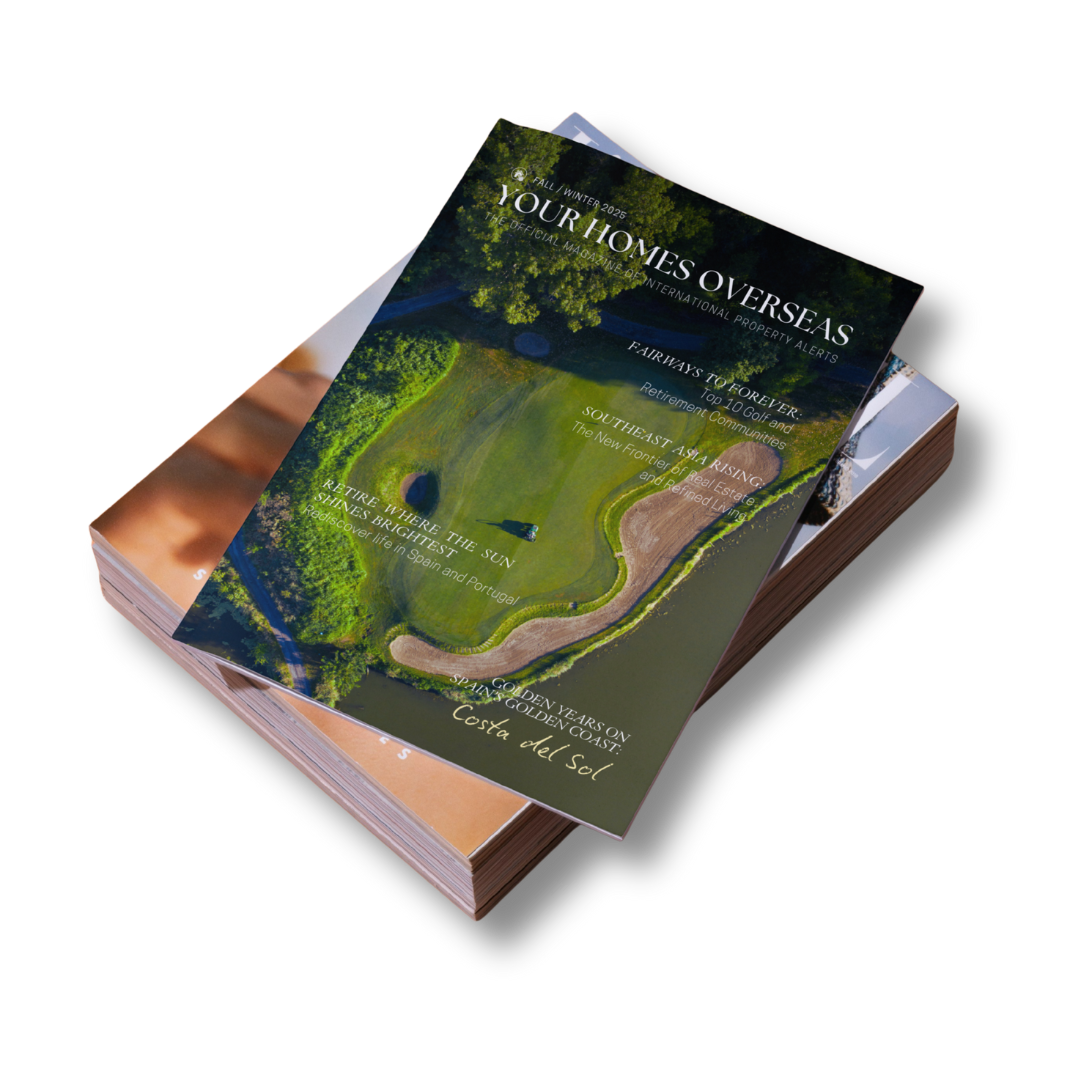

Many people dream of life in Italy. The country has old towns, warm weather, and great food. Days feel calm and slow. You can walk to small shops and local markets. You can sit in a café and watch the world go by. Retirement in Italy gives you time to enjoy simple things. But you must plan first. You need the right visa, show steady income, and a plan for healthcare and taxes.
Good planning makes the move easier. Some people rent a home at first. Others buy international property in small towns or near the sea. Prices change by region. The South often costs less than big cities in the North. It helps to learn the rules before you move. Retirement in Italy can be safe and happy when you prepare well.
Many people look for a calm and happy place to enjoy their later years. Italy offers beauty, comfort, and simple living. Because of this, retirement in Italy feels like a dream for many people around the world.
Life in Italy moves at a slower pace. People take time to eat, talk, and rest. Instead of rushing, they enjoy the moment. For example, families gather for long meals and friends meet in small town squares. As a result, stress can feel lower. Retirement in Italy often means more time for hobbies, walks, and travel. Over time, many people say they feel more relaxed and balanced.
Italy has a warm and sunny climate. Summers are bright, and winters are mild in many areas. Because of this weather, people spend more time outside. You can walk by the sea, sit in the sun, or explore small villages. Therefore, retirement in Italy feels healthy and active for many retirees.
Not all parts of Italy cost the same. Southern regions such as Puglia, Sicily, and Abruzzo are often more affordable. For example, rent and food can cost less than in large northern cities. Because prices are lower, retirement in Italy can fit different budgets. In fact, some retirees think about buying property abroad in these areas since homes may offer good value.
Another important reason is healthcare. Italy has a public health system that serves residents across the country. After you register, many services cost little. Hospitals and doctors are found in both cities and small towns. As a result, retirement in Italy can feel safe and secure.
Italy is famous for art, history, and food. You can visit museums, old churches, and historic streets. At the same time, you can enjoy fresh pasta, bread, and local dishes every day. Because culture is part of daily life, retirement in Italy feels rich and meaningful, not just like a long holiday.
Before you move, you must follow clear visa rules. Italy wants to see that you can support yourself. You must show a steady income and proper papers. Because of this, retirement in Italy takes planning and care.
First, most retirees apply for the Elective Residence Visa. This visa is for people who want to live in Italy but not work there. In simple terms, you must already have money from outside Italy. For example, this can be a pension, savings, or rent from a home you own.
You cannot take a job with this visa. So, your income must be stable and long-term. After you arrive, you apply for a residence permit. This step makes your stay legal. For many people, this visa is the main path to retirement in Italy.
Next, you must meet a minimum passive income level. Passive income means money you get without working. This may come from a pension or investments. For one person, the amount is often around €31,000 per year. Couples must show more.
You must also show proof of funds. This means clear bank papers, pension letters, or other records. These papers show that your money is real and steady. Because rules can change, always check the latest updates before you plan retirement in Italy.
If you plan to buy a home, it is wise to get legal advice before buying a property. This can help you avoid problems later.
Yes, Americans and UK citizens can apply. However, they must follow the same rules as other non-EU citizens. After Brexit, UK citizens no longer have free movement rights. So, they also need this visa.
Both groups must apply at an Italian consulate in their home country. Once approved, they can move and register in Italy. With the right papers and income, retirement in Italy is possible for many expats.
Money matters when you plan a move overseas. You must know your monthly costs before you decide. Retirement in Italy can be affordable, but it depends on where you live and how you spend it.
Housing is usually the highest cost. Rent is higher in cities like Rome or Milan. It is lower in small towns and southern regions. Many retirees choose quieter areas to save money. Some people rent first before they buy. This is one of the key things to consider when moving abroad. Home prices also change by region. Because of this, retirement in Italy can fit different budgets.
Utilities include electricity, water, gas, and internet. In winter, heating can raise your bill. In summer, air conditioning may cost more. Small homes usually cost less to run. It helps to ask about average bills before signing a lease. Planning for utilities makes retirement in Italy easier to manage.
Food in Italy can be fresh and affordable. Local markets sell fruits, vegetables, bread, and cheese at fair prices. Eating at home saves money. Eating out in tourist areas costs more. Still, many retirees find grocery costs reasonable. This helps make retirement in Italy feel comfortable.
Public transport is common in many towns and cities. Buses and trains are often cheaper than owning a car. However, in small villages, you may need a car. Fuel and insurance add to your budget. So, location matters when planning retirement in Italy.
Italy offers simple and low-cost fun. You can walk in historic streets, relax at the beach, or join local festivals. Museums and cultural events may charge small fees. Life does not need to be expensive to be enjoyable. With good planning, retirement in Italy can offer both value and quality of life.
Health care is very important when you move to a new country. You want to feel safe and calm. Retirement in Italy can offer good medical care, but you must know how the system works before you go.
Italy has a public health system. It is called the Servizio Sanitario Nazionale. After you become a legal resident, you can join this system. Once you register, many doctor visits cost little or nothing.
The system covers basic care. This includes family doctors, hospital stays, and many treatments. You choose a local doctor who helps manage your health. Emergency care is also covered in most cases. Because of this, retirement in Italy can feel safe for many people.
Sometimes, you may wait longer to see a specialist. This can happen in busy cities. Even so, many expats say the care is good. For many retirees, public care is enough during retirement in Italy.
Some people also buy private health insurance. This is not always required, but it can help. Private plans often give faster appointments. They may also give more choices to doctors and hospitals.
Private insurance is helpful in your first year. It can also reduce wait times for special care. Many retirees use both public and private care. With the right plan, retirement in Italy can feel more secure and less stressful.
Taxes are an important part of planning a move. You must know what you will pay each year. Retirement in Italy can be affordable, but tax rules are different from those in other countries.
First, you become a tax resident if you live in Italy for more than 183 days in one year. This means Italy sees you as a resident for tax purposes. When this happens, you must follow Italian tax laws.
As a tax resident, you may need to report your worldwide income. This includes money from pensions or investments abroad. Because of this rule, retirement in Italy requires careful planning.
Next, pensions are often taxed in Italy once you become a resident. This can include private pensions or retirement income from your home country. However, tax treaties between countries may prevent double taxation.
Each case is different. Some pensions may be taxed only in your home country. Others may be taxed in Italy. It is important to check the rules before finalizing retirement in Italy.
If you earn money outside Italy, you may need to report it. This includes rental income, dividends, or savings interest. Italy wants full records of income if you are a tax resident.
Clear records help avoid problems later. Many retirees speak with a tax expert before moving. Good advice makes retirement in Italy smoother and less stressful.
Some southern regions offer special tax programs for new retirees. These programs may allow a lower flat tax rate on foreign pension income. Areas in the south want to attract new residents.
This can make retirement in Italy more affordable for some people. However, strict rules apply. You must meet income and residency conditions. Always check current details before making a final decision.
Choosing the right place to live is very important. Each region in Italy feels different and costs a different amount. Because of this, retirement in Italy can look very different depending on where you settle. Some areas are quiet and low cost, while others are busy and more expensive.
First, Puglia is in the south of Italy. It is known for clear beaches and small white towns. Life moves slowly here, and people enjoy simple daily routines. In addition, home prices are often lower than in large cities.
Because living costs are more affordable, many retirees choose this region for retirement in Italy. You can enjoy sea views and warm weather without very high rent. As a result, Puglia is a popular choice for people who want value and sunshine.
Next, Sicily is a large island with warm weather most of the year. The cost of living is often lower than in northern regions. For example, food and rent can be more affordable in smaller towns.
Therefore, retirement in Italy can feel relaxed and budget-friendly in Sicily. At the same time, you still enjoy beaches, history, and local culture. When people compare the best countries to live in, they often see that places like Sicily offer both beauty and lower costs.
In contrast, Abruzzo offers mountains, parks, and quiet villages. It sits between the sea and the hills. Because it is less crowded, daily life feels calm and peaceful.
Housing costs are usually lower than in famous tourist areas. For this reason, retirement in Italy in Abruzzo can suit people who love nature and quiet living. It is a good option if you want space and fresh air.
On the other hand, Tuscany is known for rolling hills and historic cities. It has famous places like Florence and Siena. However, living here often costs more than in the south.
Even so, many people choose Tuscany for retirement in Italy because of its charm and culture. The scenery, food, and art make it feel special. As a result, some retirees decide the higher price is worth it.
Finally, Lombardy is home to Milan, one of Italy’s largest cities. It offers strong transport, modern hospitals, and many services. Because of this, life feels faster-paced and more urban.
Costs are higher than in rural areas. However, easy access to airports and healthcare can be a big advantage. For retirees who want city life with strong services, retirement in Italy in Lombardy can be a practical choice.
Moving to a new country takes time and care. You must follow clear steps and stay organized. Retirement in Italy is easier when you plan early and move one step at a time.
Check if you qualify for the right visa. Most retirees apply for the Elective Residence Visa. This visa is for people who will not work in Italy. Moreover, you must show a steady income from outside the country. If you do not meet the rules, you cannot move forward with retirement in Italy.
Collect proof of your income. This may include pension letters and bank statements. These papers show that you can support yourself. Additionally, make sure all documents are clear and up to date. Good records help make retirement in Italy smoother.
Then, consider speaking with an immigration expert. This person can explain the rules in simple terms. They can check your papers and guide you. While this step is not required, it can reduce stress during retirement in Italy.
After that, find a place to live. Many people rent a home first. A rental contract may be needed for your visa. Safe housing is an important part of retirement in Italy.
Once your papers are ready, apply at the Italian consulate in your home country. You must attend an appointment and submit your documents. Then you wait for approval. When your visa is approved, you can prepare to start retirement in Italy.
After you arrive, register your address at the local office. You must also apply for a residence permit. This makes your stay legal. When this step is done, retirement in Italy truly begins.
Moving to another country is exciting, but it is not always easy. You must be patient and flexible. Retirement in Italy can be wonderful, yet some challenges may appear along the way.
Paperwork in Italy can take time. Offices may move slowly. You might need several appointments for one process. For example, getting permits or registering your address can take weeks.
Because of this, patience is very important during retirement in Italy. Bring all your documents and copies. Staying calm helps when systems move slowly.
Not everyone speaks English, especially in small towns. Many forms and letters are written in Italian. This can feel confusing at first.
Learning basic Italian can make daily life easier. Simple words help at the store, bank, or doctor’s. Over time, language skills improve. This is an important part of learning how to start a new life in a new country. With effort, retirement in Italy becomes smoother.
Some regions have natural risks. For example, parts of Italy can have earthquakes. Other areas may have floods. It is wise to research the region before choosing a home.
Knowing the risks helps you prepare. Insurance may also help protect your property. Careful planning supports a safe retirement in Italy.
Tax rules can feel confusing. You may need to report income from your home country. Rules can change, and forms may be detailed.
Because of this, many retirees speak with a tax expert. Good advice can prevent mistakes. When you understand the system, retirement in Italy feels more secure and less stressful.
A move to Italy for your later years can bring beauty, calm days, and rich culture. You can enjoy fresh food, warm weather, and a slower pace of life. Still, planning is very important. You must understand visa rules, income needs, healthcare, and taxes. Costs also change by region, so location matters. When you prepare well, retirement in Italy becomes smoother and less stressful.
Good guidance makes a big difference during this journey. Starting fresh in another country may feel overwhelming at first. However, clear steps and expert support can help you avoid mistakes. If you need help with planning, housing, or legal steps, contact us for simple and clear advice. With the right support, retirement in Italy can become a safe and happy new chapter.
Yes. Most retirees apply for the Elective Residence Visa. You must show a steady income from outside Italy. You are not allowed to work with this visa during retirement in Italy.
You must show a minimum yearly passive income. For one person, it is often around €31,000 per year. Couples must show more. Exact amounts may change, so always check current rules before planning retirement in Italy.
After you become a legal resident, you can register for public healthcare. Many services cost little or nothing. Some retirees also choose private insurance for faster access to doctors during retirement in Italy.
If you live in Italy for more than 183 days per year, you may become a tax resident. This means your pension and other income could be taxed in Italy. Tax treaties may help prevent double taxation.
Yes, foreigners can buy property in Italy. However, owning a home does not give you residency. You still need the proper visa to begin retirement in Italy.
About International Property Alerts
International Property Alerts is a premier global platform connecting real estate investors with handpicked opportunities in emerging and lifestyle-driven markets. Through curated listings, expert guidance, and market insights, we help buyers make confident property decisions worldwide.
Media Contact:

Phone: +4477 1923 8132
📱 WhatsApp: +63927 073 9530
Email: office@internationalpropertyalerts.com

Elle Resort & Beach Club offers a rare chance to own property in one of the most desirable coastal locations. With limited units, strong capital growth potential, and unmatched resort facilities, this is your opportunity to secure a beachfront lifestyle with long-term value.

Thinking about buying property abroad? Don’t make the move without the right knowledge. Our Free Buyers Guide gives you essential insights on legal steps, taxes, financing, and the best markets worldwide. Trusted by international buyers and investors.

Wake up to bright, spacious living with stunning views and modern comforts. Whether for family living, retirement, or a stylish retreat, Sudara Residences makes your dream home a reality
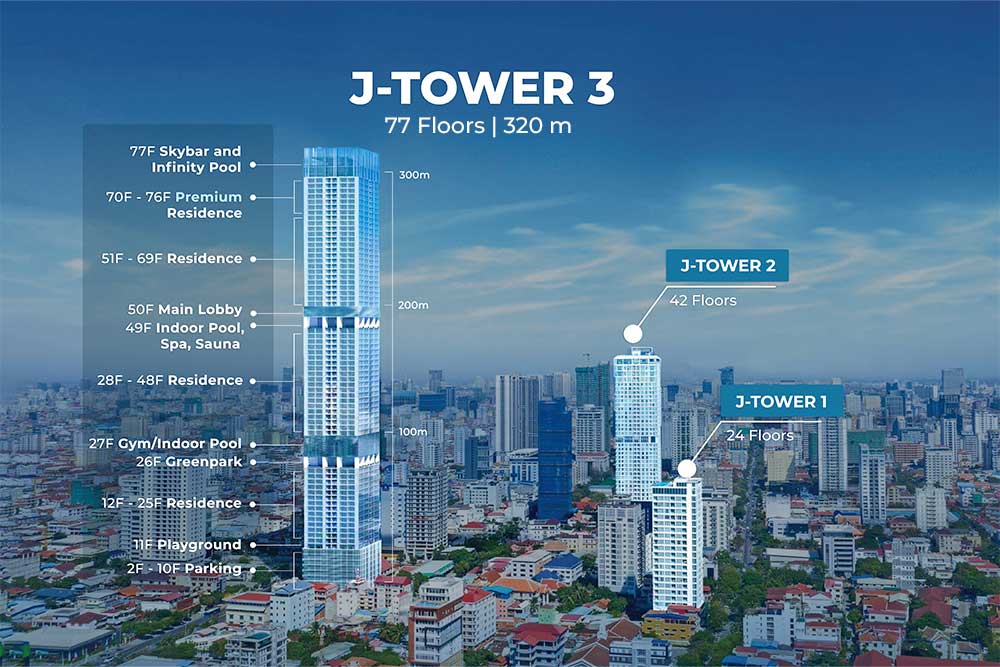
Discover curated property listings with IPS—residential, commercial, villas, land—and get expert guidance through every step.
BONUS: FREE Cambodia Buyer’s Guide

High visibility. Targeted audience. Maximum exposure. Rent this space and let your brand shine.

Get your properties in front of high-intent investors. Showcase your listings to buyers worldwide.

From pounds to pesos, yen to dollars. ⚡ Quick. Easy. Secure.
Compare listings
ComparePlease enter your username or email address. You will receive a link to create a new password via email.