
Get Your Free 1st Issue
Your Homes Overseas Magazine!

Discover the best destinations, property tips, and lifestyle insights from around the world.

GET YOUR FREE MAGAZINE HERE!

Magazine
Open Magazine

How to Retire in Italy: Visa, Income, Taxes & Costs Guide

Learn how to retire in Italy with clear visa rules, income requirements, tax insights, healthcare costs, and smart planning tips to help you prepare for a smooth and stress free move abroad.

If you are wondering how to retire in Italy, the process is simple when you understand the steps. First, you need a special visa called the Elective Residence Visa. This is for people who have steady passive income, like a pension or savings. You must also show proof of housing and health insurance. After you arrive, you apply for a residence permit. Italy has different living costs and tax rules, so planning ahead is very important.

When learning how to retire in Italy, you should also think about where you want to live. Some areas are cheaper than others. Many retirees explore international property options before they move. You can rent first or buy a home later. Understanding income rules, taxes, and housing costs will help you enjoy a safe and happy retirement in Italy.

What You Need to Retire in Italy

how to retire in italy and enjoy a relaxed lifestyle as a happy senior couple at home.

Retiring in Italy requires meeting clear visa, income, housing, and health rules. Below is a simple guide that explains everything step by step in an easy way.

If you are wondering how to retire in Italy, you first need to understand who can apply. In general, this option is for non-EU citizens. That means people from countries like the United States, Canada, or Australia. Because you are not part of the European Union, you must apply for a special long-term visa before moving.

Who Qualifies

To begin with, you must be a non-EU citizen with enough money to support yourself. Italy wants to make sure you can live there without taking a job. Therefore, retirees who receive pensions or have savings often qualify. If you are learning how to retire in Italy, this is the first requirement you must check.

Passive Income Requirement

Next, you must prove you have steady passive income. Passive income means money that comes to you regularly without daily work. For example, this can include pensions, retirement funds, rental income, or investment earnings. In addition, the income must be stable and consistent. When people research how to retire in Italy, income proof is usually the most important step.

Private Health Insurance

After that, you need private health insurance. This insurance must cover you for at least one year in Italy. Because you are not yet part of the public healthcare system, this coverage protects you and shows responsibility. As a result, your application becomes stronger.

Proof of Housing

You must also show where you will live. This can be a signed rental contract or proof that you purchased a home. In other words, Italy wants clear evidence that you have safe housing arranged before arrival.

Apply Through an Italian Consulate

Finally, you must apply at the Italian consulate in your home country. You submit documents showing your income, housing, and insurance. Once approved, you receive your visa and can move forward. At that point, you are much closer to understanding how to retire in Italy and starting your new life abroad.

Italy Elective Residence Visa Requirements

The Italian Elective Residence Visa allows retirees to live in Italy long-term without working. You must meet income, housing, insurance, and application rules.

If you want to understand how to retire in Italy, this visa is the most important step. It is made for people who can support themselves with their own money. When people search for how to retire in Italy, they often discover that the Elective Residence Visa has clear financial and housing rules. Once you meet these requirements, planning how to retire in Italy becomes much easier.

Minimum Income Requirement

First, you must prove you have enough passive income each year. If you are single, you must show at least €31,000 per year. If you are a couple, you must show at least €38,000 per year. This money must be stable and consistent.

Passive income includes pensions, retirement funds, rental income, dividends, and savings that earn interest. However, salary from a job does not count. Italy wants to see that you do not need to work there. So, when learning how to retire in Italy, checking your income sources is very important.

Housing Requirement

Next, you must show proof of housing in Italy. This can be a signed rental contract or a property deed if you purchased a home. The lease usually needs to cover a long-term stay, not just a short vacation rental.

If you decide to buy a home, it is smart to get legal advice for buying a property. This helps you understand contracts, taxes, and ownership rules. Housing proof is a key part of how to retire in Italy because it shows you have a stable place to live.

Health Insurance Requirement

You must also have private health insurance before moving. The policy must cover at least €30,000 in medical expenses. This insurance is required for your first year in Italy.

Because you are not yet part of the public health system, this coverage protects you. It also proves you will not depend on government healthcare right away.

Application Process

Finally, you must apply at the Italian consulate in your home country. You submit documents showing your income, housing, and insurance. After that, you wait for approval. Processing time can take several weeks or a few months.

If approved, the visa is valid for one year and can be renewed each year. After living in Italy for several years, you may qualify for permanent residency. This final step completes the main visa process for retirees.

Cost of Living in Italy for Retirees

Understanding everyday expenses helps retirees plan better and avoid surprises. Although Italy can be affordable, costs change depending on the region and lifestyle you choose.

When people research how to retire in Italy, one of the first questions they ask is, “How much will I spend each month?” The cost of living in Italy for retirees is not the same everywhere. In fact, your location can make a big difference. Therefore, if you truly want to understand how to retire in Italy, you must compare cities, review your income, and prepare a clear monthly budget. This is one of the most important things to consider when moving abroad.

Average Monthly Budget Breakdown

In general, a single retiree may spend between €1,200 and €2,000 per month. Meanwhile, couples may spend between €1,800 and €2,800 per month. However, these numbers depend on personal lifestyle choices.

Most retirees spend money on:

  • Rent
  • Utilities such as electricity, water, gas, and internet
  • Food and groceries
  • Healthcare and insurance
  • Transportation
  • Dining and leisure activities

As you can see, housing is usually the largest expense. Because of this, choosing the right region is very important when calculating the cost of living in Italy for retirees.

Northern vs Southern Italy

On the one hand, Northern Italy, including cities like Milan and Florence, is more expensive. Rent is higher, restaurants cost more, and daily services can be pricier. However, these areas may offer more job opportunities, modern hospitals, and larger international communities.

On the other hand, Southern Italy is usually more affordable. Regions like Sicily, Calabria, and Puglia are often listed among the cheapest places to retire in Italy. In these areas, rent is lower and fresh local food is often less expensive. Therefore, if you are planning how to retire in Italy on a smaller budget, southern regions may offer better value.

Utilities, Rent, Food, and Healthcare

For example, rent may range from about €500 per month in a small southern town to more than €1,200 in a major northern city. Utilities often cost between €150 and €250 per month, depending on the season. Additionally, groceries may cost around €250 to €400 monthly if you mostly cook at home.

During your first year, private health insurance is required. After receiving residency approval, you may be able to join the public healthcare system. Therefore, healthcare should always be included when estimating the cost of living in Italy for retirees.

Overall, by carefully reviewing each expense and comparing regions, you can better understand how to retire in Italy comfortably and confidently.

Taxes for Retirees in Italy

Italy offers special tax benefits for some foreign retirees. However, tax rules depend on income type, location, and international agreements between countries.

When people study how to retire in Italy, taxes are often one of their biggest worries. The good news is that Italy has a special program to help some retirees pay less tax. If you truly want to understand how to retire in Italy wisely, you must also understand how taxes work. In fact, knowing the tax system is just as important as knowing visa rules when planning how to retire in Italy.

The 7% Flat Tax Regime in Southern Italy

Italy created a special tax benefit called the Italy 7% tax regime retirees program. This rule allows some foreign retirees to pay a flat 7% tax on certain foreign income.

However, this benefit only applies if you move to specific towns in Southern Italy. These towns must have fewer than 20,000 people. The goal is to encourage retirees to live in smaller communities.

Who Qualifies

To qualify, you must move your tax residence to Italy. In addition, you must not have been a tax resident in Italy for the past five years. Most importantly, your income must come from foreign pensions or other foreign sources.

If you meet these rules, you may apply for the Italy 7% tax regime retirees’ benefit. Because of this program, many people researching how to retire in Italy choose the southern regions.

Eligible Regions

The special 7% tax program applies only in certain southern regions. These include:

  • Sicily
  • Calabria
  • Puglia
  • Campania
  • Basilicata
  • Abruzzo
  • Molise
  • Sardinia

Among these, Sicily, Calabria, and Puglia are especially popular with retirees. As a result, they are often listed as affordable places for foreign retirees who want tax savings.

Foreign Pension Taxation

If you receive a foreign pension, Italy may tax it once you become a tax resident. However, the exact rules depend on your home country and the tax agreement in place.

For example, some pensions may be taxed only in your home country. Others may be taxed in Italy instead. Therefore, when learning how to retire in Italy, it is very important to check how your pension will be treated.

Double Taxation Agreements

Italy has agreements with many countries to prevent double taxation. This means you should not pay tax twice on the same income. These agreements explain which country has the right to tax certain income types.

Because tax rules can be complex, many retirees speak with a tax professional before moving. By understanding tax benefits and agreements clearly, you can make smarter financial choices while planning how to retire in Italy.

Best Places to Retire in Italy

Italy has many beautiful places to live. Some places cost less money. Some places cost more money. Each place feels different.

When people learn how to retire in Italy, they always ask, “Where should I live?” Italy is often listed as one of the best countries to live in because the food is tasty, the weather is nice, and life feels slower. But not every place in Italy is the same. So, if you want to understand how to retire in Italy, you must pick the place that fits your money and your lifestyle. Choosing the right town is a big part of how to retire in Italy happily.

Sicily

Many people choose to retire in Sicily, Italy, because it is cheaper. Houses and rent usually cost less than in big cities in the north.

Sicily has warm sunshine, beaches, and friendly small towns. There are hospitals in bigger cities like Palermo. Also, more foreign retirees are moving there, so you can find other expats and make friends.

Puglia

Some people decide to retire in Puglia, Italy, because it is peaceful and beautiful. The towns are charming, and the sea is close by.

Puglia is also more affordable than northern Italy. Big towns like Bari have hospitals and doctors. More retirees from other countries are moving there, too. That is why Puglia is often named one of the best places to retire in Italy.

Calabria

Calabria is one of the cheapest areas in Italy. Rent is low, and small towns are very quiet.

However, some small towns may not have big hospitals nearby. You may need to travel to a larger town for special care. Still, many people who are learning how to retire in Italy choose Calabria because it saves money.

Tuscany

Tuscany is very famous. It has rolling hills, old buildings, and lovely farms. But it costs more money to live there.

The good part is that healthcare is strong, and many expats already live there. You may hear more English spoken in tourist areas. Even though it costs more, Tuscany is still one of the best places to retire in Italy.

Lake Como

Lake Como is in Northern Italy and is very beautiful. The lake and mountains make it look like a picture from a book.

But it is expensive. Homes and rent cost more than in the south. The hospitals are very good, and the towns are clean and safe. Some retirees choose Lake Como because they want comfort and beauty while planning how to retire in Italy.

Step-by-Step Process After Arrival

After you land in Italy, you still need to complete several legal steps. These steps make your stay official and help you settle properly.

Many people think the process ends once the visa is approved. However, if you are learning how to retire in Italy, the real work continues after arrival. You must complete local registrations and legal paperwork before you can fully relax and enjoy your new life.

Apply for Permesso di Soggiorno Within 8 Days

First, you must apply for the permesso di soggiorno Italy within eight days of entering the country. This document is your official residence permit. Without it, you cannot legally stay long-term.

You usually begin this process at the local post office. After that, you will attend an appointment at the immigration office. This step is very important because it proves you are allowed to live in Italy.

Register Your Residency

Next, you must register your address at the local town hall. This makes you an official resident of your town.

An officer may visit your home to confirm that you live there. Once approved, your residency is recorded. This is a key part of how to get residency in Italy because it confirms your legal place of residence.

Get Your Tax ID (Codice Fiscale)

You will also need a tax number called a Codice Fiscale. This number works like an identification code for taxes and official documents.

You need it to sign rental contracts, buy a home, open a bank account, and access healthcare services. Without it, many daily tasks cannot be completed.

Open an Italian Bank Account

After receiving your documents, you should open an Italian bank account. This allows you to pay rent, utilities, and other bills more easily.

Banks will usually ask for your passport, visa documents, and tax ID. Having a local bank account makes managing money much simpler as you adjust to life in Italy.

Enrol in the Healthcare System

Finally, you can enrol in Italy’s healthcare system once your residency is approved. During your first year, you must use private insurance. After that, you may qualify to join the public system.

If you plan to purchase a home, this is also a good time to review property buying tips. Understanding contracts, taxes, and ownership rules will protect you. Completing these final steps helps you fully settle and feel confident about your decision on how to retire in Italy.

Key Takeaways

If you want to understand how to retire in Italy, remember the main steps. First, you need the right visa and enough passive income. Next, you must show proof of housing and health insurance. After you arrive, you apply for your residence permit, register your address, and get your tax number. You should also plan for living costs and taxes before moving. When you follow each step carefully, the process becomes clear and manageable.

Moving to another country is a big decision. That is why planning ahead is very important. If you still have questions about how to retire in Italy, you do not have to figure everything out alone. Every situation is different, especially with income, taxes, and property rules. If you need guidance, feel free to contact us so we can help you take the next step with confidence.

FAQs

1. What visa do I need to retire in Italy?

First of all, most non-EU citizens need the Elective Residence Visa. This visa is designed for people who have passive income and do not plan to work in Italy. Without this visa, you cannot legally stay long-term.

2. How much income do I need to retire in Italy?

In general, you need at least €31,000 per year if you are single and about €38,000 per year for a couple. However, the income must come from pensions, savings, or investments. In other words, salary from a job usually does not qualify.

3. Do I need private health insurance?

Yes, you do. Before moving, you must have private health insurance for your first year. After that, once you become a legal resident, you may be able to join the public healthcare system.

4. Can I buy property in Italy as a retiree?

Yes, foreigners are allowed to buy property in Italy. However, before signing any contract, it is wise to review all documents carefully. In addition, getting legal advice can help protect your investment.

5. How long does it take to become a resident?

After you arrive, you must apply for your residence permit within eight days. Then, the process may take several weeks or even a few months, depending on your local office. Therefore, patience is important.

About International Property Alerts


International Property Alerts is a premier global platform connecting real estate investors with handpicked opportunities in emerging and lifestyle-driven markets. Through curated listings, expert guidance, and market insights, we help buyers make confident property decisions worldwide.

Media Contact:

 rentals in the Philippines

Phone: +4477 1923 8132
📱 WhatsApp: +63927 073 9530
Email:
office@internationalpropertyalerts.com

Related Post

Discover Prime Global Opportunities

Elle Resort & Beach Club – Your Prime Beachfront Investment

Elle Resort & Beach Club offers a rare chance to own property in one of the most desirable coastal locations. With limited units, strong capital growth potential, and unmatched resort facilities, this is your opportunity to secure a beachfront lifestyle with long-term value.

Smarter Property Investments Start Here

Thinking about buying property abroad? Don’t make the move without the right knowledge. Our Free Buyers Guide gives you essential insights on legal steps, taxes, financing, and the best markets worldwide. Trusted by international buyers and investors.

Your Perfect Home Awaits at Sudara Residences

Wake up to bright, spacious living with stunning views and modern comforts. Whether for family living, retirement, or a stylish retreat, Sudara Residences makes your dream home a reality
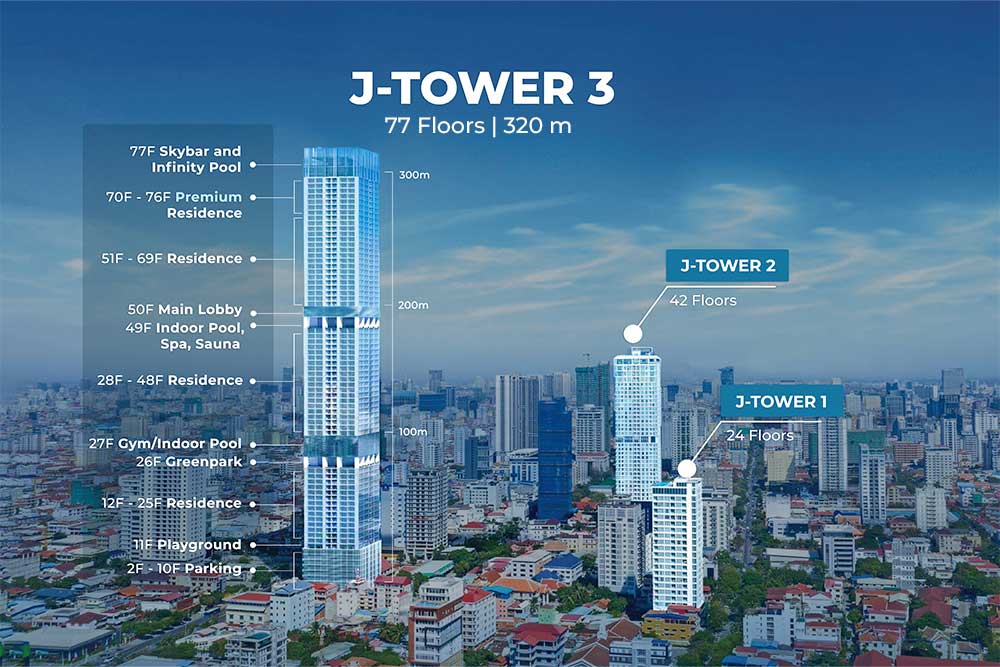
Own a Piece of Cambodia’s Thriving Property Market

Discover curated property listings with IPS—residential, commercial, villas, land—and get expert guidance through every step.
BONUS: FREE Cambodia Buyer’s Guide

Grow Your Business - Advertise in a Prime Spot

High visibility. Targeted audience. Maximum exposure. Rent this space and let your brand shine.

Got Properties to Sell?

Get your properties in front of high-intent investors. Showcase your listings to buyers worldwide.

Exchange Without Borders

From pounds to pesos, yen to dollars. ⚡ Quick. Easy. Secure.

Share Article To:

Facebook
WhatsApp

Compare listings

Compare