Get Your Free 1st Issue
Your Homes Overseas Magazine!

Discover the best destinations, property tips, and lifestyle insights from around the world.

GET YOUR FREE MAGAZINE HERE!


Magazine
Open Magazine

Retiring to France: Complete 2026 Guide

Discover visa requirements, living costs, healthcare, taxes, and top places to settle. This easy 2026 guide to retiring to France shares clear steps, helpful tips, and practical advice.

Many people dream about retiring to France, but you must plan before you move. You need a long-stay visa called the VLS TS visitor visa. This visa shows that you have enough money to support yourself and that you will not work in the country. You must show proof of income, buy private health insurance, and confirm where you will live. After one year, you apply for a renewable residence permit and continue living there legally.

France offers strong healthcare, safe neighborhoods, and reliable public services. Daily life often feels calm, especially in small towns and rural areas. Many retirees explore buying property abroad so they can own a home near the countryside, mountains, or coast. With clear steps and proper documents, you can make the move simple, organized, and exciting.

Can You Retire to France?

happy couple meeting advisor about retiring to france

Moving to another country sounds exciting, but you must follow the rules and complete paperwork before you can live there full-time.

The Simple Answer

Yes, you can make retiring to France possible if you meet the legal requirements. First, you must apply for the correct visa. Then, you must show that you can support yourself. In other words, France wants to make sure you can live comfortably without needing a job there.

What You Need to Qualify

Before you move forward with retiring to France, you must meet several important conditions. Specifically, you need to:

  • Apply for and receive a long-stay visitor visa before entering France.
  • Show clear proof that your pension, savings, or investments provide a steady income.
  • Confirm that you will not take employment while living in France.
  • Arrange valid private health insurance to cover your medical needs.

Overall, these requirements help ensure that you can live safely, responsibly, and independently.

Long Stay Visa

First of all, you must apply for a long-stay visitor visa in your home country. This visa allows you to live in France for one year. After that, you can renew your permission and continue staying legally.

Proof of Income

Next, the government reviews your financial documents. They want to see a stable income from pensions, savings, or investments. This step proves that you can pay for rent, food, and other daily costs while retiring to France.

No Working Allowed

In addition, this visa does not allow you to work in France. Therefore, you must rely only on your retirement income and personal funds.

Healthcare Coverage

Finally, you must purchase private health insurance before you arrive. Later on, you may qualify to join the public healthcare system. As a result, planning ahead makes the entire process smoother and less stressful.

France Retirement Visa Requirements

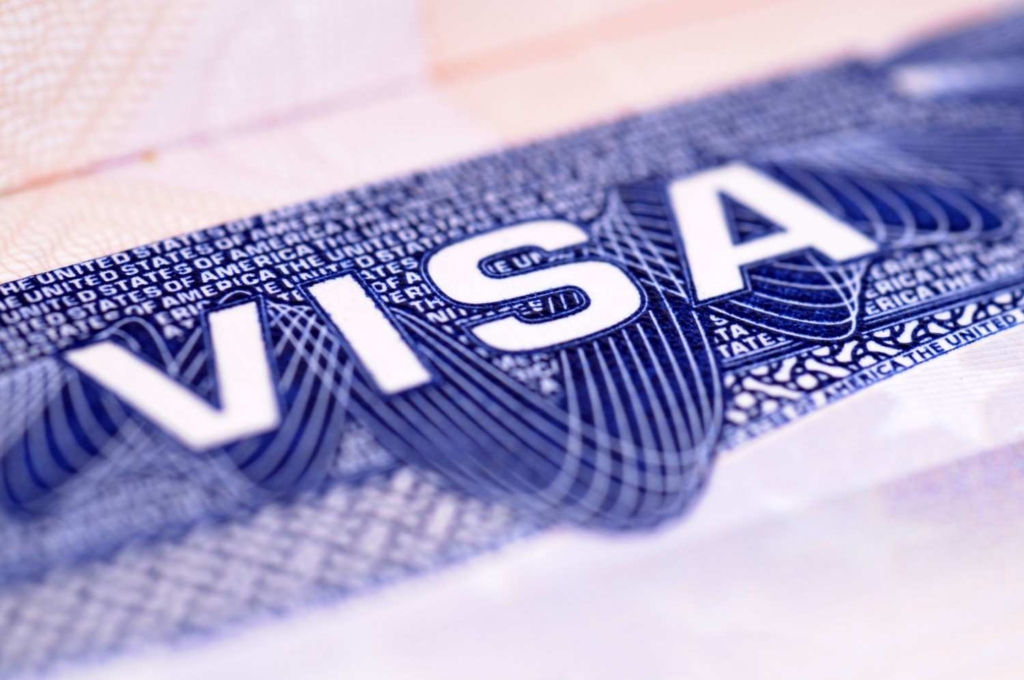
visa document close up for retiring to france process

You must follow clear rules before you move to France. The country does not allow long-term stays without a visa. First, you apply for a long-stay visa. Next, you show that you have enough money to live. You also agree not to work. When you prepare early and follow each step, the process feels simple and clear.

VLS-TS Visitor Visa Explained

The VLS-TS visitor visa lets you live in France for more than 90 days. In fact, it is the main visa used for retiring to France. This visa allows you to stay for one full year.

To qualify, you must show steady income. You must promise not to work. In addition, you must buy private health insurance. You must also show where you plan to live. Together, these steps prove that you can support yourself.

After one year, you can apply for a residence permit called a Carte de Séjour. As a result, you can renew your stay each year. Many people follow this same path when retiring to France.

Income Requirements

France checks your finances carefully before approval. The government wants proof that you can pay for housing, food, and daily needs.

First, you must meet a minimum income level. This amount should match or exceed the French minimum wage. Next, your income must be passive. Passive income means money you receive without working.

For example, passive income can include:

  • Pension payments
  • Social security benefits
  • Investment income
  • Rental income

Regular monthly payments make your case stronger. Clear bank records also help. Therefore, strong financial proof makes retiring to France much easier.

Required Documents

You must submit several documents with your visa application. These papers prove your identity and show how you plan to live in France. In addition, they confirm that you meet all legal requirements.

You will need:

  • A valid passport
  • Proof of income
  • Private health insurance
  • Proof of accommodation
  • A clean criminal record certificate

Furthermore, understanding the real estate market can help you choose the right place to live before you sign a lease or buy a home. When you gather your documents early and plan carefully, the process of retiring to France feels organized and manageable.

How Much Money Do You Need to Retire in France?

Before you move to another country, you must understand how much money you need each month. Careful planning helps you avoid stress later. If you are thinking about retiring to France, most people spend around €2,200 to €2,600 per month. However, this amount can change depending on where you live and how you choose to spend your money. For example, big cities usually cost more, while small towns often cost less. Because of this, your total budget may look very different from someone else’s.

Monthly Living Costs

In general, monthly costs include rent, food, utilities, transportation, and health insurance. Cities like Paris often have higher prices for restaurants, housing, and daily needs. On the other hand, rural areas usually offer lower rent and cheaper groceries, although you may need a car, which adds fuel and insurance costs. Therefore, when planning to retire to France, it is smart to compare city life with countryside life so you can choose what fits your budget best.

Housing Costs

Housing is usually the largest expense, so you must decide whether to rent or buy. Renting gives you flexibility because you can move more easily if you change your mind. Buying, however, gives you stability, but you must also pay taxes, maintenance, and legal fees. For this reason, many retirees seek legal advice for buying a property before signing contracts. In addition, understanding the real estate market helps you avoid overpaying and choose the right area. Paris homes cost much more than homes in the countryside, so your location will greatly affect your total budget while retiring to France.

Budget Breakdown Table

Below is a simple example of a monthly budget for one person:

Expense Category

Estimated Monthly Cost (€)

Rent (outside Paris)

800 – 1,200

Groceries

300 – 400

Utilities

100 – 200

Health Insurance

100 – 250

Transportation

50 – 150

Leisure & Extras

200 – 400

Total Estimate

2,200 – 2,600

This table shows a simple guide, but your personal lifestyle will change the numbers. With smart planning and clear budgeting, retiring to France can feel safe, organized, and achievable.

Healthcare in France for Retirees

healthcare visit as part of planning for retiring to france

Healthcare is very important when you move to a new country. You must understand how doctors, hospitals, and insurance work before you relocate.

When planning to retire to France, you need a clear healthcare plan. France has one of the best healthcare systems in the world. However, you cannot just arrive and receive free care right away. First, you must follow certain steps to make sure you are covered.

Private Insurance at the Beginning

At the start, you must buy private health insurance before you move. This insurance covers doctor visits, hospital stays, and emergencies during your first months in France. The government requires this because it wants to make sure you can pay for your medical care. So, before retiring to France, you must include health insurance in your budget planning.

PUMA After Three Months

After living in France for about three months, you may apply for the public healthcare system called PUMA. PUMA allows legal residents to access state healthcare coverage. Once approved, the system helps pay a large part of your medical costs. You may still pay a small portion, but the government covers most of it.

Quality of the French Healthcare System

France is known for excellent doctors, modern hospitals, and strong medical training. Many people say the care feels organized and professional. In fact, international rankings often place France near the top for healthcare quality. This strong system is one reason many people consider retiring to France.

Cost Comparison with the US and UK

Healthcare in France usually costs less than in the United States. In the US, medical bills can be very high, even with insurance. In contrast, France controls prices more carefully. Compared to the UK, France may require small co-payments, but patients often experience shorter wait times for specialists.

Is Healthcare Free in France?

No, healthcare in France is not completely free. However, the government pays a large portion of medical costs through the public system. Patients usually pay a small part, which private insurance can often cover. Therefore, while it is not 100 percent free, healthcare in France is affordable and high-quality for most retirees.

Best Places to Retire in France

Choosing the right international property to live is just as important as getting your visa approved. Each region in France feels different and costs different amounts.

When people think about retiring to France, they often compare cities, towns, weather, and prices. France is often listed among the best countries to live in because it offers good healthcare, safe neighborhoods, and beautiful landscapes. However, the best place for you depends on your budget and lifestyle.

Dordogne

Dordogne is known for green hills, rivers, and quiet villages. Many homes there cost less than homes in big cities, so it is more affordable for retirees. Because of this, many British expats choose to live in Dordogne. The area feels peaceful and friendly, and daily life moves at a slower pace. For many people planning to retire to France, Dordogne offers comfort without very high costs.

Southern France

Southern France has warm weather and sunny beaches near the Mediterranean Sea. The climate feels mild and bright for much of the year. However, property prices in this region are higher, especially near the coast. Cities like Nice and Montpellier attract many international buyers, which pushes prices up. Still, many retirees love the sunshine and relaxed lifestyle while retiring to France in the south.

Brittany

Brittany sits in the northwest part of France and offers cooler weather and beautiful coastlines. Homes in this region often cost less than in southern France. In addition, the area feels calm and less crowded. Some retirees enjoy the cooler climate because summers are not too hot. Therefore, Brittany can be a smart choice for those who want lower living costs.

Occitanie

Occitanie is a large region in southern France with both mountains and beaches. It has a growing expat community, so newcomers can meet other retirees easily. Property prices vary, but many areas remain more affordable than the French Riviera. As more people explore retiring to France, Occitanie continues to attract those who want sunshine without the highest prices.

By comparing regions carefully, you can choose a place that fits your budget, weather preference, and lifestyle goals.

Is Retiring to France Worth It?

Moving to another country is a big choice. You must think about money, comfort, and daily life before deciding.

Many people ask if retiring to France is worth it. The answer depends on your goals. France offers strong benefits, but it also has challenges. When you look at both sides, you can decide more clearly.

The Pros of Retiring to France

France offers excellent healthcare and modern hospitals. In addition, the lifestyle feels relaxed and enjoyable. Many towns are safe and clean. The country also has a rich culture, history, and beautiful scenery. For these reasons, retiring to France attracts many people who want a peaceful and high-quality life.

The Cons of Retiring to France

However, paperwork can feel slow and complicated. Tax rules may also seem confusing, especially if you earn income from another country. In addition, the language barrier can make daily tasks harder at first. Learning French helps you understand how to start a new life in a new country more easily.

Key Takeaways About Retiring to France

Making the move to another country takes planning, patience, and clear information. Many people consider retiring to France because of its healthcare, lifestyle, and safety. However, you must apply for the correct visa, prove a steady income, and prepare for living expenses before you relocate. When you understand the rules and costs ahead of time, the entire process feels more organized and less stressful.

If you still feel unsure, you do not have to handle everything alone. Professional guidance can help you avoid delays and costly mistakes. From visa steps to budgeting and housing choices, the right support makes a big difference. When you feel ready to move forward, contact us, and we will help you plan your next chapter with clarity and confidence.

FAQs

1. Can Americans retire in France?

Yes, Americans can retire in France if they apply for a long-stay visitor visa. You must show proof of income, health insurance, and housing before approval.

2. How much money do I need for France?

Most retirees spend around €2,200 to €2,600 per month. However, your total cost depends on your location, lifestyle, and housing choice.

3. Do I need to speak French to retire in France?

You do not need to be fluent, but learning basic French helps a lot. It makes daily life, paperwork, and doctor visits much easier.

4. Is healthcare free for retirees in France?

Healthcare is not completely free. However, the public system covers most medical costs after you qualify, and private insurance can help with the rest.

5. Can I buy property while retiring to France?

Yes, foreigners can buy property in France. Many retirees choose to rent first, then buy after they understand the area and local market better.

About International Property Alerts


International Property Alerts is a premier global platform connecting real estate investors with handpicked opportunities in emerging and lifestyle-driven markets. Through curated listings, expert guidance, and market insights, we help buyers make confident property decisions worldwide.

Media Contact:

 rentals in the Philippines

Phone: +4477 1923 8132
📱 WhatsApp: +63927 073 9530
Email:
office@internationalpropertyalerts.com

Related Post

Discover Prime Global Opportunities

Elle Resort & Beach Club – Your Prime Beachfront Investment

Elle Resort & Beach Club offers a rare chance to own property in one of the most desirable coastal locations. With limited units, strong capital growth potential, and unmatched resort facilities, this is your opportunity to secure a beachfront lifestyle with long-term value.

Smarter Property Investments Start Here

Thinking about buying property abroad? Don’t make the move without the right knowledge. Our Free Buyers Guide gives you essential insights on legal steps, taxes, financing, and the best markets worldwide. Trusted by international buyers and investors.

Your Perfect Home Awaits at Sudara Residences

Wake up to bright, spacious living with stunning views and modern comforts. Whether for family living, retirement, or a stylish retreat, Sudara Residences makes your dream home a reality

Own a Piece of Cambodia’s Thriving Property Market

Discover curated property listings with IPS—residential, commercial, villas, land—and get expert guidance through every step.
BONUS: FREE Cambodia Buyer’s Guide

Grow Your Business - Advertise in a Prime Spot

High visibility. Targeted audience. Maximum exposure. Rent this space and let your brand shine.

Got Properties to Sell?

Get your properties in front of high-intent investors. Showcase your listings to buyers worldwide.

Exchange Without Borders

From pounds to pesos, yen to dollars. ⚡ Quick. Easy. Secure.

Share Article To:

Facebook
WhatsApp

Compare listings

Compare