Get Your Free 1st Issue
Your Homes Overseas Magazine!

Discover the best destinations, property tips, and lifestyle insights from around the world.

GET YOUR FREE MAGAZINE HERE!


Magazine
Open Magazine

Explore Unique European Visa Routes to Live Abroad

Dreaming of life in Europe but finding traditional visa routes too difficult? Explore lesser-known European visa programs that offer affordable, flexible options for expats, digital nomads, and retirees ready to start a new chapter abroad.

Dreaming of a European life but finding mainstream visa programs out of reach? Beyond the well-known options, there are lesser-known pathways offering flexibility, affordability, and unique opportunities to establish yourself in Europe, or just outside its borders. From entrepreneur-friendly treaties in the Netherlands to Croatia’s property-based residency, these visas cater to retirees, digital nomads, investors, and adventurers. Some provide a stepping-stone to permanent residency, while others offer renewable short-term stays. Below, we explore five under-the-radar visa routes to unlock your European dream, complete with practical insights and a FAQ to guide your journey. For those considering real estate as part of the move, consult this best international real estate resource for inspiration.

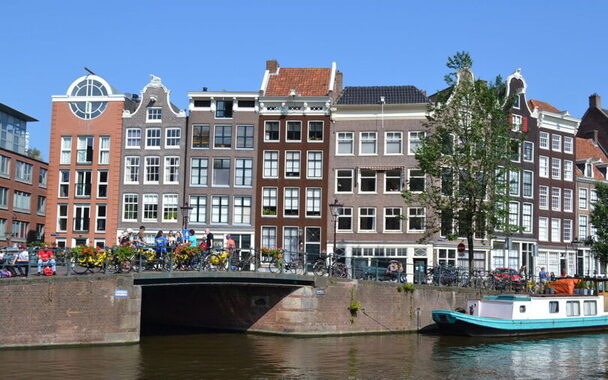
1. Netherlands: Dutch-American Friendship Treaty (DAFT)

europe visa

Who It’s For: U.S. entrepreneurs, freelancers, and digital nomads
Key Requirements: A viable business plan showing profitability within two years, proof of financial means, and health insurance
Why It’s Worth Considering: Immediate residency for Americans with a business idea, plus access to the EU’s economic hub

The Dutch-American Friendship Treaty (DAFT) is a unique opportunity for U.S. citizens to gain residency in the Netherlands by starting a business. Unlike many visa programs, DAFT doesn’t require substantial capital, just a convincing business plan demonstrating potential profitability. For example, I recently assisted a couple running an online medical equipment business to relocate to Amsterdam. Their plan outlined gradual growth, which was enough to secure approval.

DAFT grants immediate residency, allowing you to live and work in the Netherlands while building your venture. The business can be in its early stages, with no immediate income required, as long as it’s sustainable. You’ll need to register with the Dutch Chamber of Commerce and show sufficient funds to support yourself (around €1,500/month). After five years, DAFT holders can apply for permanent residency, granting EU-wide work and residency rights.

Considerations: Spending over six months annually in the Netherlands triggers tax obligations, with rates up to 49.5% on worldwide income. The Netherlands doesn’t permit dual citizenship, so permanent residency may be the end goal for many. The country’s robust economy, English fluency, and cycling-friendly cities like Amsterdam and Utrecht make it a top choice.

2. Albania: Type D Visa (Unique Permit)

albania type d visa

Who It’s For: Retirees, digital nomads, investors, and property owners
Key Requirements: Proof of sufficient income (no fixed threshold, typically €1,000-€1,500/month), accommodation, health insurance, and a clean criminal record
Why It’s Worth Considering: Affordable living, flexible requirements, and potential EU membership on the horizon

Albania, a Balkan gem on the Adriatic, offers a versatile Type D visa (Unique Permit) for those seeking long-term residency. Introduced in 2022, it caters to digital nomads, retirees, investors, or property owners who can support themselves. Albania’s history as a Communist outlier and its recovery from the Balkan wars have kept it off the tourist radar, making it a budget-friendly alternative to EU countries.

The visa has no strict income minimum, but applicants must prove financial self-sufficiency, typically through bank statements or income records. A local bank account, housing contract, and health insurance are also required. The permit is valid for one year, renewable up to five times, with a pathway to permanent residency after five years. Albania’s cost of living is low, think $300-$400/month for a city-center apartment in Tirana or Saranda.

Considerations: Albania isn’t an EU member, so the visa doesn’t grant Schengen travel rights, though EU membership is under consideration for late 2025. After six months, tax residency applies, with rates of 15% on income up to €1,300/month and 23% above that. The country’s beaches, mountains, and vibrant culture make it a hidden gem for expats.

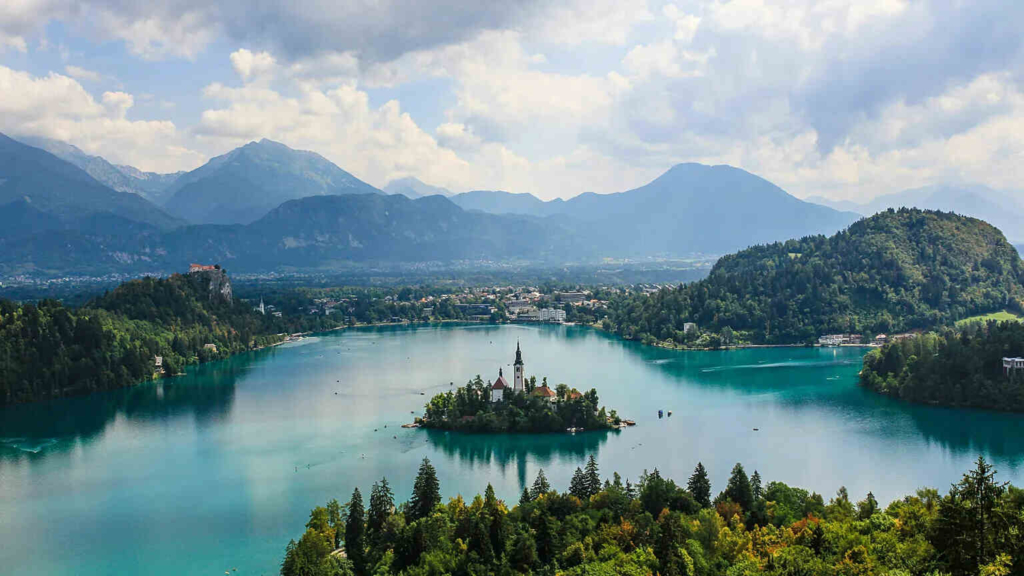
3. Slovenia: Digital Nomad Visa

slovenia digital nomad visa

Who It’s For: Remote workers earning income from outside Slovenia
Key Requirements: €3,200/month income for six months, proof of accommodation, health insurance, and a clean criminal record
Why It’s Worth Considering: Affordable EU and Schengen member with Alpine charm and modern infrastructure

Slovenia, a compact nation at the crossroads of the Balkans, Italy, and Central Europe, launches its digital nomad visa on November 1, 2025. This program targets remote workers employed by non-Slovenian companies or freelancers with foreign clients. Applicants need to show a stable income of €3,200/month, accommodation (rented or owned), and valid health insurance.

Slovenia’s appeal lies in its blend of affordability (50% lower cost of living than the U.S.) and quality of life. Cities like Ljubljana offer fiber-optic internet, coworking spaces, and proximity to Alpine lakes and ski resorts. The visa allows Schengen travel, making weekend trips to Italy or Austria easy. Unlike other digital nomad visas, foreign income is tax-exempt, a significant perk. 

Considerations: The visa requires a six-month absence before renewal, limiting its use for permanent residency. Slovenia’s small size, safety, and natural beauty, think Lake Bled and Triglav National Park, make it ideal for those seeking a quieter European base.

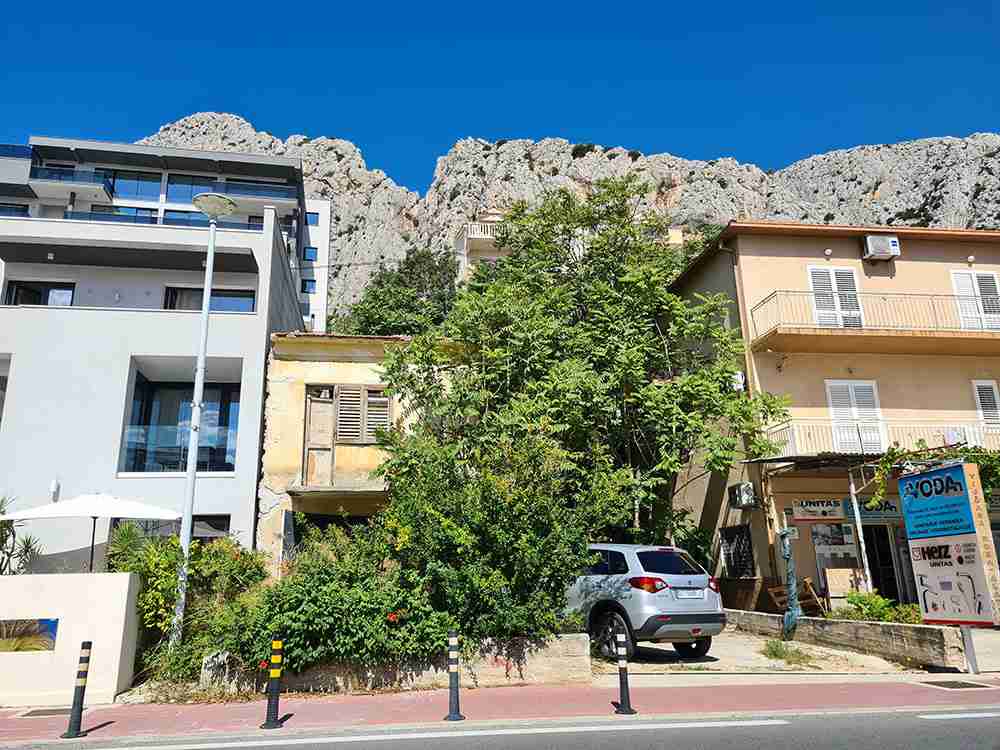
4. Croatia: Long-Stay “Apartment Visa”

croatia visa

Who It’s For: Property owners or long-term renters, including retirees and digital nomads
Key Requirements: Proof of property ownership or a 12-month lease, sufficient funds (around €2,500/month), and health insurance
Why It’s Worth Considering: Simple path to EU and Schengen residency with Croatia’s stunning Adriatic lifestyle

Croatia’s “apartment visa” is a lesser-known gem for non-EU citizens seeking residency. By owning property or securing a long-term rental lease, applicants can obtain a one-year renewable permit, extended to 18 months as of August 2025. The process is straightforward: demonstrate financial stability, provide proof of accommodation, and secure health insurance. No high investment thresholds are required, unlike many EU golden visas.

This visa grants access to the Schengen zone and Croatia’s Dalmatian coast, with historic cities like Split and Dubrovnik. Digital nomads benefit from tax exemptions on foreign income, and the cost of living is moderate, around $1,500-$2,000/month for a single person. I’ve seen clients secure this visa with a modest apartment purchase or a year-long lease in Zagreb.

Considerations: The visa doesn’t lead directly to permanent residency or citizenship, but renewals are possible. Croatia’s vibrant expat communities and affordable lifestyle make it a top pick for Mediterranean living.

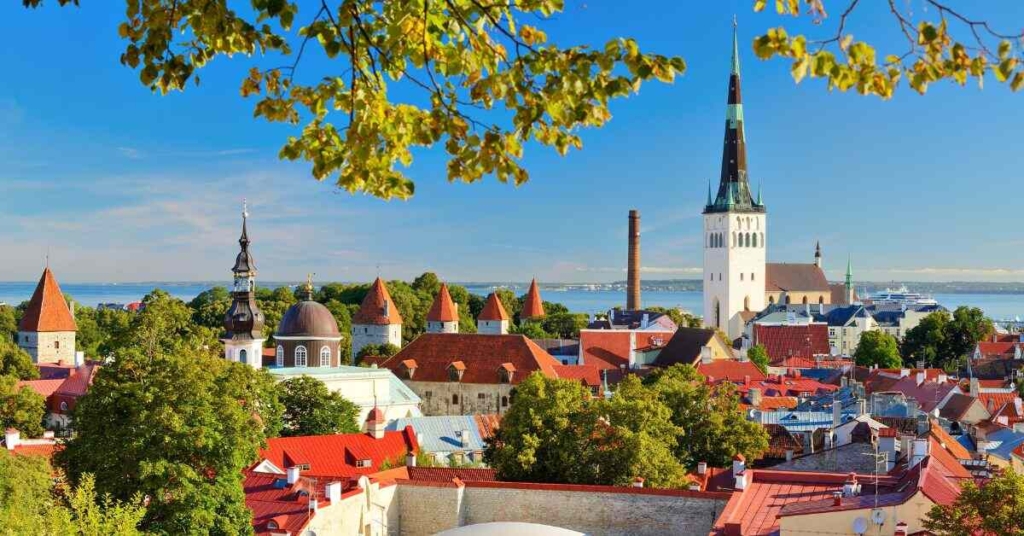
5. Estonia: Digital Nomad Visa

estonia digital nomad visa

Who It’s For: Remote workers and freelancers with foreign employers or clients
Key Requirements: €4,500/month income for six months, accommodation, health insurance, and a clean criminal record
Why It’s Worth Considering: Tech-savvy, safe, and affordable EU hub with a unique northern climate

Estonia, a Baltic leader in digital innovation, pioneered the world’s first digital nomad visa in 2020. Available as a Type C (90-day) or Type D (one-year) visa, it suits remote workers earning income outside Estonia. Applicants need €4,500/month, verified through bank statements, plus proof of accommodation and insurance. Estonia’s e-residency program, allowing remote business setup, complements the visa but doesn’t grant residency.

Known as Europe’s “Silicon Valley,” Estonia offers fast internet, a low crime rate, and a cost of living 30-40% below Western Europe. Tallinn’s medieval charm and modern coworking spaces attract digital nomads seeking an alternative to Mediterranean hubs. The visa allows Schengen travel, ideal for exploring nearby Finland or Latvia.

Considerations: Stays over six months trigger a 20% flat tax on worldwide income. The visa is non-renewable without a six-month exit, limiting long-term residency prospects. Estonia’s clean air, tech infrastructure, and northern allure make it a standout choice.

Why These Visas Matter

These visa routes offer diverse paths to European residency, from entrepreneurial ventures in the Netherlands to affordable coastal living in Croatia or Albania. Most allow family reunification, except Albania, which still permits immediate family to join. Whether you seek sun-soaked Adriatic days, Alpine adventures, or a tech-forward lifestyle, these programs bypass the high costs and rigid requirements of mainstream visas.

Eligibility rules evolve, so check official government websites or consult visa experts before applying. We connect you with trusted advisors to navigate the process. Contact us for a personalized consultation to find the right visa for your European dream.

FAQ: Navigating Lesser-Known European Visas

How long do these visa applications take to process?

Processing times vary: DAFT (Netherlands) takes 2-3 months; Albania’s Type D, 15-30 days; Slovenia and Estonia, 1-2 months; Croatia’s apartment visa, 6-9 months due to bureaucracy. Start early and consider a visa consultant for complex cases.

Can I travel freely in the Schengen Area with these visas?

A: Yes, for Netherlands, Slovenia, Croatia, and Estonia, as they’re Schengen members, allowing 90 days of travel within 180 days across 27 countries. Albania’s visa doesn’t grant Schengen access, but EU membership may change this by late 2025.

Are these visas renewable or a path to permanent residency?

DAFT (Netherlands) leads to permanent residency after five years. Albania’s Type D is renewable for up to five years, with a permanent residency option. Croatia’s apartment visa is renewable but not a direct citizenship path. Slovenia and Estonia require a six-month exit before renewal, limiting long-term stays.

What’s the cost of living like in these countries?

Albania is the cheapest, with $1,000-$1,500/month for a single person. Croatia and Slovenia average $1,500-$2,000. Estonia is $1,200-$1,800, while the Netherlands is pricier at $2,500-$3,500. Costs depend on lifestyle and location (e.g., cities vs. rural areas).

Do I need to speak the local language?

English is widely spoken in the Netherlands and Estonia, especially among younger people. In Croatia and Slovenia, basic local language skills help with integration, though English suffices in urban areas. Albania requires minimal Albanian, but learning basics improves daily life.

Can my family join me?

Yes, under EU family reunification rules, spouses and dependents can join in the Netherlands, Slovenia, Croatia, and Estonia. Albania allows immediate family but isn’t bound by EU rules. Check specific requirements for each country.

Are there tax benefits for these visas?

Croatia and Slovenia exempt foreign income from local taxes. Estonia applies a 20% flat tax after six months. Albania taxes income after six months (15-23%). The Netherlands has no tax exemptions, with rates up to 49.5%. Consult a tax advisor to navigate double taxation treaties.

How do I apply for these visas?

DAFT requires a Dutch embassy application with a business plan. Albania’s Type D is applied online via the Albanian government portal. Slovenia and Estonia involve online or embassy applications with income proof. Croatia’s apartment visa can be applied for in-country or at a consulate, often with a lease or deed. Always verify with official sources.

About International Property Alerts


International Property Alerts is a premier global platform connecting real estate investors with handpicked opportunities in emerging and lifestyle-driven markets. Through curated listings, expert guidance, and market insights, we help buyers make confident property decisions worldwide.

Media Contact:

 rentals in the Philippines

Phone: +4477 1923 8132
📱 WhatsApp: +63927 073 9530
Email:
office@internationalpropertyalerts.com

Related Post

Discover Prime Global Opportunities

Elle Resort & Beach Club – Your Prime Beachfront Investment

Elle Resort & Beach Club offers a rare chance to own property in one of the most desirable coastal locations. With limited units, strong capital growth potential, and unmatched resort facilities, this is your opportunity to secure a beachfront lifestyle with long-term value.
Smarter Property Investments Start Here

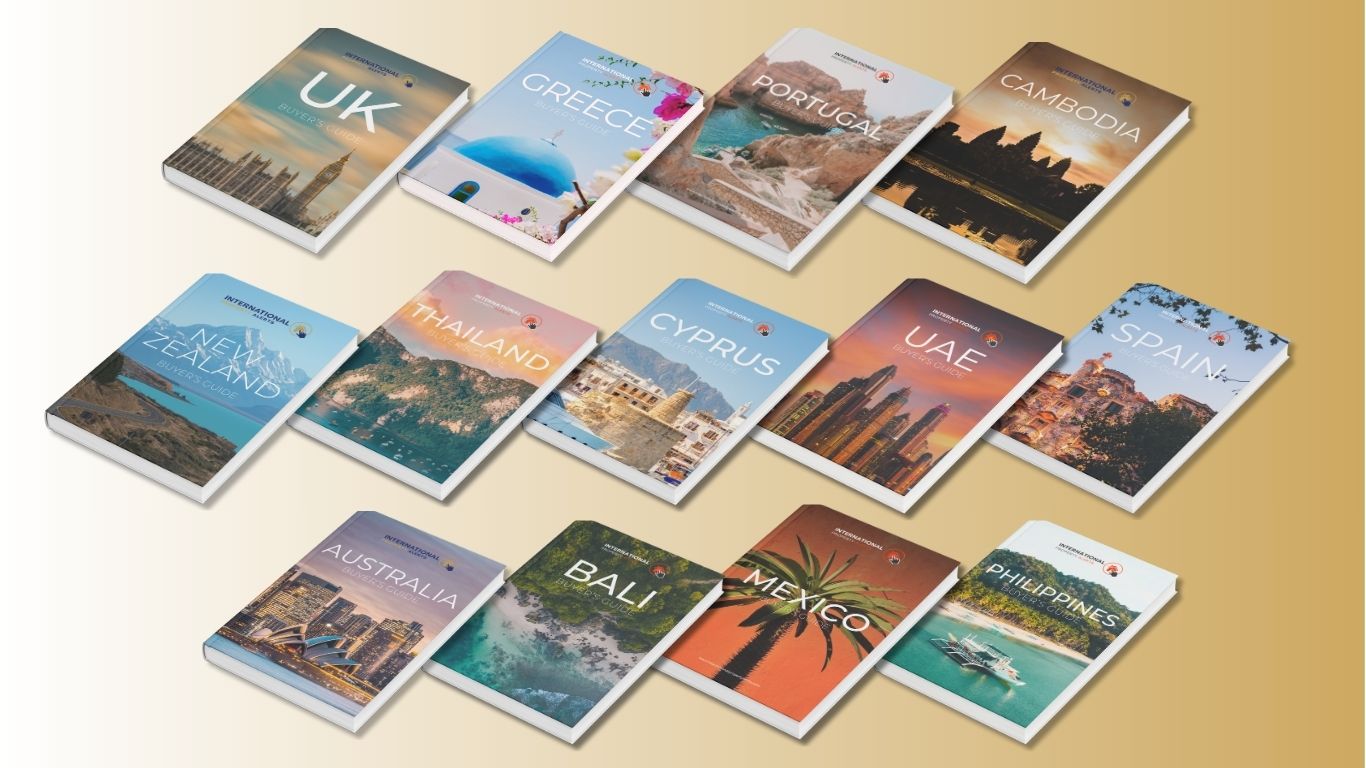
Thinking about buying property abroad? Don’t make the move without the right knowledge. Our Free Buyers Guide gives you essential insights on legal steps, taxes, financing, and the best markets worldwide. Trusted by international buyers and investors.

Your Perfect Home Awaits at Sudara Residences

Wake up to bright, spacious living with stunning views and modern comforts. Whether for family living, retirement, or a stylish retreat, Sudara Residences makes your dream home a reality
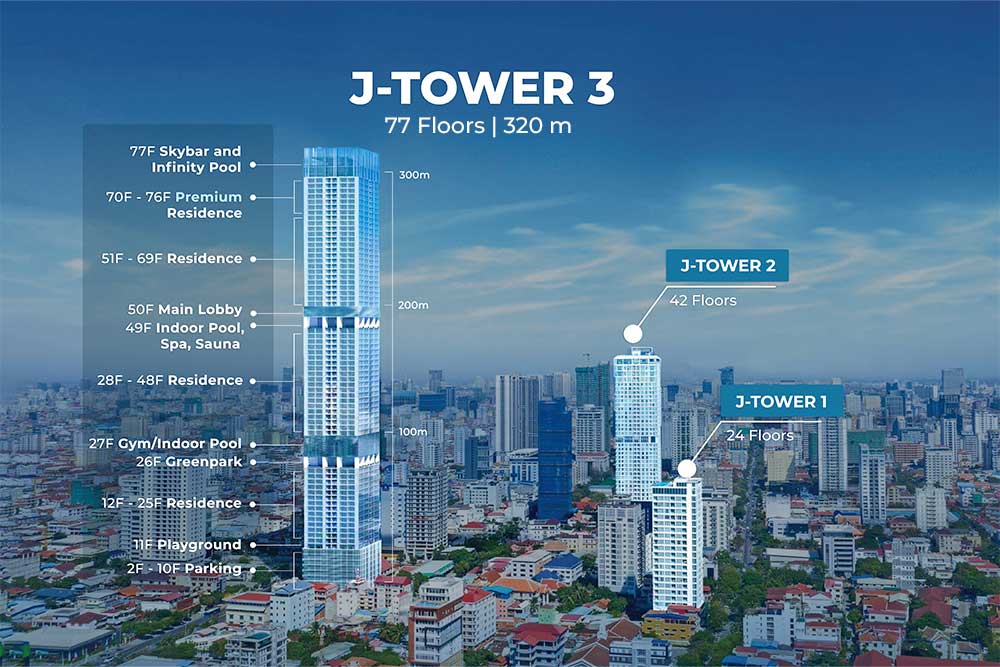
Own a Piece of Cambodia’s Thriving Property Market

Discover curated property listings with IPS—residential, commercial, villas, land—and get expert guidance through every step.
BONUS: FREE Cambodia Buyer’s Guide

Grow Your Business - Advertise in a Prime Spot

High visibility. Targeted audience. Maximum exposure. Rent this space and let your brand shine.

Got Properties to Sell?

Get your properties in front of high-intent investors. Showcase your listings to buyers worldwide.
Exchange Without Borders

From pounds to pesos, yen to dollars. ⚡ Quick. Easy. Secure.

Share Article To:

Facebook
WhatsApp

Compare listings

Compare